The invisible additive in 70% of supermarket food is quietly reprogramming your gut — and your kids’ too
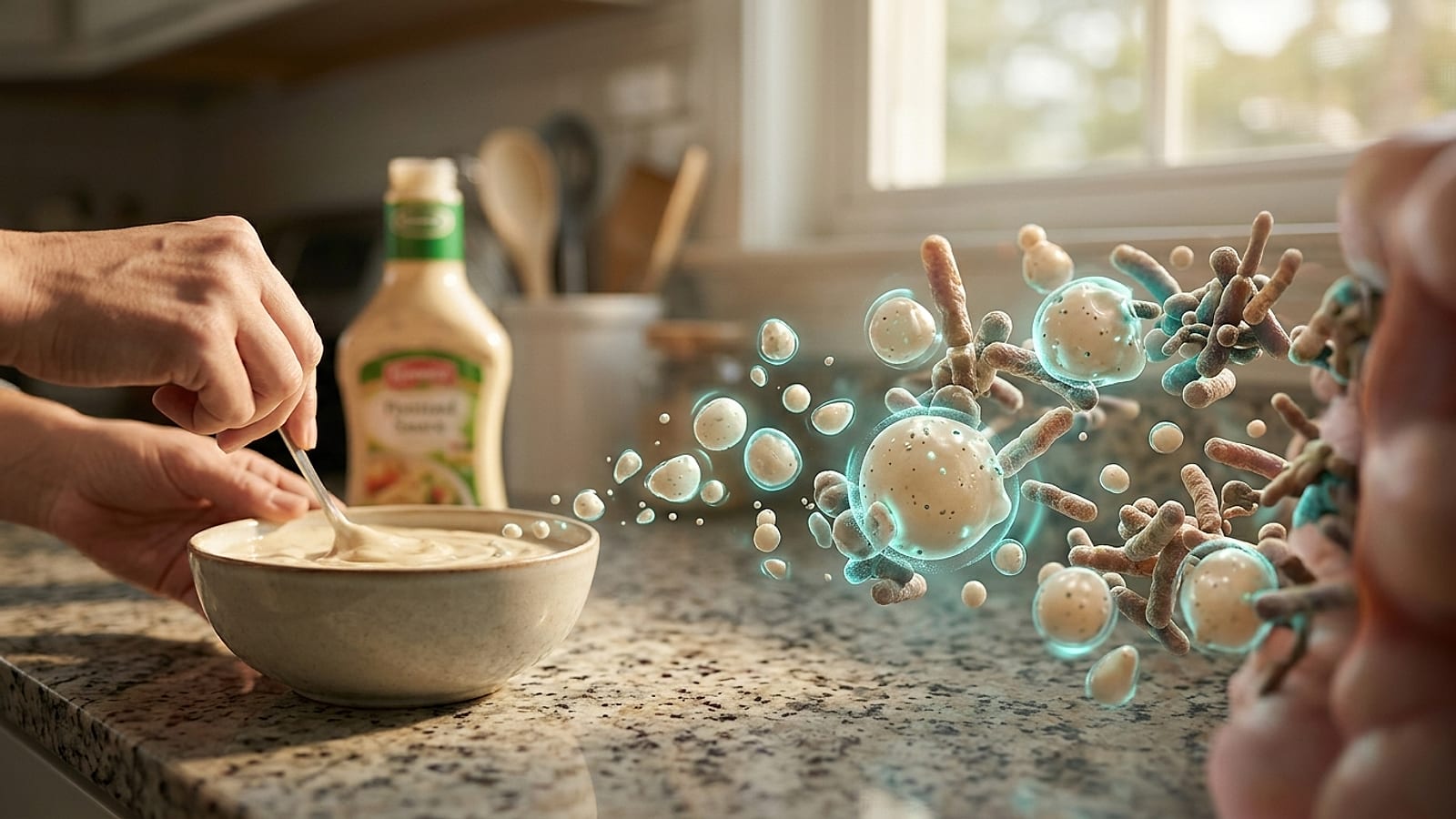
The invisible additive in 70% of supermarket food is quietly reprogramming your gut—and your kids’ too. This is not sensationalism; it is a structural reality of modern food processing. Every time we consume packaged bread, low-fat yogurt, or plant-based milks, we likely ingest dietary emulsifiers—synthetic agents designed to keep oil and water from separating.
While these compounds keep your almond milk smooth, they act like a detergent on your delicate intestinal lining. By the end of this article, you will understand the precise cellular mechanisms of this erosion and learn a targeted 4-week dietary protocol designed to rebuild your protective mucosal barrier and restore the keystone bacterial species that emulsifiers deplete.
Why This Matters Today
Our daily exposure to food additives has quietly reached an all-time high. In modern supermarkets, industrial emulsifiers like carboxymethylcellulose (CMC), polysorbate-80, and various stearoyl lactylates (such as E481 and E482) are nearly impossible to avoid [29448899]. These agents are added to everything from infant formula to organic salad dressings to improve shelf-life and mouthfeel. Epidemiological tracking reveals that these additives are increasingly associated with the global rise in inflammatory bowel diseases, metabolic syndrome, and cardiovascular issues [30484878]. In fact, recent clinical evaluations confirm that the average person consumes multiple grams of these detergents daily, creating a persistent, low-grade chemical challenge to our digestive tract. This is not just about temporary bloating; it is about a fundamental shift in how our bodies process nutrients and defend against systemic inflammation. Furthermore, because these structural changes alter the maternal microbiome, emerging research suggests these disruptions can influence the initial microbial colonization of our children’s developing gut systems. To understand how to reverse this, we must first dissect the physical barrier that keeps these additives from triggering a full-scale immune response.

The Science Behind It
The human gut is lined with a highly specialized mucus layer, predominantly composed of the gel-forming mucin protein MUC2. This bilayer serves as a physical shield, keeping trillions of gut bacteria safely separated from the delicate single-cell layer of your intestinal epithelium. Dietary emulsifiers, by their very chemical nature, are amphiphilic—possessing both hydrophilic and lipophilic properties. When these molecules reach the colon, they act much like mild detergents. They solubilize the protective lipids and proteins that constitute the mucus barrier, thinning this defense and allowing bacteria to migrate directly to the epithelial surface [33752754]. This direct bacterial contact triggers inflammatory cascades and sets the stage for chronic tissue irritation. This process disrupts the delicate cellular equilibrium, making the host vulnerable to environmental antigens and food-borne pathogens that would otherwise be harmlessly swept away.
Beyond physical erosion, emulsifiers fundamentally alter the composition of our resident microbes. Exposure to common additives like carboxymethylcellulose (CMC) induces profound gut dysbiosis, significantly reducing the populations of beneficial bacteria that ferment dietary fiber into short-chain fatty acids (SCFAs) like butyrate [40128912]. SCFAs are the primary fuel source for our colonocytes and are critical for maintaining tight junction integrity. When SCFA production drops, the gut barrier weakens, leading to increased intestinal permeability and systemic inflammatory responses [40128912]. This depletion of key functional microbes not only impairs localized gut health but also compromises metabolic homeostasis, contributing to insulin resistance and altered lipid processing pathways.

One of the most devastating casualties of chronic emulsifier ingestion is the keystone bacterium Akkermansia muciniphila. This microbe resides within the outer mucus layer, safely grazing on mucins and stimulating the body to produce fresh, healthy mucus in a beneficial feedback loop. Emulsifiers disrupt this delicate niche, rendering the environment hostile and causing Akkermansia levels to plummet [36646449]. Because a mother’s microbiome serves as the primary inoculant for her infant’s developing tract, this induced dysbiosis can be transmitted vertically, priming the next generation’s immune system toward hyper-reactivity. Fortunately, by removing these synthetic detergents and supplying targeted raw substrates, evidence suggests we can support restoration of this vital barrier. Restoring Akkermansia through specific dietary strategies is now recognized as a primary clinical target for reversing emulsifier-induced metabolic and mucosal damage [36646449].
The Complete Protocol
Start with the food source
- Consume 200 ml of slow-simmered chicken or bone broth daily. Drink this warm, on an empty stomach, exactly 15 minutes before your first meal to provide the essential amino acids (proline, glycine, and threonine) required for mucin synthesis.
- Incorporate 150 grams of cooked stewed apples daily. Stew the apples with 1 teaspoon of ground cinnamon and 50 ml of water for 15 minutes until soft. The soluble pectin serves as a primary fuel source for short-chain fatty acid-producing bacteria, which actively rebuilds the mucosal environment.
Move to the concentrated natural form
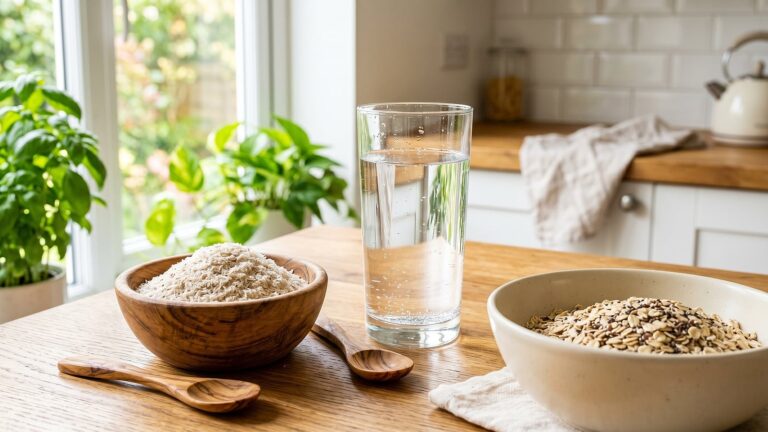
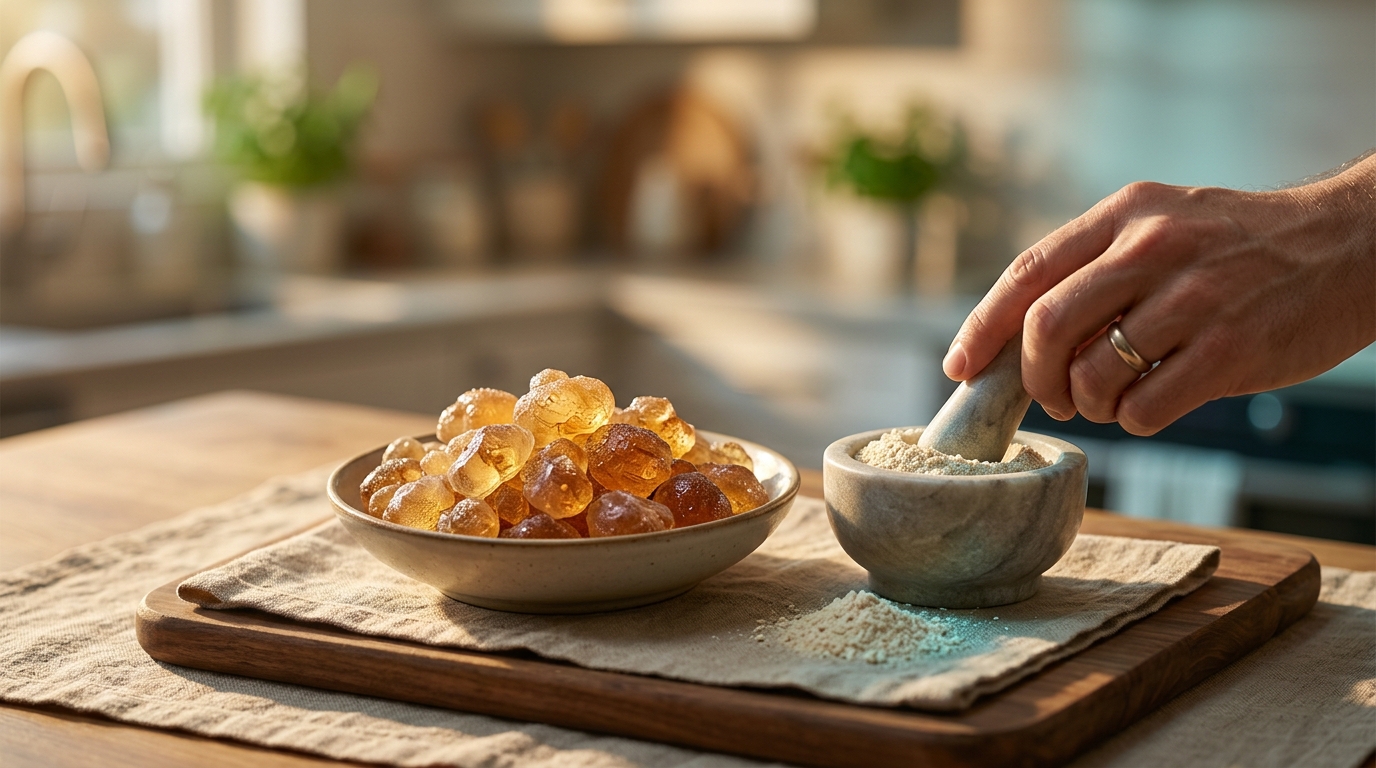
- Mix 1.5 grams (approximately 1/2 teaspoon) of pure slippery elm bark powder in 100 ml of warm water. Stir vigorously and consume immediately 30 minutes before dinner. This creates a viscous, soothing mucilage that physically coats the intestinal tract, acting as a temporary shield while your native mucus layer regenerates.
Optional: the supplement form
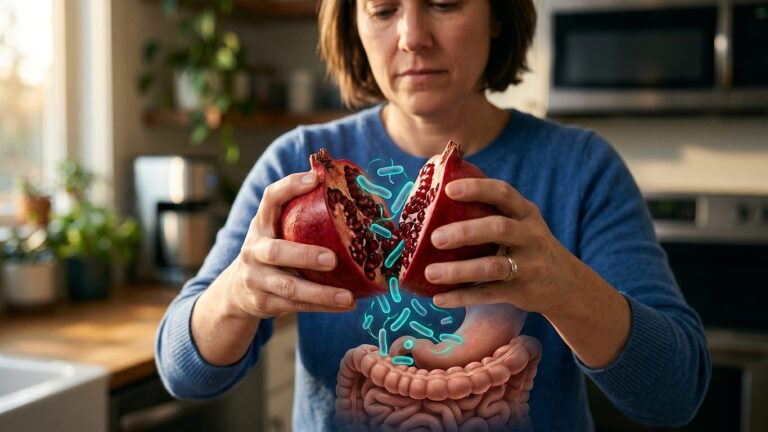
- Take a standardized polyphenol extract containing 500 mg of pomegranate extract (standardized to 40% ellagitannins) daily with your morning meal to selectively feed and support restoration of your Akkermansia population [36646449].
- Take 5,000 IU of Vitamin D3 daily with a fat-containing meal to support tight junction protein expression and modulate mucosal immunity.
When NOT to do this
Do not initiate this high-pectin and slippery elm protocol during an active, acute flare-up of Crohn’s disease or ulcerative colitis without direct medical supervision. Additionally, individuals with severe small intestinal bacterial overgrowth (SIBO) should avoid slippery elm powder until resolved, as prebiotic mucilages can ferment in the small intestine, causing severe distension.
Frequently Asked Questions
Can I use standard licorice root instead of deglycyrrhizinated licorice (DGL)?
No, standard licorice contains glycyrrhizin, which can elevate blood pressure and cause potassium depletion when used daily. DGL has had this compound removed, making it safe for daily use throughout the 4-week protocol without risking cardiovascular side effects.
What if I accidentally consume an emulsifier on day 10—do I need to restart the entire 4-week protocol?
No, do not restart. A single exposure will not completely reset your progress. Simply resume the protocol immediately. The goal is to reduce the cumulative, daily load of these detergents so your mucus layer has the physical space and raw materials to rebuild.
How does slippery elm bark compare to over-the-counter stomach coaters like bismuth subsalicylate?
While bismuth subsalicylate provides temporary relief by coating the stomach, it does not nourish the microbiome. Slippery elm bark acts as both a soothing physical mucilage and a prebiotic food source for beneficial bacteria, encouraging natural mucus production rather than just masking symptoms.
Why does the protocol mention Akkermansia if I cannot buy it as a standard probiotic?
While Akkermansia is available as a specialized supplement, feeding your native strains is often more effective. Polyphenols from pomegranate and green tea extracts, along with pectin from stewed apples, act as targeted prebiotics that selectively fuel and multiply your body’s existing Akkermansia population [36646449].
Is the supplement form necessary if I eat the stewed apples and bone broth daily?
The supplement form is optional but highly recommended if you have chronic digestive issues or have consumed a high-emulsifier diet for years. The concentrated polyphenols provide a therapeutic dose that accelerates the recovery of key microbial species far faster than food sources alone.
Verified Sources
- Review article: emulsifiers in the food supply and implications for gastrointestinal disease. — Alimentary pharmacology & therapeutics, 2019 (PMID 30484878)
- Dietary exposure of the Belgian population to emulsifiers E481 (sodium stearoyl-2-lactylate) and E482 (calcium stearoyl-2-lactylate). — Food additives & contaminants. Part A, Chemistry, analysis, control, exposure & risk assessment, 2018 (PMID 29448899)
- Dietary emulsifier carboxymethylcellulose-induced gut dysbiosis and SCFA reduction aggravate acute pancreatitis through classical monocyte activation. — Microbiome, 2025 (PMID 40128912)
- Direct impact of commonly used dietary emulsifiers on human gut microbiota. — Microbiome, 2021 (PMID 33752754)
- Akkermansia muciniphila counteracts the deleterious effects of dietary emulsifiers on microbiota and host metabolism. — Gut, 2023 (PMID 36646449)
Bloated, tired, foggy, or fighting cravings?
Get The Gut Reset free — a science-backed guide to go from “off” to clear, light and energized. Drop your email and we’ll send it straight to your inbox.
No spam. Unsubscribe anytime. Educational content, not medical advice.