Your grandmother’s daily spoon of fermented cabbage did something for her gut that modern microbiome science is only now able to explain
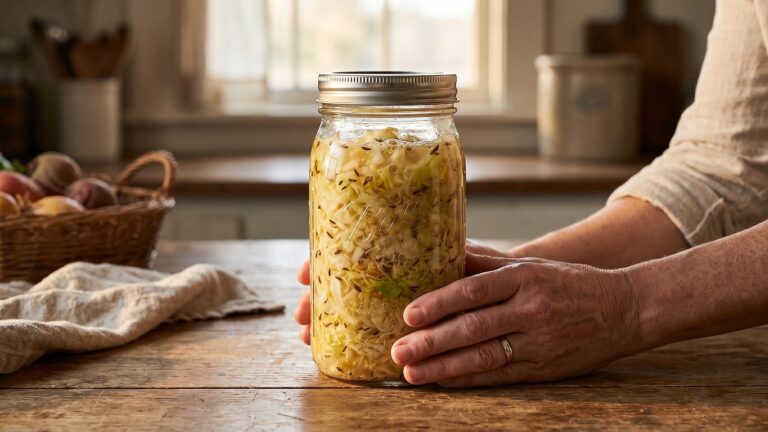
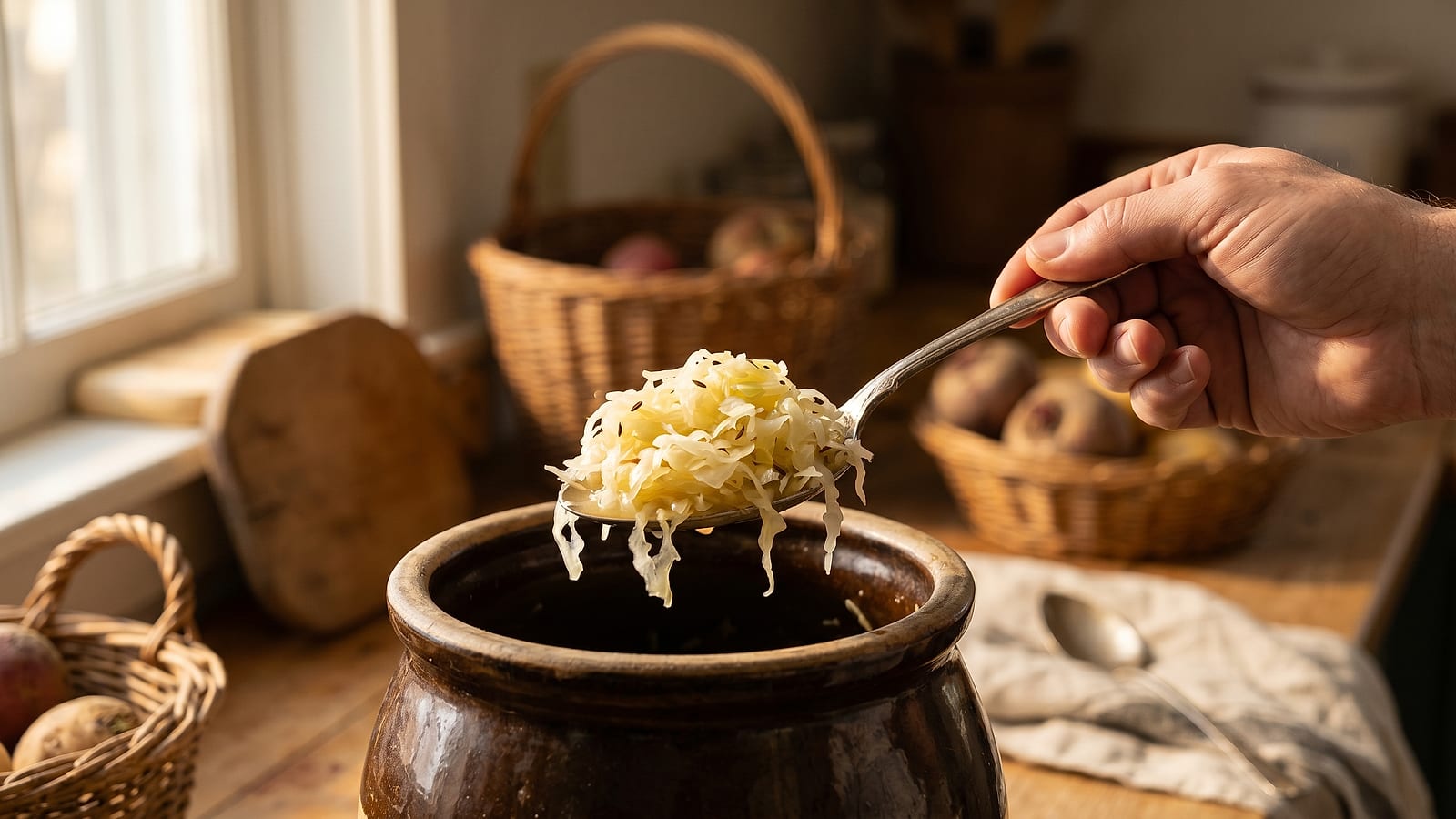
My grandmother’s cellar in late autumn always smelled of earth, cold stone, and the sharp, sour tang of fermenting cabbage. She kept a massive stoneware crock tucked in the darkest corner, weighted down with a scrubbed river stone. She was fermenting raw cabbage into a winter staple. She didn’t know anything about gene sequencing or bacterial classifications, but she knew that a daily forkful kept our winter sluggishness away and kept our digestion running smoothly.
Modern industrial food traded this slow, living ritual for pasteurized shelf life. That left our guts more open to chronic inflammation and low energy. By the end of this article, you will know the exact 4-week sauerkraut protocol that modern clinical trials use to rebuild the variety of helpful bacteria in your gut, and to ease chronic bloating — without expensive synthetic pills.
Why This Matters Today
Our relationship with microbes has become increasingly sterile. We sanitized our pantries to maximize shelf life, and somehow ended up with more chronic digestive misery than ever before. Our ancestors didn’t need expensive probiotic pills — they had the cellar crock.
Today, millions of people deal with sluggish digestion, food sensitivities, and persistent bloating. A landmark pilot study showed that sauerkraut is linked to improved symptoms in IBS (irritable bowel syndrome) patients, whether the product is pasteurized or raw [30256365]. This suggests the benefits go far deeper than just swallowing live bacteria. The fermentation process itself creates stable, protective compounds that may help soothe the gut lining.
When we swapped the slow crock for industrialized, vinegar-based quick pickles, we lost a key partner in our metabolism. In our rush to sterilize our environment, we accidentally sterilized our inner ecosystem. The loss of variety in gut bacteria is now linked to a range of metabolic and immune problems. Recent clinical data confirms that eating this fermented staple regularly can directly change the mix of bacteria living in your gut [39940045]. By bringing these ancient fermented foods back, we can systematically rebuild the microbial foundation our ancestors took for granted.
Let’s look at what actually happens inside your digestive tract when you swallow that sour bite.
The Science Behind It
Sauerkraut is a living pharmacy. When raw cabbage is packed with salt, a natural sequence of lactic acid bacteria (helpful microbes that produce acid as they feed) gets to work. First, a bacterium called Leuconostoc mesenteroides takes over and lowers the acidity. Then, a tougher acid-tolerant species called Lactobacillus plantarum takes its place.
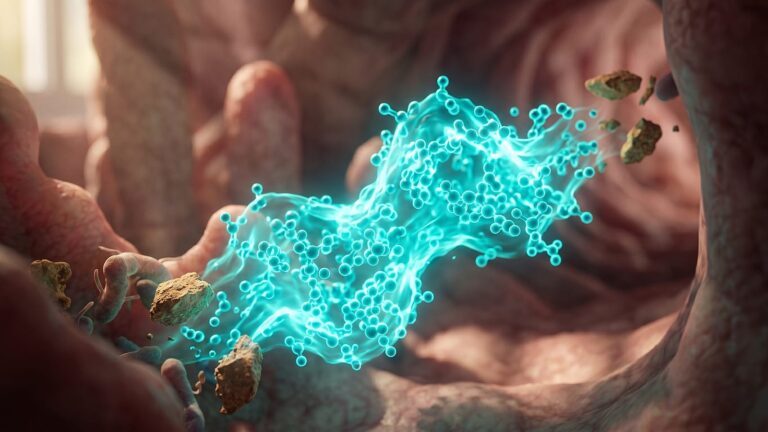
These microbes are highly resilient. They don’t just sit there. They break down the cabbage fibers and produce a range of useful byproducts called postbiotics (beneficial compounds made by bacteria). These include lactic acid, acetate, and bacteriocins — natural antimicrobial compounds that suppress harmful bacteria like E. coli. Evidence also suggests that this microbial pre-digestion during fermentation may make nutrients easier for your body to absorb than they would be from raw vegetables alone.
But what happens when these microbes enter your gut? Many people assume the foreign bacteria must permanently take up residence in your colon to do any good. That is a myth. They act as transient teachers. They train your resident immune cells as they pass through. A rigorous 2025 crossover trial (where participants tried both the treatment and a control in sequence) confirmed that sauerkraut consumption is linked to direct restructuring of the gut’s bacterial community by enriching key metabolic pathways [39940045]. The fermented cabbage may help feed your native keystone bacterial species while the live bacteria actively help balance your immune system. It is a dual-action delivery system.
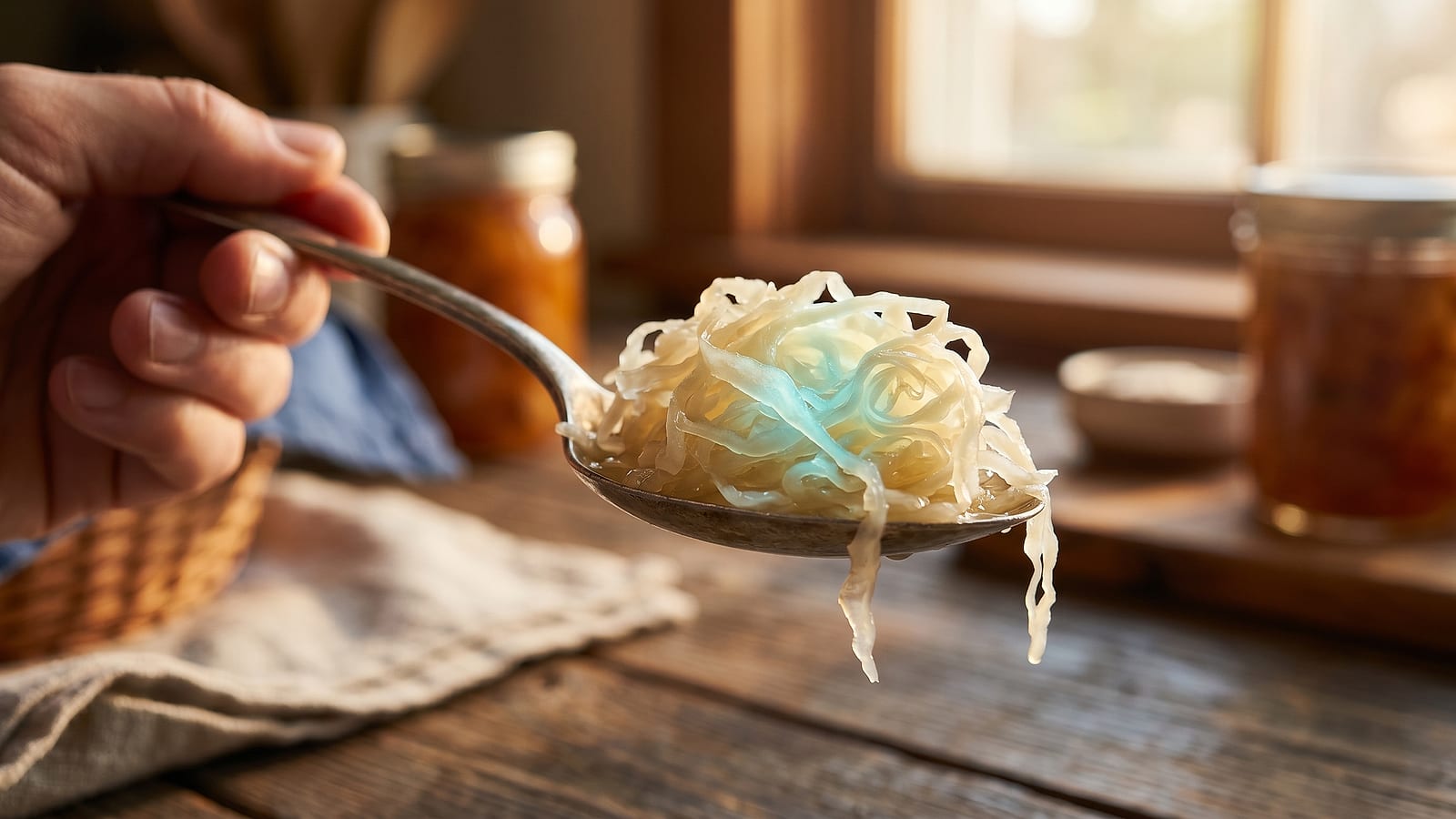
This remodeling happens much faster than most clinicians expect. You do not need to eat fermented foods for months to see a measurable shift. A 2024 study on highly trained athletes showed that short-term sauerkraut supplementation led to favorable changes in gut bacterial composition within a brief intervention window [39771042]. It took just a few weeks. This suggests that even a short dietary change may help rapidly shift a sluggish or stressed gut into a more active, protective state. If it works for elite athletes under high physical stress, it may also support everyday digestion.
The compounds produced during fermentation may also help reduce the overall burden on your body. Lowering the acidity inside the colon limits the growth of harmful bacteria that produce toxic waste products. This metabolic shift is notable. It mirrors findings from trials on other traditional fermented foods, which show a clear reduction in harmful waste compounds in stool and improved bowel transit times [40460378]. This more acidic environment also supports the vagus nerve — the main communication line between your gut and your brain — which may help regulate how your stomach moves food along and reduce gut pain sensitivity. The result is a lighter load on your body, cleaner blood chemistry, and a more resilient gut lining that may help keep harmful substances out of your bloodstream.
The Complete Protocol
Start with the food source
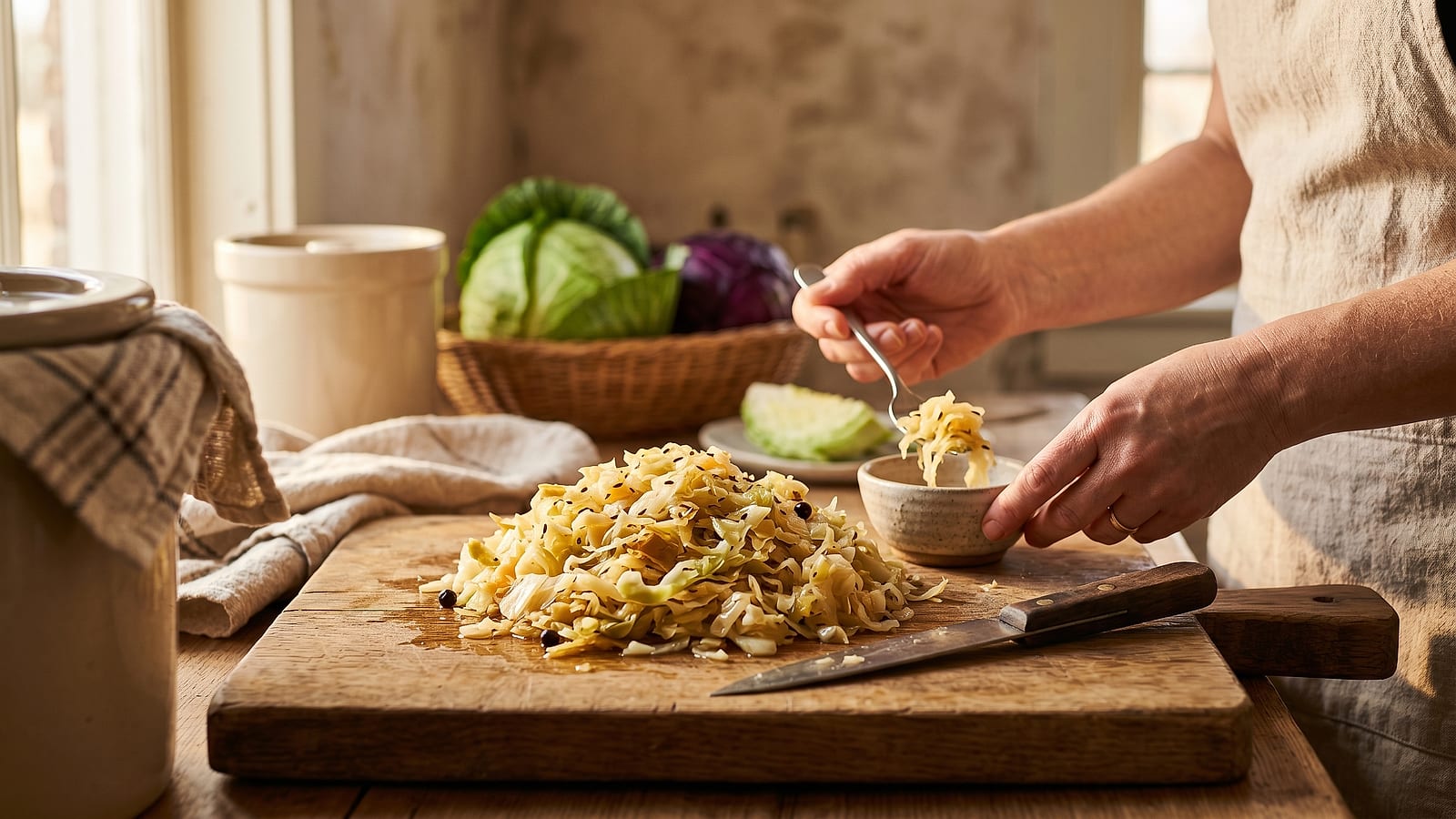
To rebuild your gut’s bacterial community, you need to use raw, unpasteurized sauerkraut. Unpasteurized sauerkraut delivers live, active cultures directly to the colon. Look for jars in the refrigerated section labeled “raw” or “fermented.” Avoid shelf-stable cans — heat pasteurization kills the beneficial microbes.
- Starting dose: Begin with exactly 15 grams (1 level tablespoon) of raw sauerkraut per day.
- Timing: Eat this dose within 10 minutes of starting your largest meal, preferably dinner.
- Increasing the dose: After 7 days, increase to 30 grams (2 tablespoons) twice daily, taken with lunch and dinner. Continue this for 3 weeks.
- Preparation rule: Never heat the sauerkraut. High temperatures destroy the live enzymes and beneficial bacteria. Eat it cold or at room temperature. Keep the jar tightly sealed and submerged in its own brine to prevent surface mold from forming.
Move to the concentrated natural form
For a faster shift in your gut environment, use the highly concentrated raw fermentation brine left at the bottom of the jar.
- Target dose: Measure exactly 15 milliliters (1 tablespoon) of raw sauerkraut brine.
- Timing: Drink this on an empty stomach, 20 minutes before your first meal of the day.
- Duration: Follow this morning routine for 14 consecutive days, then transition back to eating the solid sauerkraut.
Optional: the supplement form
If you travel or cannot stand the sour flavor, a clean, freeze-dried capsule is a workable alternative.
- What to look for: Choose a capsule standardized to at least 5 billion CFU (colony-forming units — a measure of live bacteria) containing both Lactobacillus plantarum and Leuconostoc mesenteroides.
- Dose and timing: Take 1 capsule (500 mg) daily with 250 ml of cold water, 15 minutes before breakfast. Avoid hot drinks for 1 hour after taking.
When NOT to do this
Fermented foods are generally safe, but they are not right for everyone.
Avoid this protocol if you have severe histamine intolerance, since fermented cabbage is very high in biogenic amines (natural compounds that can trigger reactions in sensitive people). If you have active Small Intestinal Bacterial Overgrowth (SIBO) — a condition where too many bacteria grow in the small intestine — or if you are on a strict low-sodium diet due to kidney problems, speak with your doctor first.
Tip: If you experience mild bloating in the first couple of days, don’t worry. This may be a normal sign of bacterial competition in your gut. Simply halve your dose for three days, then resume.
Frequently Asked Questions
Can I combine this with a daily probiotic supplement?
Yes, you can. However, they serve different purposes. Sauerkraut acts as both a prebiotic (food for your gut bacteria) and a transient probiotic (live bacteria that pass through and train your immune system). If you take a commercial probiotic, space them out. Take your commercial capsule in the morning and eat the sauerkraut with dinner. This prevents your digestive tract from becoming overcrowded with competing bacterial strains.
What if I miss a day of the protocol — do I need to restart?
No, do not restart. Your gut’s bacterial community shifts constantly but has some built-in memory. Simply resume the protocol at your current dose the next day. If you miss more than four consecutive days, however, scale back to 1 tablespoon daily for two days. This lets your digestive system readjust before you return to the full dose.
How does sauerkraut compare to other ferments like kimchi or kefir?
All three are excellent fermented foods, but they work in different ways. Kimchi often contains more garlic and spice, which can irritate a highly sensitive gut lining. Kefir is dairy-based and contains different bacterial strains. Sauerkraut is well tolerated, low in common allergens, and especially rich in Lactobacillus plantarum, making it the safest starting point for rebuilding gut health.
Why does the protocol mention pasteurized sauerkraut if raw is better?
Raw is ideal because it contains live, active microbes. However, one small, underpowered RCT (a randomized controlled trial — the strongest kind of study) found that even pasteurized sauerkraut improved IBS symptoms, though the authors noted the study was underpowered and called for further research to confirm the finding [30256365]. Pasteurization kills the bacteria but leaves the heat-stable postbiotics — like organic acids and cell wall fragments — completely intact. These compounds still feed your native gut lining.
Is homemade sauerkraut better than store-bought options?
Yes, assuming it is prepared correctly. Homemade ferments typically contain a wider variety of wild lactic acid bacteria than commercial jars. Consistency matters, though. If you ferment at home, use a strict 2% salt-to-cabbage ratio by weight and ferment for at least 21 days to get the most bacterial variety.
Verified Sources
- Lacto-fermented sauerkraut improves symptoms in IBS patients independent of product pasteurisation – a pilot study. — Food & function, 2018 (PMID 30256365)
- The impact of regular sauerkraut consumption on the human gut microbiota: a crossover intervention trial. — Microbiome, 2025 (PMID 39940045)
- Short-Term Supplementation of Sauerkraut Induces Favorable Changes in the Gut Microbiota of Active Athletes: A Proof-of-Concept Study. — Nutrients, 2024 (PMID 39771042)
- Effects of sake lees intake on fecal uremic toxins, plasma D-alanine, constipation, and gut microbiome in healthy adults: A single-arm clinical trial. — PloS one, 2025 (PMID 40460378)
Bloated, tired, foggy, or fighting cravings?
Get The Gut Reset free — a science-backed guide to go from “off” to clear, light and energized. Drop your email and we’ll send it straight to your inbox.
No spam. Unsubscribe anytime. Educational content, not medical advice.