That bone-deep afternoon exhaustion has a name — and an Arctic root used for centuries fights the fatigue where caffeine only masks it
That heavy, bone-deep exhaustion hitting you in the mid-afternoon is not a simple lack of willpower. It is a crisis happening inside your cells. You reach for another coffee — but caffeine does not create energy. It borrows energy from tomorrow, and the interest rate is high.
Research suggests that long-term stress can wear down the body’s stress-response systems. This leads to fatigue and makes it harder to think clearly. Today you will learn about a general protocol for using Arctic root to support your stress response and endurance, based on the available clinical and early-stage research.
Why This Matters Today
We live in a culture that treats exhaustion as a badge of honor. But long-term stress does more than ruin your mood — it actively damages the machinery inside your cells. When your body is stuck in a constant low-grade survival mode, your adrenal glands (small organs that sit above your kidneys and release stress hormones) pump out cortisol at the wrong times. This disrupts your body clock and leaves you drained by mid-afternoon.
A clinical review found that long-term life stress is directly linked to severe physical and mental fatigue [PMID: 35745023]. Stress-related conditions are a major unmet health need in modern life.
Most people respond by drinking more caffeine. But caffeine is a stimulant that acts on your brain and nervous system — it is not an energy source. A review of stress-management strategies found that addressing the stress response itself may be a more lasting way to support energy and well-being [PMID: 29325481]. That is why researchers have looked beyond stimulants to study how our cells handle stress.
The Science Behind It
To understand why energy crashes under long-term stress, it helps to look at mitochondria (the tiny structures inside your cells that produce energy). They make a molecule called ATP (adenosine triphosphate), which is the fuel your body runs on. Long-term stress can slow down this process and reduce how efficiently your body makes energy.
This is where Rhodiola rosea — a tough plant that grows in cold, high-altitude Arctic regions — has drawn scientific attention. A review describes it as a natural adaptogen (a substance that helps your body resist both physical and mental stress) [PMID: 30393593]. It is linked to steadying the body’s baseline stress response rather than forcing an artificial spike.
Early-stage research in animal models shows that Rhodiola rosea and its active compounds may help reduce nerve damage and calm inflammation (the body’s immune reaction that, when it goes on too long, can harm tissues) in stroke models [PMID: 34803686]. This early evidence matters because long-term inflammation is broadly linked to slower metabolism and fatigue. However, more human studies are needed before we can say this directly applies to human energy levels. A review also notes that Rhodiola is linked to protecting the brain and body from oxidative stress (damage caused by harmful molecules that build up during high-stress states) [PMID: 30393593].
This research extends to human performance. A 2025 systematic review and meta-analysis (a study that pools and analyzes results from many trials at once) of 26 randomized controlled trials (the strongest kind of study) found that Rhodiola supplementation significantly improved endurance-related outcomes. These included VO2max (how well your body uses oxygen during exercise), time to exhaustion, and time-trial performance. It also reduced key markers of muscle damage and body-wide inflammation in healthy participants [PMID: 41080184]. These findings suggest that when the body carries less inflammatory burden, physical and mental resilience may improve.
The active compounds in the root — specifically salidroside and rosavins — are linked to changing how the brain processes stress hormones. A review notes that Rhodiola rosea extract influences how stress-related brain chemicals are released and broken down. This may explain its reported effects on focus and mood under stress [PMID: 29325481].
The Complete Protocol
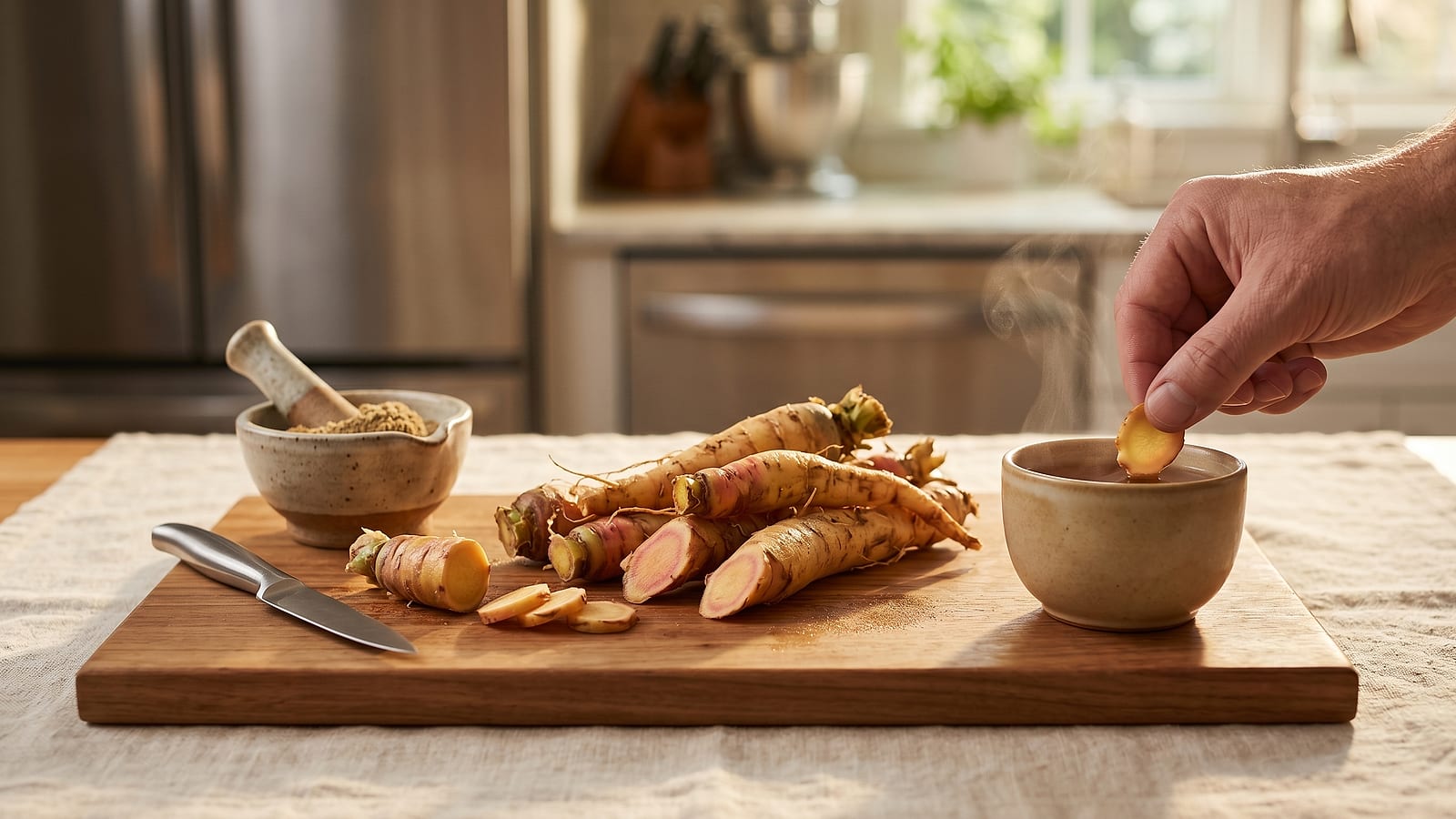
Start with the food source
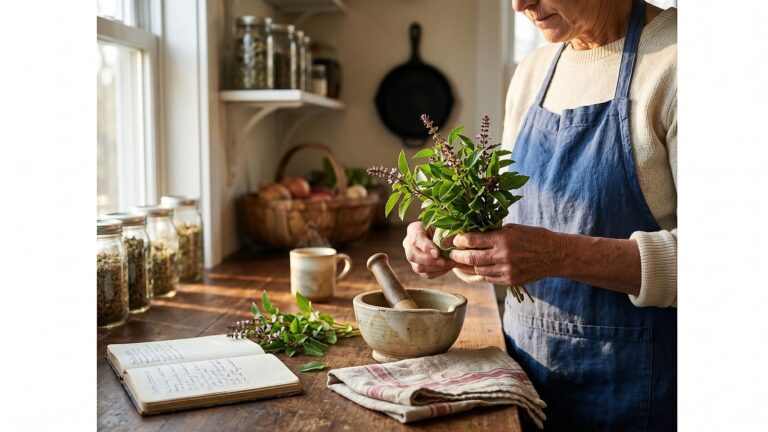
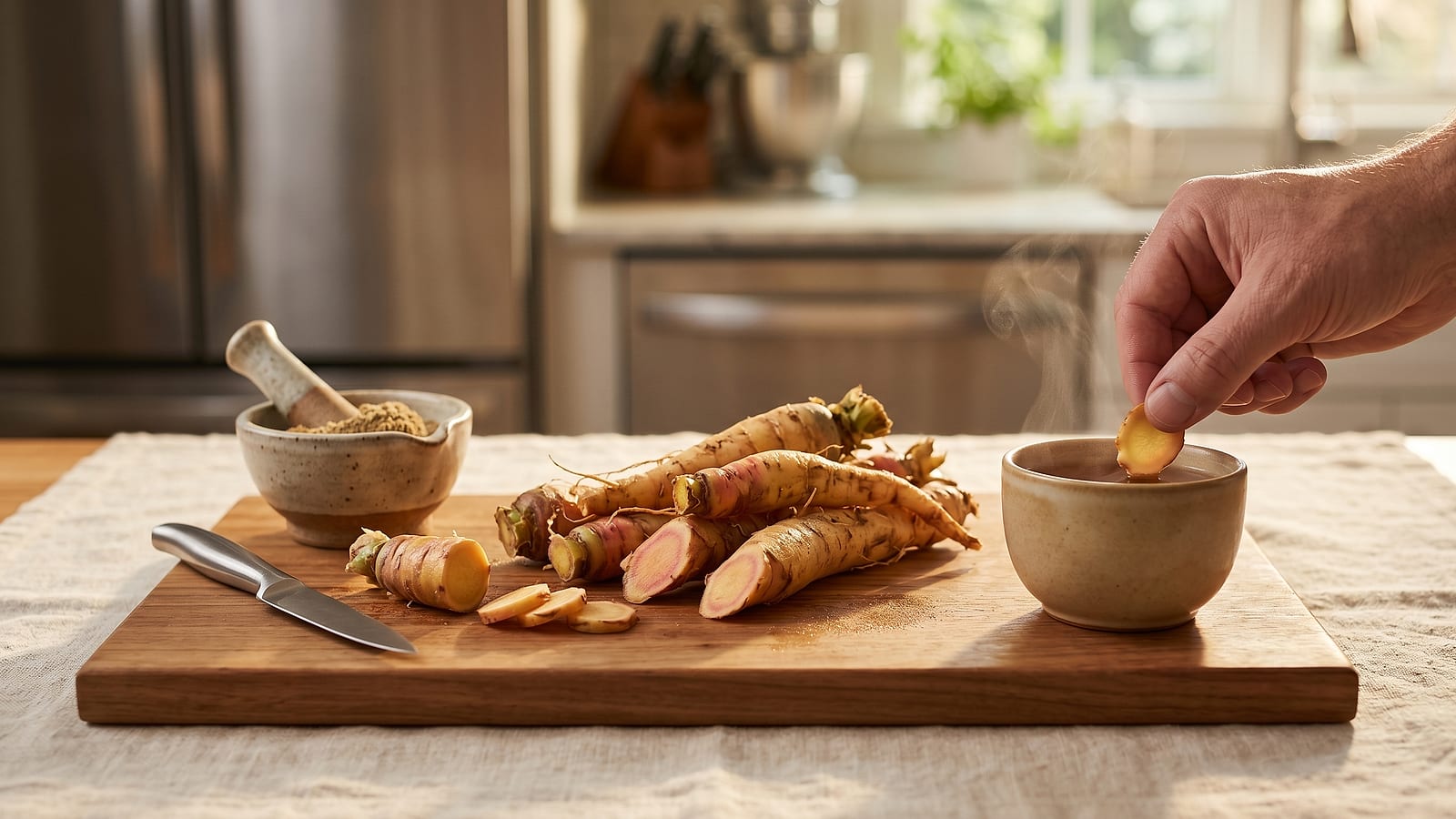
Rhodiola is a woody root, so you cannot simply chop it up and toss it into a salad. One traditional way to use the raw plant is through a decoction — a concentrated tea made by simmering the root in water over heat.
- Dose: Use dried Rhodiola rosea root according to general traditional-use guidance. Specific gram amounts have not been confirmed in clinical trials for this preparation method.
- Preparation: Place the root in water. Bring to a boil, then cover and simmer on low heat for about 20 minutes. Strain the liquid before drinking.
- Timing: General guidance suggests taking herbal preparations before meals, but precise timing has not been established in clinical research. Ask a qualified herbalist or healthcare provider for advice tailored to you.
Move to the concentrated natural form
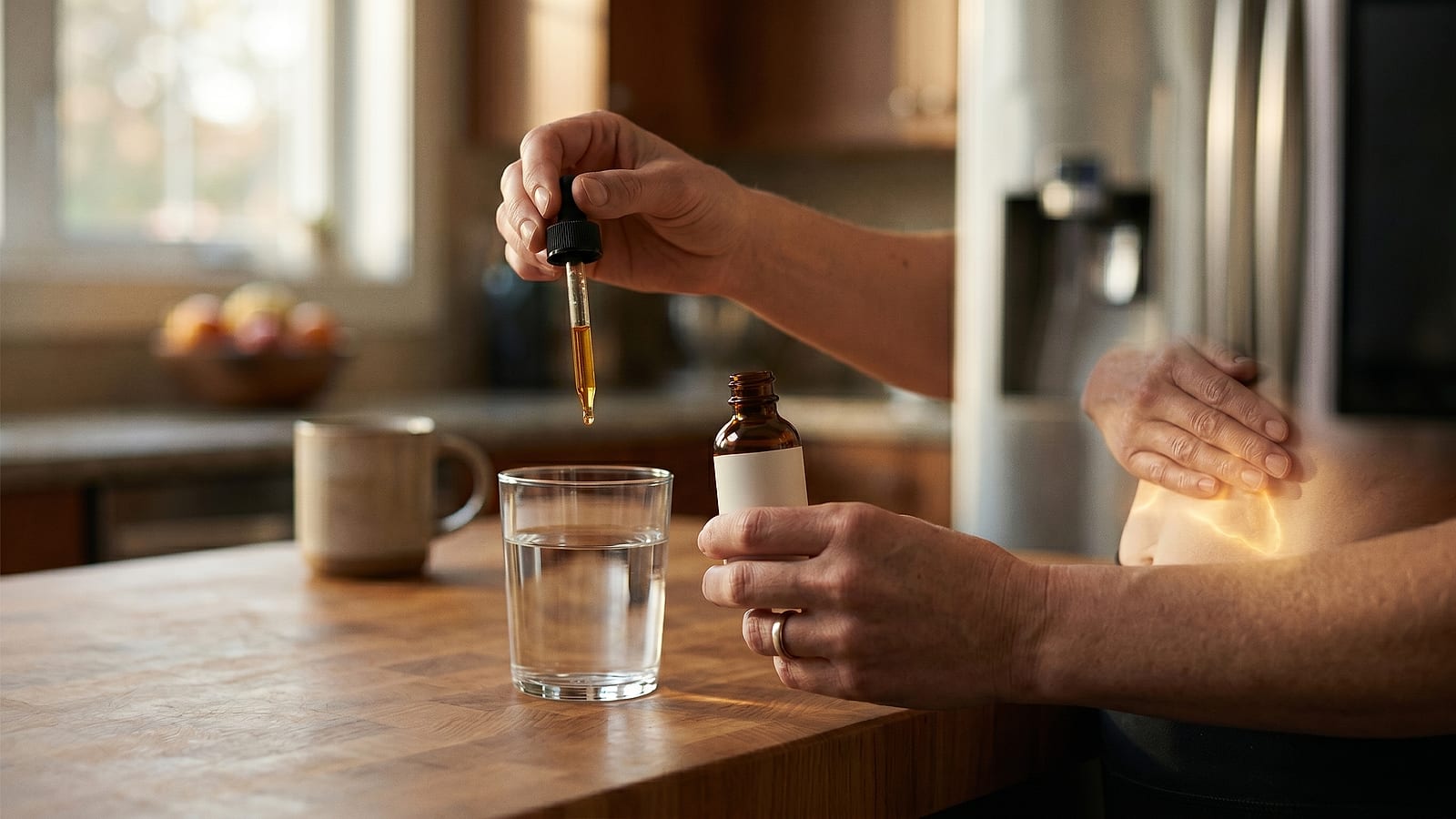
For a more concentrated daily dose, a liquid alcohol extract called a tincture is a common supplement form. Note that clinical trials have generally used standardized extracts rather than tinctures, so the evidence for this specific form is more limited.
- Form: Use a high-quality liquid tincture standardized to 3% rosavins and 1% salidroside, if available.
- Dose: Follow the manufacturer’s recommended dosage. A specific tincture dose has not been established in the reviewed research.
- Timing: General adaptogen guidance suggests morning or midday use. Consult a healthcare provider for timing that fits your situation.
Optional: the supplement form
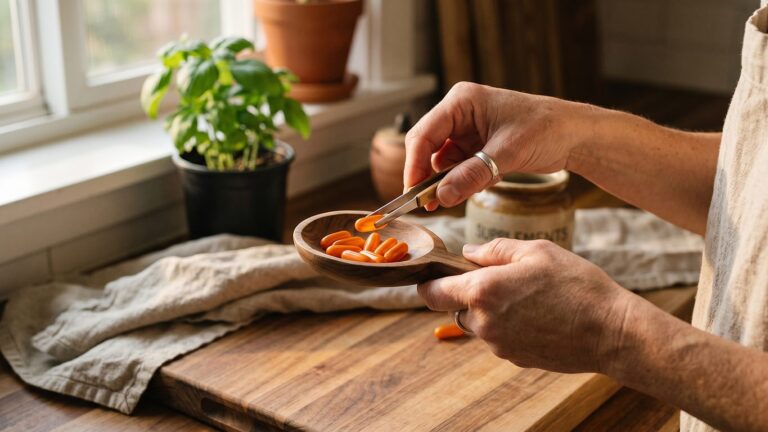
If you prefer capsules for convenience, look for a formula that clearly states its standardized active ingredients. The clinical trials included in a 2025 meta-analysis used an average study length of about 33 days [PMID: 41080184].
- Specs: A capsule containing Rhodiola rosea extract standardized to 3% rosavins and 1% salidrosides is the formulation most commonly used in research. Doses across clinical trials have varied — consult a healthcare provider for the right dose for your situation.
- Timing: Many studies gave Rhodiola before meals. Taking it later in the day is generally not recommended because of its energizing properties, though a specific cutoff time has not been formally established in the reviewed research.
When NOT to do this
Do not use Rhodiola if you have bipolar disorder. Its energizing adaptogenic properties may raise the risk of hypomania (an elevated, overactive mood state). Avoid this herb if you are pregnant, breastfeeding, or currently taking prescription stimulants, MAO inhibitors, or blood-thinning medications. Always consult your physician before starting any new supplement.
A review notes that Rhodiola is generally well tolerated, but individual responses vary. Talk with a healthcare provider about any possible interactions with your current medications or health conditions [PMID: 35745023].
Frequently Asked Questions
Can I take Rhodiola alongside my morning cup of coffee?
There is no established clinical guidance on exactly when to take Rhodiola relative to caffeine. Because both may have energizing properties, some practitioners suggest spacing them apart to avoid potential overstimulation. However, this specific interaction has not been formally studied in the reviewed research. Ask a healthcare provider for advice tailored to you.
What should I do if I miss a dose?
If you miss a dose, simply resume your normal schedule the next day. Because of Rhodiola’s energizing adaptogenic properties, taking it late in the day is generally not recommended. The precise timing threshold, however, has not been established in the reviewed clinical research.
Should I cycle off this herb?
Some traditional and practitioner guidance suggests taking periodic breaks from adaptogenic herbs. However, a specific cycling schedule — such as six weeks on, one week off — has not been confirmed in the clinical trials reviewed here. Consult a qualified healthcare provider for personalized guidance on how long to use it.
How does this compare to taking synthetic energy shots?
Synthetic energy shots typically rely on high doses of caffeine to produce a short-term stimulant effect. A review notes that Rhodiola rosea extract is linked to supporting the body’s stress response through different pathways than direct stimulants. It is also considered the main adaptogen approved by the HMPC/EMA (the European herbal medicine regulatory body) for stress-related indications [PMID: 29325481]. No direct comparison trials between Rhodiola and synthetic energy products were found in the reviewed research.
Is the supplement form necessary if I drink the root tea?
The clinical evidence reviewed here is based mainly on standardized extracts, not raw root tea preparations [PMID: 41080184]. The supplement form provides a consistent, measured dose of active compounds. Whether a home-brewed decoction delivers equivalent amounts of those compounds has not been established in the reviewed research.
Verified Sources
- Rhodiola rosea L.: an herb with anti-stress, anti-aging, and immunostimulating properties for cancer chemoprevention. — Current pharmacology reports, 2017 (PMID 30393593)
- The effect of Rhodiola rosea supplementation on endurance performance and related biomarkers: a systematic review and meta-analysis. — Frontiers in nutrition, 2025 (PMID 41080184)
- The Effectiveness of Rhodiola rosea L. Preparations in Alleviating Various Aspects of Life-Stress Symptoms and Stress-Induced Conditions-Encouraging Clinical Evidence. — Molecules (Basel, Switzerland), 2022 (PMID 35745023)
- Preclinical Evidence and Possible Mechanisms of Rhodiola rosea L. and Its Components for Ischemic Stroke: A Systematic Review and Meta-Analysis. — Frontiers in pharmacology, 2021 (PMID 34803686)
- Stress management and the role of Rhodiola rosea: a review. — International journal of psychiatry in clinical practice, 2018 (PMID 29325481)
Crashing every afternoon? Tired but wired?
Get The 3 PM Crash Killer free — a science-backed guide to steady, all-day energy without more caffeine. Drop your email and we’ll send it straight to your inbox.
No spam. Unsubscribe anytime. Educational content, not medical advice.