A bacterium in your gut decides whether fat builds up in your arteries — and what you eat picks the winner
A growing body of research suggests that the gut microbiome plays a meaningful role in cardiovascular risk, and that the composition of gut microbial communities is influenced by what we eat. By the end of this article, you will understand how dietary fibers and fermented foods may interact with bile acid pathways in ways that are relevant to metabolic and cardiovascular health.
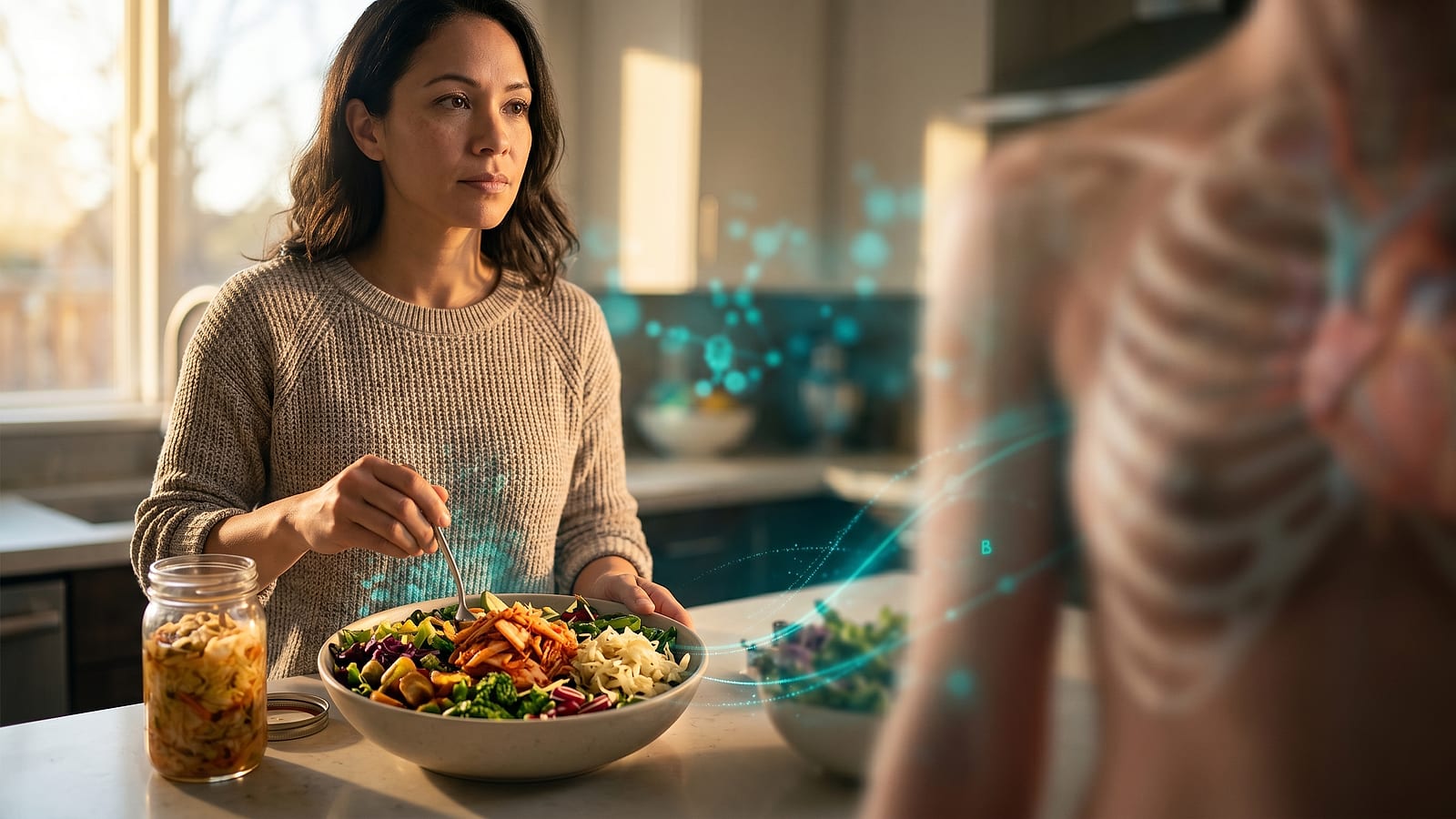
For decades, cholesterol management focused primarily on dietary intake, but modern metabolomics has broadened this picture. Research now points to the gut-heart axis — the relationship between gut microbial activity and systemic metabolic outcomes — as an area of genuine scientific interest, though the precise mechanisms and the degree to which they can be deliberately manipulated through diet are still being studied.
Why This Matters Today
Cardiovascular disease remains the leading cause of mortality globally, but traditional preventative approaches have not always accounted for the metabolic contributions of the gut microbiome. The gut-heart axis, where gut microbes process dietary inputs into metabolites that may affect vascular inflammation and arterial wall integrity, is an active area of research.
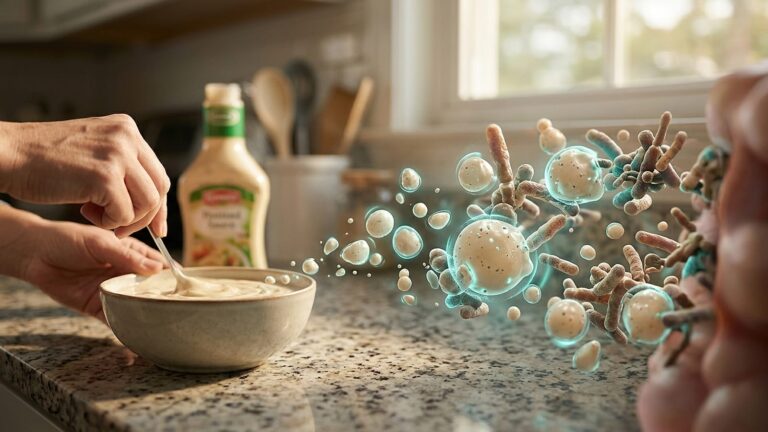
A systematic review and meta-analysis of randomized controlled trials found that fermented food consumption was associated with significant reductions in fasting blood glucose, insulin resistance (HOMA-IR), total cholesterol, LDL cholesterol, and diastolic blood pressure in patients with diabetes and prediabetes [PMID: 37204758]. A review of fermented food research notes that these foods deliver live microbes and bioactive metabolites — including short-chain fatty acids, exopolysaccharides, and modified polyphenols — that may modulate the gut microbiome and influence systemic health outcomes [PMID: 40647044]. The molecular pathways through which these effects occur, including interactions with bile acid synthesis and circulating cholesterol, are discussed in the next section.

The Science Behind It
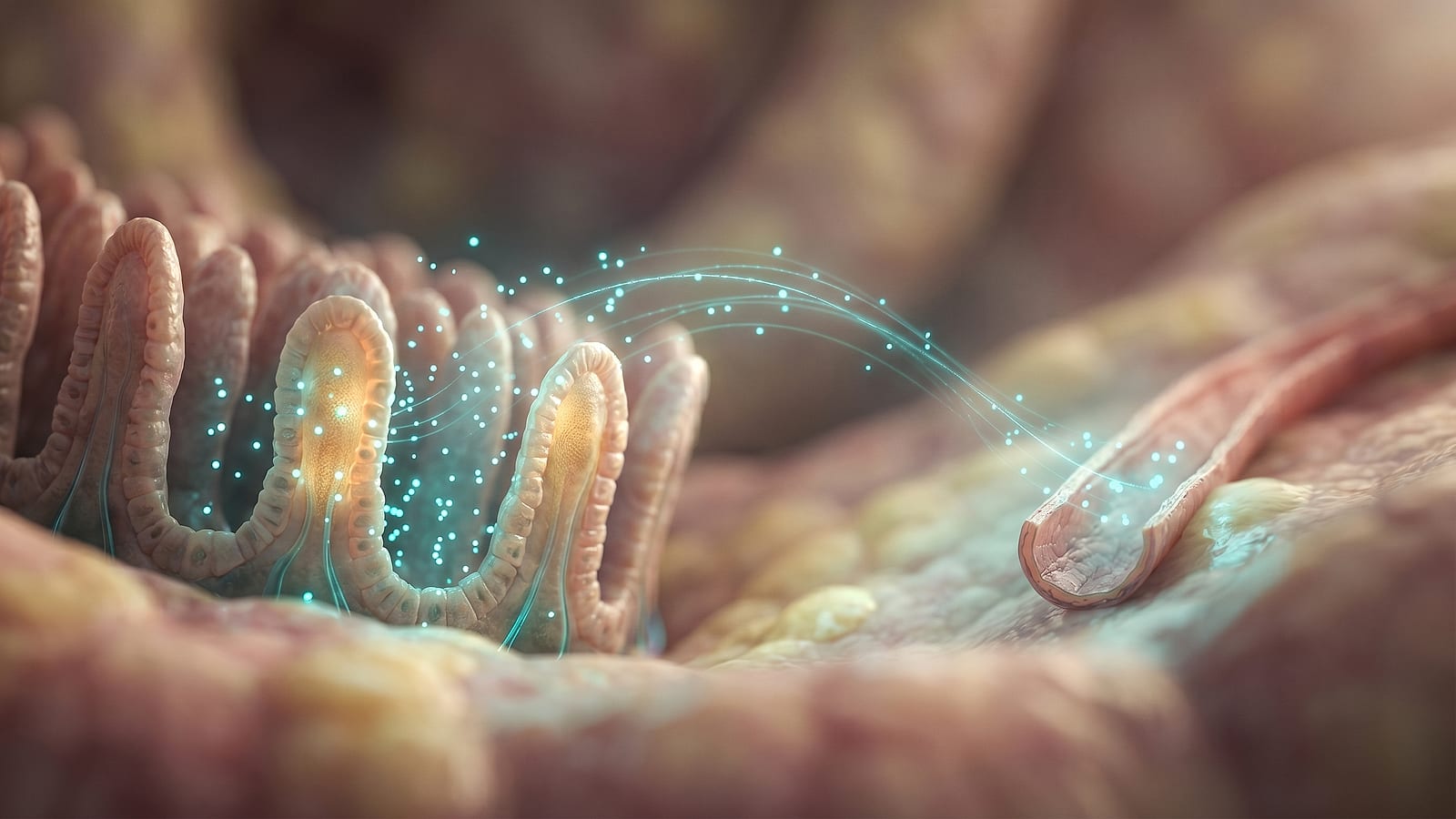
To understand how gut bacteria may influence cardiovascular risk, it helps to look at how the body processes cholesterol. When the liver synthesizes cholesterol, it converts a portion into primary bile acids, which are secreted into the small intestine to aid in fat digestion. Under normal conditions, about 95% of these bile acids are reabsorbed and recycled back to the liver. Certain gut bacteria possess an enzyme called bile salt hydrolase (BSH), which can deconjugate bile acids, potentially reducing their reabsorption and increasing fecal excretion. In theory, this excretion could prompt the liver to draw on circulating LDL cholesterol to synthesize replacement bile acids, though the clinical magnitude of this effect varies across individuals and study designs.
A review notes that when the gut microbiome lacks diversity or is depleted of beneficial strains, these metabolic pathways may be less active, leaving more cholesterol available in the bloodstream [PMID: 40647044]. Fermented vegetables have been studied for their potential to shift the microbial landscape; however, a randomized trial found that consuming 100 g of fermented vegetables at least five days per week for eight weeks did not produce significant changes in inflammatory biomarkers or microbial alpha diversity compared to a usual diet group, with the authors noting that higher doses may be necessary to elicit a measurable response [PMID: 39290661]. A review also notes that fermentation generates bioactive metabolites such as short-chain fatty acids, which in preclinical models have been associated with effects on hepatic cholesterol metabolism, though direct evidence in humans remains limited [PMID: 40647044].
Not all fermented foods appear equivalent in their microbial profiles. A metagenomic meta-analysis found that traditional fermented dairy products tended to harbor a lower biomass of opportunistic pathogens and antibiotic-resistance genes compared to some other fermented food categories, suggesting they may represent a more reliable source of beneficial microbes [PMID: 36406420]. The same analysis noted, however, that certain fermented soy products carried higher levels of opportunistic pathogens and transferable antibiotic-resistance genes, underscoring that fermented foods carry both potential benefits and risks depending on their type and preparation [PMID: 36406420]. A review further notes that pairing live microbes with prebiotic soluble fibers is associated with enhanced fermentation in the colon and production of metabolites such as butyrate, which is linked to gut barrier support in preclinical and some clinical research [PMID: 40647044].
The Complete Protocol

Start with the food source
- Consider incorporating raw, unpasteurized sauerkraut into your daily diet, consumed with a meal. A trial used 100 g daily for at least five days per week over eight weeks as its intervention dose, though that study did not find significant changes in the measured inflammatory or microbiota outcomes at that amount [PMID: 39290661]. Ensure the product is kept refrigerated and not heated, as high temperatures reduce the viability of live cultures.
- Traditional, unsweetened kefir is a fermented dairy option associated with a favorable microbial profile in metagenomic analyses [PMID: 36406420]. Serving size and timing should be guided by individual tolerance and general dietary guidance rather than a precise clinical protocol, as no provided evidence specifies an optimal dose or timing window.
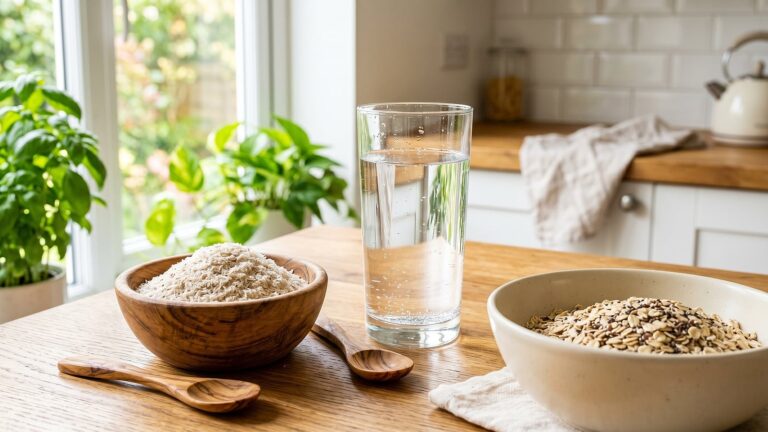
- Soluble fiber sources such as psyllium husk are commonly used alongside fermented foods to support gut fermentation and bile acid binding. A general starting amount often cited in dietary guidance is around 5 g per day mixed with adequate water, though individual needs vary and a healthcare provider can advise on appropriate use.
Move to the concentrated natural form
- Cold-pressed black seed oil (Nigella sativa) has been studied for various metabolic effects, but no provided source supports specific dosing claims or a direct interaction with short-chain fatty acids and hepatic LDL receptor expression. If you are interested in this ingredient, consult a healthcare professional for guidance on appropriate use and potential interactions.
Optional: the supplement form
- Probiotic supplements containing Lactobacillus strains with bile salt hydrolase activity are available commercially. If considering a specific strain or CFU dose, consult a healthcare professional, as the clinical evidence for particular strains and doses varies and no provided source evaluates a specific supplement product.
When NOT to do this
Do not initiate a high-dose fermented food and fiber protocol if you have active Small Intestinal Bacterial Overgrowth (SIBO) or a severe histamine intolerance, as fermented foods can exacerbate these conditions.
Individuals taking immunosuppressants, anticoagulant therapies like Warfarin, or those with compromised intestinal barriers should avoid raw fermented products due to the risk of opportunistic bacteremia and fluctuating vitamin K levels.
To support the transit of soluble fiber through the digestive tract, adequate daily hydration is generally recommended. Insufficient fluid intake alongside fiber supplementation may slow intestinal transit.
Frequently Asked Questions
Can I combine this protocol with a low-carb or ketogenic diet?
Yes, you can. While many low-carb diets restrict fiber-rich foods, psyllium husk provides soluble fiber with minimal net carbohydrates. Raw sauerkraut and unsweetened kefir also contain relatively low amounts of carbohydrates. Whether these foods meaningfully protect cardiovascular function via the gut-heart axis in the context of a ketogenic diet has not been specifically studied in the provided evidence.
What if I experience severe bloating on day 3—should I stop or push through?
If bloating is uncomfortable but mild, you may choose to continue at a reduced amount and increase gradually as tolerated. If bloating is severe or painful, reduce your intake of fermented foods and fiber and consider consulting a healthcare professional, particularly to rule out conditions such as SIBO or histamine intolerance that may be aggravated by fermented foods.
Why does the timeline mention week 4 lipid changes if the primary focus is gut health?
The timeline for any measurable lipid changes from dietary interventions varies considerably across individuals and study designs. A meta-analysis of randomized controlled trials found associations between fermented food consumption and improved lipid markers in people with diabetes and prediabetes [PMID: 37204758], but the precise timeline for such changes in any individual cannot be predicted from the available evidence.
Can I substitute the raw sauerkraut with pasteurized, shelf-stable options?
Pasteurized, shelf-stable sauerkraut has been heated to temperatures that reduce or eliminate viable lactic acid bacteria. If the goal is to consume live microbial cultures, raw, refrigerated fermented vegetables are the more appropriate choice. Whether this distinction meaningfully affects cholesterol-related outcomes has not been directly tested in the provided sources.
Is the supplement form necessary if I eat the recommended fermented foods daily?
The supplement form is optional. Fermented foods provide a range of beneficial microbes and bioactive compounds, and a review notes their potential to transiently introduce beneficial microbes into the gut [PMID: 40647044]. Whether a standardized probiotic supplement offers additional benefit over whole fermented foods for cholesterol management specifically is not established by the provided evidence. Consult a healthcare professional to determine what approach is appropriate for your individual situation.
Verified Sources
- Fermented Foods as Functional Systems: Microbial Communities and Metabolites Influencing Gut Health and Systemic Outcomes. — Foods (Basel, Switzerland), 2025 (PMID 40647044)
- Fermented foods and metabolic outcomes in diabetes and prediabetes: A systematic review and meta-analysis of randomized controlled trials. — Critical reviews in food science and nutrition, 2024 (PMID 37204758)
- The effects of fermented vegetables on the gut microbiota for prevention of cardiovascular disease. — Gut microbiome (Cambridge, England), 2024 (PMID 39290661)
- Two sides of the same coin: Meta-analysis uncovered the potential benefits and risks of traditional fermented foods at a large geographical scale. — Frontiers in microbiology, 2022 (PMID 36406420)
Bloated, tired, foggy, or fighting cravings?
Get The Gut Reset free — a science-backed guide to go from “off” to clear, light and energized. Drop your email and we’ll send it straight to your inbox.
No spam. Unsubscribe anytime. Educational content, not medical advice.