
The “zero-calorie” sweetener sold as the healthy choice may be quietly scrambling your gut and your blood sugar
You bought the blue, yellow, or pink packets because you wanted to protect your waistline and keep your blood sugar steady. It seemed like a free pass. But that zero-calorie drink on your desk may be pulling off a quiet bait-and-switch inside your body.
By the end of this article, you will know a 4-step protocol. It uses whole-food plant ingredients that may support your metabolic health — how your body turns food into energy — when you cut back on synthetic sweeteners.
Why This Matters Today
The food industry marketed these chemicals as tools to fight weight gain and diabetes. A careful look at the research tells a more complicated story. A large review of the evidence found that the benefits of non-sugar sweeteners as a sugar replacement are conflicting. Short-term studies (where researchers track people for weeks) found some benefits, but studies that followed large groups of people over years found harm linked to long-term use [PMID: 37451112].
That same review notes that long-term data link non-sugar sweetener use to worse metabolic outcomes — though the findings are not the same across every type of study [PMID: 37451112]. Many people who think they are making the healthy choice may end up with worse metabolic health. Let us look at what the research says these chemicals may be doing to your gut.
The Science Behind It
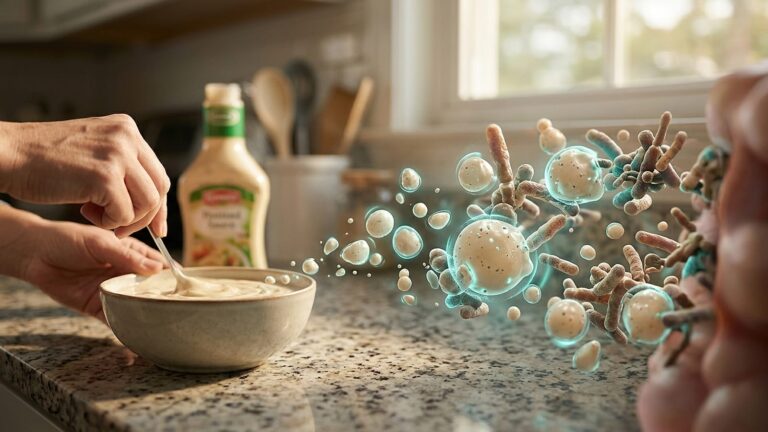
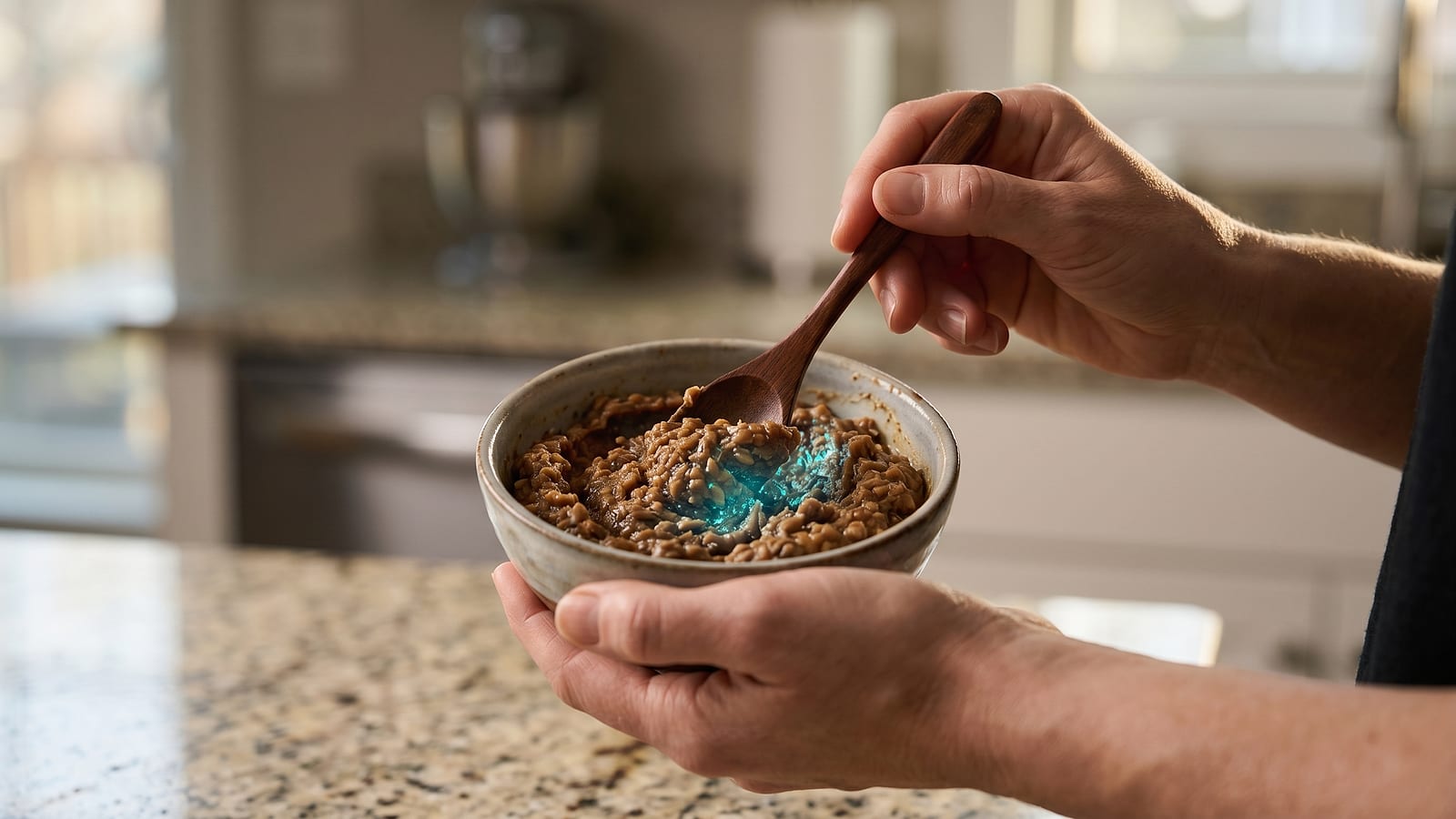
How does a zero-calorie chemical cause real-world health concerns? One proposed answer involves the gut microbiome — the community of helpful bacteria living in your digestive tract. When you drink a diet beverage, synthetic compounds travel to the colon, where they may interact with those bacteria. The evidence here is mixed, though.
A randomized double-blinded crossover clinical trial (one of the strongest kinds of studies, where neither participants nor researchers knew who got what) found that daily consumption of aspartame or sucralose at typical high-use doses had minimal effect on gut bacteria or the protective compounds those bacteria produce in healthy adults [PMID: 33171964]. A broader review of clinical trials and observational studies (studies that observe people without intervening) also found that only some studies showed meaningful changes in gut bacteria after sweetener use [PMID: 37897982].
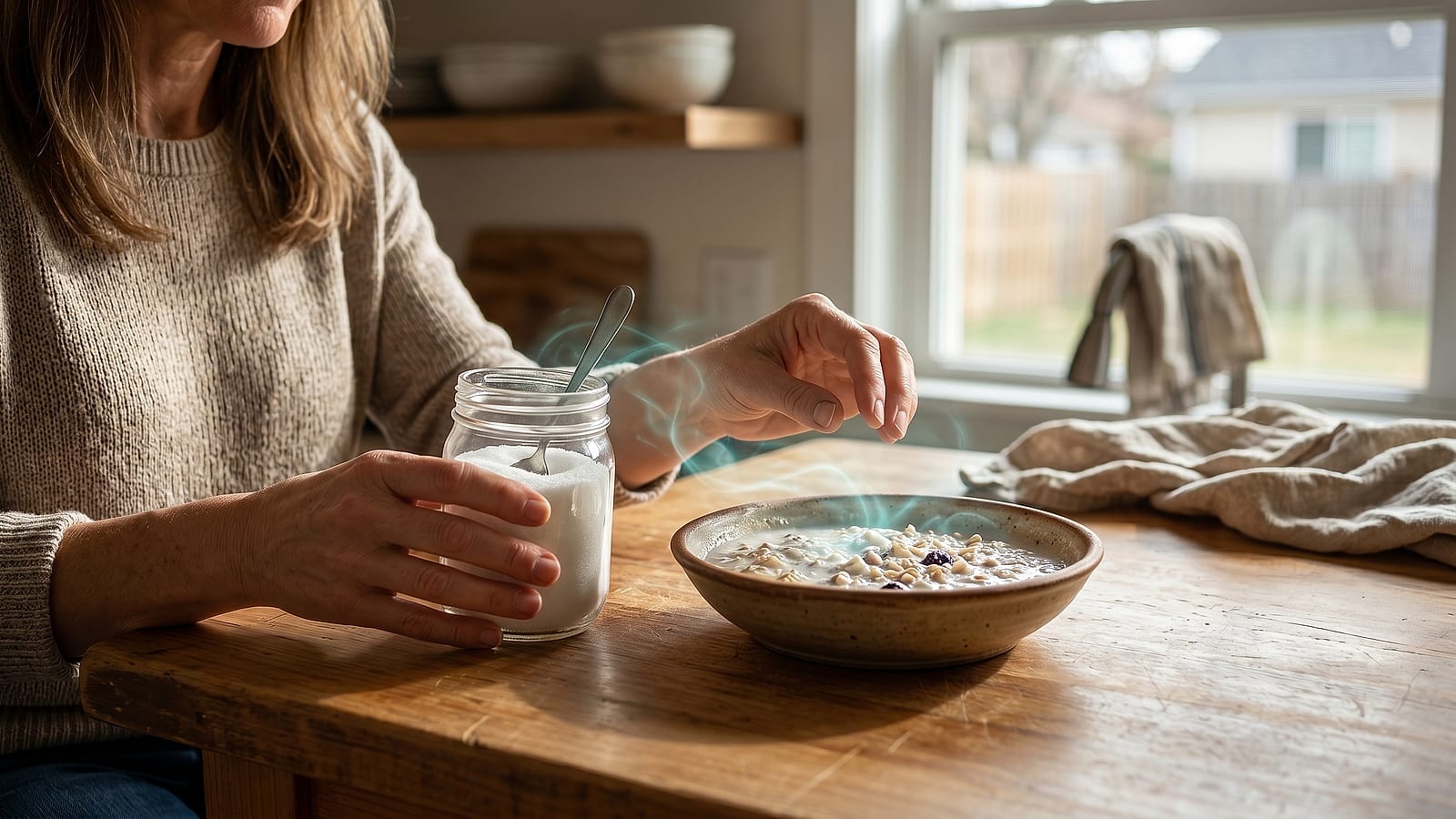
That said, the same review notes that some studies found saccharin and sucralose were linked to worse blood sugar control. It also found that how your gut bacteria respond to sweeteners may depend heavily on the mix of bacteria you already have [PMID: 37897982]. In other words, the effect may vary a lot from person to person.
Gut bacteria produce compounds called short-chain fatty acids (SCFAs) — molecules your gut lining uses to stay healthy and that help regulate metabolic hormones. The randomized trial above found no difference in these compounds after people consumed aspartame or sucralose at typical doses [PMID: 33171964]. Researchers do note, however, that longer-term use, higher doses, or different starting gut bacteria could produce different results [PMID: 37897982].
A wide-ranging review of sweeteners notes that the food industry has pointed to short-term evidence showing people ate fewer calories when they replaced sugar with non-nutritive sweeteners [PMID: 41008155]. But the same review flags ongoing debates and gaps in the safety data, and calls for more research [PMID: 41008155]. The overall picture — as one analysis of the WHO’s findings put it — is that short-term studies show some benefits, while long-term observational data show conflicting results [PMID: 37451112]. Because of these open questions, some people choose to cut back on synthetic sweeteners and try whole-food alternatives that may support gut health.
The Complete Protocol

Start with the food source
Consider adding whole-food metabolic modifiers — ingredients that may support how your body processes energy — such as fresh berries and Ceylon cinnamon to your daily diet. These foods contain prebiotic fibers and polyphenols (natural plant compounds) that may help support a diverse, healthy gut microbiome. No clinical trial has set a specific dose or timing for these foods as a “sweetener recovery” tool. Use amounts that fit general dietary guidance and your own comfort level.
Move to the concentrated natural form
Consider swapping synthetic sweeteners for monk fruit extract or organic stevia leaf powder in their least-processed forms. A wide-ranging review of sweeteners lists stevia and monk fruit among the plant-based alternatives to synthetic options [PMID: 41008155]. Keep in mind that the long-term effects of these natural alternatives on gut bacteria in humans are also not yet fully understood [PMID: 37897982].
Optional: the supplement form
Some people use apple polyphenol extracts as a prebiotic supplement — a supplement that feeds helpful gut bacteria — to support gut microbiome diversity. Clinical evidence specifically linking standardized apple polyphenol supplements to sweetener-related gut recovery in humans is currently limited. Talk to a healthcare provider before adding new supplements.
When NOT to do this
Do not use high-dose stevia or monk fruit extracts if you are pregnant, nursing, or taking blood pressure-lowering medications. Stevia can naturally lower blood pressure and may interact with those drugs.
Pro tip: Keep a journal to track your mid-afternoon energy levels during the first week. Cutting out synthetic sweeteners can cause mild cravings as your taste buds adjust.
Frequently Asked Questions
Can I combine this recovery protocol with an intermittent fasting schedule?
Yes. Consuming the Ceylon cinnamon and wild berries within your eating window may enhance metabolic benefits. Try keeping berry consumption toward the start of your eating window to support insulin sensitivity — your body’s ability to use blood sugar efficiently.
What if I accidentally consume a diet drink — do I restart the protocol?
Do not restart. One slip will not erase your progress. Simply continue the protocol the next morning. The goal is to build up four consecutive weeks of supporting your gut microbiome.
How does green stevia leaf compare to the clear liquid stevia drops sold in supermarkets?
Clear liquid stevia drops are highly refined and often contain sugar alcohols like erythritol. Green stevia leaf powder is the whole, dried leaf. It keeps the natural plant compounds that may support gut health without disrupting your gut bacteria.
Is the apple polyphenol supplement absolutely necessary if I eat apples daily?
It is not strictly necessary, but it is highly recommended. Whole apples contain sugar that may affect some people’s blood sugar levels. The standardized extract delivers a concentrated dose of the beneficial plant compounds without the fructose.
Verified Sources
- The Effects of Non-Nutritive Artificial Sweeteners, Aspartame and Sucralose, on the Gut Microbiome in Healthy Adults: Secondary Outcomes of a Randomized Double-Blinded Crossover Clinical Trial. — Nutrients, 2020 (PMID 33171964)
- Beyond Sugar: A Holistic Review of Sweeteners and Their Role in Modern Nutrition. — Foods (Basel, Switzerland), 2025 (PMID 41008155)
- Association between intake of non-sugar sweeteners and health outcomes: systematic review and meta-analyses of randomised and non-randomised controlled trials and observational studies. — BMJ (Clinical research ed.), 2019 (PMID 30647061)
- Non-sugar sweeteners and health outcomes in adults without diabetes: deciphering the WHO recommendations in the Indian context. — Diabetes & metabolic syndrome, 2023 (PMID 37451112)
- Effect of low-and non-calorie sweeteners on the gut microbiota: A review of clinical trials and cross-sectional studies. — Nutrition (Burbank, Los Angeles County, Calif.), 2024 (PMID 37897982)
Bloated, tired, foggy, or fighting cravings?
Get The Gut Reset free — a science-backed guide to go from “off” to clear, light and energized. Drop your email and we’ll send it straight to your inbox.
No spam. Unsubscribe anytime. Educational content, not medical advice.