
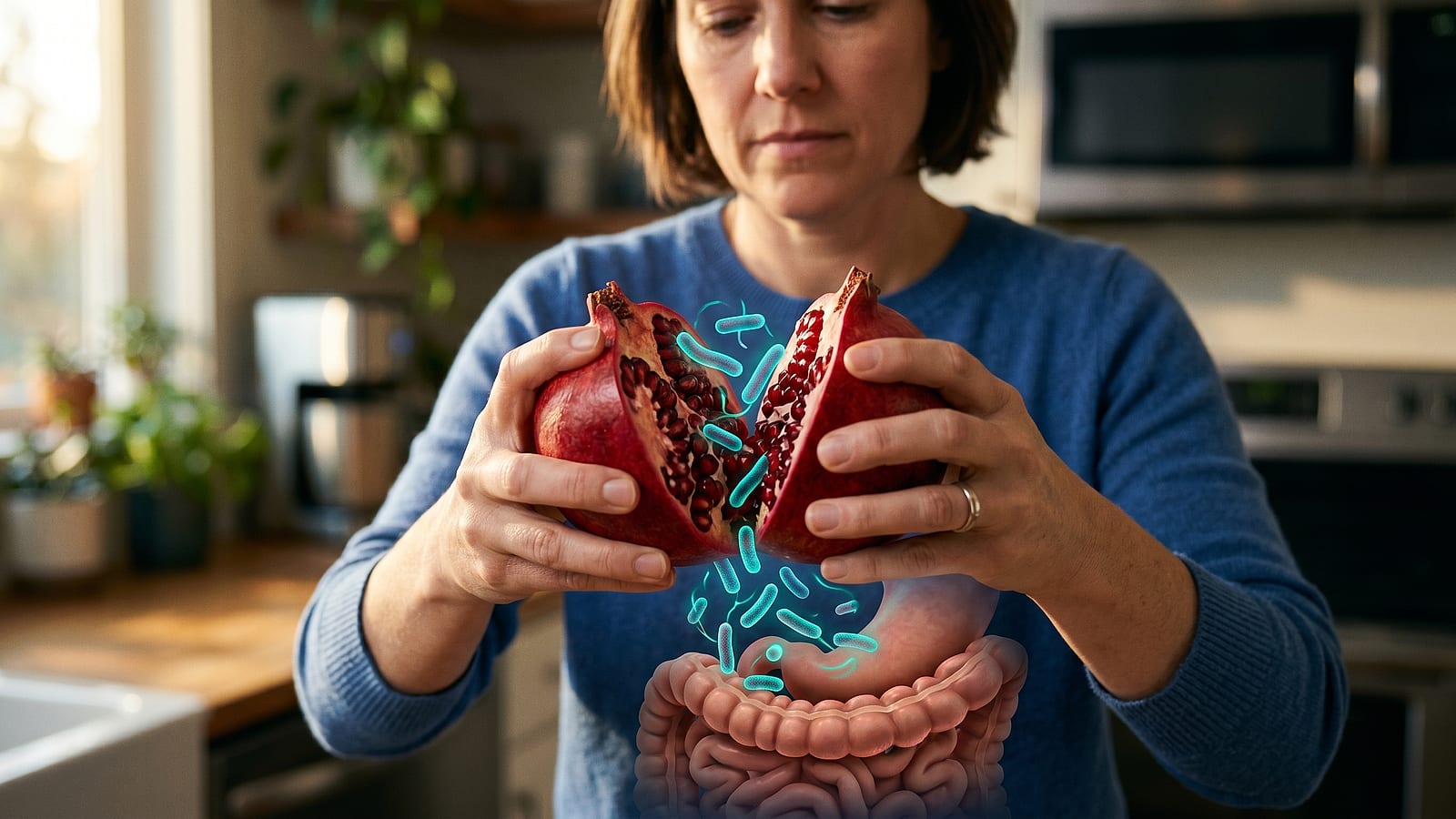
A single gut microbe decides how thick your intestinal wall is — and when it vanishes, the inflammation leaks into everything
Your gut wall is just one thin layer of cells — thinner than a single strand of hair. It is the only thing standing between pounds of digesting food and harmful bacteria on one side, and your bloodstream on the other. When this barrier wears thin, inflammation spreads through your body. That can cause brain fog, fatigue, and stubborn weight gain — symptoms many doctors dismiss as “just getting older.”
But you do not need a 10-step supplement routine to fix it. One highly specialized bacterium in your gut acts as the master builder of this wall. By the end of this article, you will know a clear 4-week eating plan to feed this microbe and rebuild your gut’s protective barrier.
Why This Matters Today
Many people spend a lot of money on bone broth and collagen trying to heal their gut lining. But they miss a key biological fact: your gut wall cannot repair itself without a native microbial architect. That architect is a microbe called Akkermansia muciniphila. Under a microscope, it looks like a simple rod. Inside your colon, research links it to feeding on and regulating the mucus layer that protects your gut wall [39940420].
Recent clinical data shows why this matters. A major 12-week trial published in 2025 gave this specific microbe to overweight patients with type 2 diabetes. The results depended heavily on how much of the microbe each patient already had at the start [39879980]. Low levels of this bacterium are consistently linked to insulin resistance (when your body stops responding well to insulin) and body-wide inflammation. This is not just about bloating. It is about the structural health of your metabolism. Without enough of this microbe, your intestinal wall can become leaky. Here is how that process works.

The Science Behind It
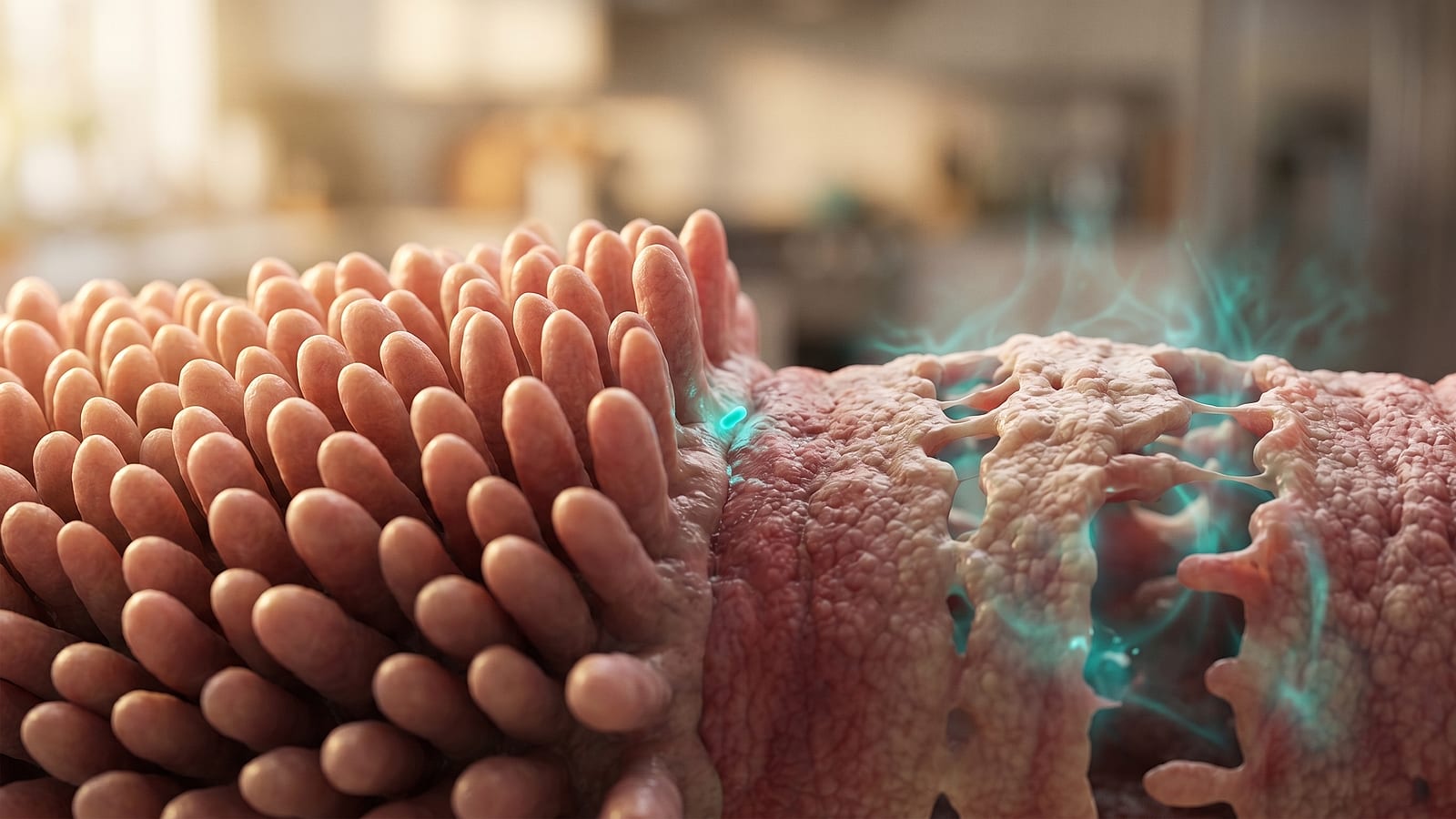
Your intestinal wall is covered by a thick, gel-like mucus layer. This layer stops harmful germs from touching the delicate cells underneath. Akkermansia muciniphila is unique because it feeds on this mucus [37432597]. That might sound like a bad thing. Why would you want a microbe eating your protective shield?
Think of it like pruning a rose bush. When Akkermansia digests the outer layer of mucus, it produces short-chain fatty acids (small molecules your gut cells use as fuel) like acetate and propionate. These molecules signal special cells called goblet cells to produce even more fresh mucus. It is a self-renewing cycle.
When this microbe disappears — due to a poor diet or overuse of antibiotics — that cycle stops. The mucus layer dries up and thins out. Then, toxic fragments from harmful bacteria, called lipopolysaccharides, slip through the weakened barrier into your bloodstream. This is what “leaky gut” means. Once in the blood, these fragments trigger chronic, low-grade inflammation. That silent inflammation travels to your liver and muscles, where it jams your insulin receptors. Over time, this can show up as stubborn belly fat that is hard to lose even when you cut calories.
The metabolic effects show up clearly in the research. A large review of animal studies found that giving animals Akkermansia reduced body weight gain by 10.4% and lowered fasting blood sugar levels by 21.2% [39458436]. Human biology is more complex, but clinical trials have backed this up in people too. A landmark human pilot study confirmed that taking this bacterium by mouth is safe and well-tolerated in overweight and obese volunteers. It also improved several markers of metabolic health [31263284]. It is a rare case where findings from lab research translate clearly to human health.
Focusing on feeding your native Akkermansia may support better digestive and metabolic health than taking generic probiotic pills. You cannot simply add random bacteria and hope for the best. You need to feed the specific species that builds and maintains the wall.
The Complete Protocol
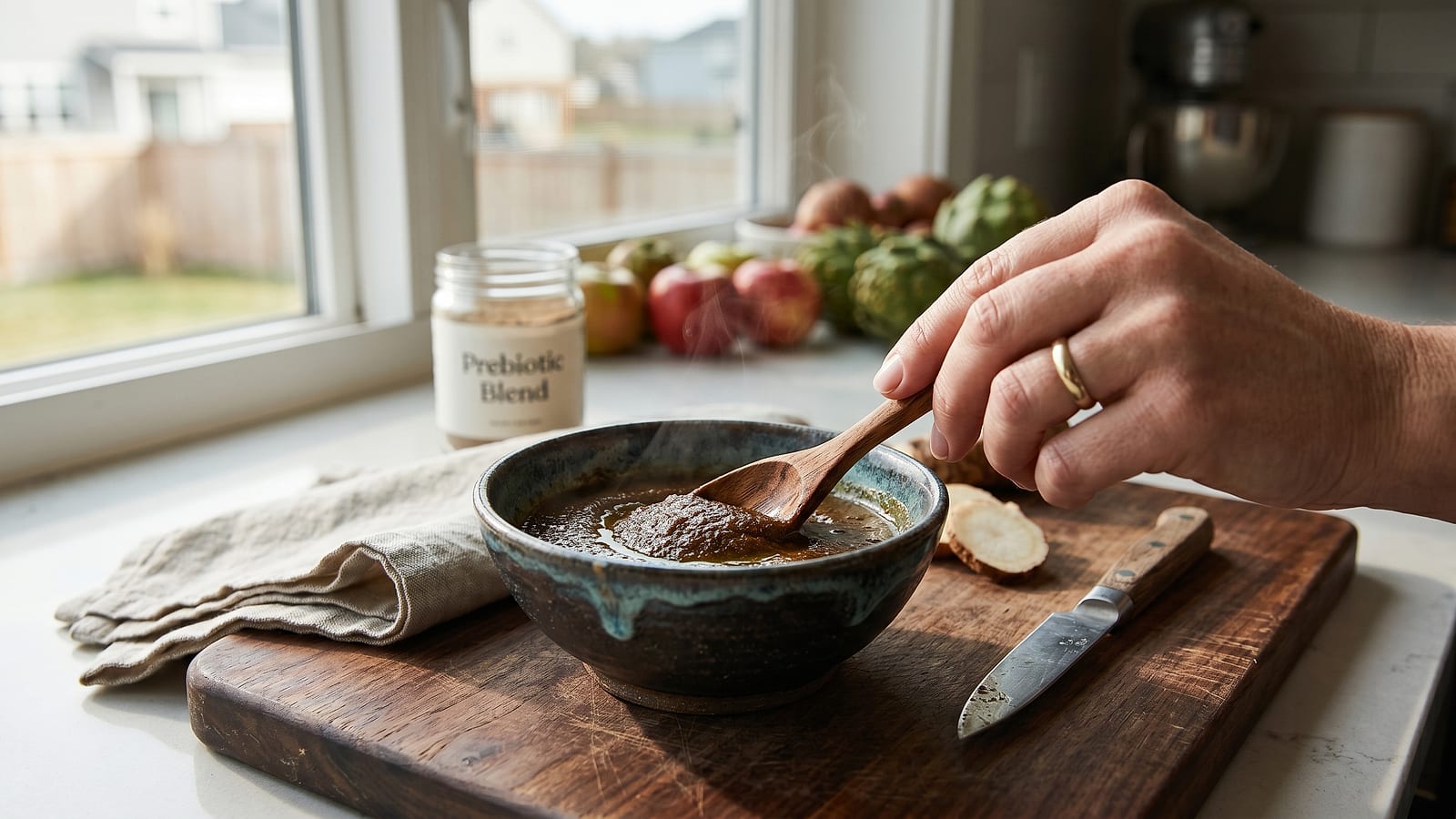
Start with the food source
- Pomegranate juice (100% pure, unsweetened): Drink 120 ml (4 ounces) daily. Drink it first thing in the morning, 20 minutes before your first meal. The rich plant compounds called polyphenols may help support Akkermansia growth.
- Ground flaxseeds: Take 15 grams (about 2 tablespoons) daily. Stir them into warm water or oatmeal. The gel-like fiber in flax gives this microbe the raw prebiotic material (food that feeds helpful bacteria) it needs to thrive.
Move to the concentrated natural form
- Standardized Cranberry Extract: Take 500 mg daily. Make sure it is standardized to contain at least 10% proanthocyanidins (PACs) — the active plant compounds that do the work. Take this capsule with lunch. Polyphenols from cranberries selectively encourage Akkermansia growth while keeping harmful bacteria in check.
Optional: the supplement form
- Pasteurized A. muciniphila: If using a supplement, choose a formulation that provides 10 billion cells (often listed as 30 mg) per serving [31263284]. Take one capsule daily with your first fat-containing meal. This improves stability and matches the conditions used in human trials.
When NOT to do this
Do not start this high-polyphenol plan if you are pregnant or currently having an active, bleeding flare-up of ulcerative colitis or Crohn’s disease. Always check with your doctor first if you take blood-thinning medications, because high-dose cranberry extracts can interact with them.
Pro tip: If you notice mild gas around day 3, do not worry. This is a normal sign that your gut bacteria are shifting. Simply cut the flaxseed dose in half for 3 days, then gradually increase it back to the full amount.
Frequently Asked Questions
Can I take this if I am currently on a course of antibiotics?
No, you should wait. Antibiotics will likely wipe out or severely damage the environment needed for pasteurized Akkermansia to work. Finish your antibiotic course, wait 48 hours, and then start this protocol to rebuild your depleted mucus layer.
Why is pasteurized Akkermansia recommended over live bacteria?
It sounds counterintuitive, but the heat-treatment process of pasteurization actually exposes specific proteins on the microbe’s outer membrane. These proteins interact directly with your gut lining. One pilot RCT (a randomized controlled trial — the strongest kind of study, with 32 completers) found that pasteurized Akkermansia muciniphila significantly improved insulin sensitivity, lowered insulin levels in the blood, and reduced total cholesterol compared to a placebo. The live bacteria group, by contrast, did not show statistically significant improvements versus placebo. However, no direct statistical comparison between the pasteurized and live groups was reported, and stability was not assessed in the study [31263284].
What if I miss a day of the polyphenol juice or supplement?
Do not double your dose the next day. Simply pick up where you left off. The mucus layer takes weeks to thin out, so one missed day will not undo your progress. Steady, long-term consistency is what feeds the microbe.
Can I combine this protocol with a ketogenic or low-carb diet?
Yes. Akkermansia actually thrives during fasting or low-carbohydrate eating because it shifts the microbe to feed on mucin, which keeps the gut lining active. Just make sure you still get your daily polyphenols from low-sugar sources like unsweetened cranberry extract rather than sugary juices.
How do I know if the protocol is actually working if I cannot see my gut lining?
Look for indirect signs. The most reliable ones are a flatter stomach two hours after meals, no 3 p.m. energy crash, and clearer skin. For objective data, you can take a stool-based microbiome test before and after the 4-week protocol to measure your actual Akkermansia percentage.
Verified Sources
- Health Effects and Therapeutic Potential of the Gut Microbe Akkermansia muciniphila. — Nutrients, 2025 (PMID 39940420)
- A Critical Review on Akkermansia muciniphila: Functional Mechanisms, Technological Challenges, and Safety Issues. — Probiotics and antimicrobial proteins, 2024 (PMID 37432597)
- Supplementation with Akkermansia muciniphila in overweight and obese human volunteers: a proof-of-concept exploratory study. — Nature medicine, 2019 (PMID 31263284)
- Akkermansia muciniphila for the Prevention of Type 2 Diabetes and Obesity: A Meta-Analysis of Animal Studies. — Nutrients, 2024 (PMID 39458436)
- Akkermansia muciniphila supplementation in patients with overweight/obese type 2 diabetes: Efficacy depends on its baseline levels in the gut. — Cell metabolism, 2025 (PMID 39879980)
Bloated, tired, foggy, or fighting cravings?
Get The Gut Reset free — a science-backed guide to go from “off” to clear, light and energized. Drop your email and we’ll send it straight to your inbox.
No spam. Unsubscribe anytime. Educational content, not medical advice.

I bought Akkermansia in capsule form the direction 1 capsule a day . I want to know what’s the best way to take it .
Hi Agnes — wonderful question, and so glad you’re getting started! 🙌
A few simple tips to get the most out of your Akkermansia:
1. Consistency beats timing. Take your 1 capsule at the same time each day. Akkermansia works by slowly rebuilding the protective mucus lining of your gut, so showing up daily for a few weeks matters far more than the exact hour.
2. With or without food is fine — just avoid taking it with something piping hot (high heat stresses the bacteria). Many people do well taking it at night, away from hot drinks.
3. Feed it. Akkermansia thrives on polyphenols and fermentable fiber — berries, pomegranate, cooked-and-cooled potato or rice (resistant starch), and leafy greens give it the fuel to colonize and multiply.
4. Space it from coffee/tea and antibiotics. Don’t take it right under a hot beverage, and if you’re ever on antibiotics, leave several hours between them.
Give it a consistent 4–6 weeks — that’s when most people start noticing the difference. And since you have a specific supplement, it’s always worth a quick check with your doctor if you have any health conditions. 💚
— Dr. Sarah Chen