
The mood and focus fix hiding in a fish-oil bottle only works at one ratio — and most brands quietly sell you the wrong one
You bought the amber bottle. You swallowed the giant gel caps for a month and waited for the brain fog to lift. Nothing happened. So you tossed the bottle in the trash, convinced that omega-3s are just expensive snake oil hyped up by wellness influencers.
But here is what most supplement brands do not tell you: you probably bought the wrong molecule. The mood and focus benefits hiding in a fish-oil bottle only work at one specific ratio. Most retail brands quietly sell you a cheap, oxidized formula loaded with the wrong fatty acid. By the end of this article, you will know the exact EPA-to-DHA ratio needed to cross the blood-brain barrier — and the precise 21-day protocol to follow.
Why This Matters Today
Walk down any drugstore aisle. You will see shelves full of fish oil promising to boost your brain. Yet rates of depression and anxiety keep rising. Why the disconnect?
It comes down to basic body chemistry. Most commercial fish oils use a 1:1 or 1:2 ratio of EPA to DHA — or they do not list the ratio at all. DHA is great for brain development in young children. But for an adult brain dealing with low-grade, ongoing inflammation, DHA is not the key player. That role belongs to EPA (eicosapentaenoic acid, a specific omega-3 fat found in fish).
Many people spend hundreds of dollars on rancid, low-EPA supplements. The fishy burp they notice is actually the smell of oxidized, damaged fats. They assume omega-3s simply do not work for them. One study that tracked 313 healthy adults found that diets rich in omega-3 sources — especially nuts, seeds, fish, and seafood — were linked to lower depression and stress scores. EPA and DHA (but not ALA, a plant-based omega-3) were specifically tied to those mood benefits. However, dietary omega-3 intake was not significantly associated with thinking or memory performance, and it did not work better than a placebo for the link between mood and memory. [PMID: 41515168] A separate review found that major depression is often linked to a shortage of long-chain omega-3 fats alongside signs of low-grade inflammation, based on studies that followed large groups of people and looked at their diets. [PMID: 33922396] Let us look at the cell-level details that explain why the right ratio changes everything.
The Science Behind It
To understand why EPA is the key to mood, we need to look at how brain cells communicate. Your brain is not a static lump of fat. It is a highly active electrical engine wrapped in a fatty outer layer called a cell membrane.
When you are stressed, anxious, or inflamed, your brain produces inflammatory proteins called cytokines — such as interleukin-6 (IL-6) and tumor necrosis factor-alpha (TNF-alpha). Think of these proteins as static on a radio signal. They drown out mood-regulating brain chemicals like serotonin and dopamine. EPA may act as a natural dampener on that inflammatory static. It competes directly with arachidonic acid, an omega-6 fat that triggers the body’s inflammation response. By crowding out arachidonic acid, EPA is linked to reducing the production of pro-inflammatory compounds, which may help calm an inflamed brain.
This shift at the molecular level can have real effects on brain activity. One well-designed study — a double-blind, randomized, placebo-controlled trial (the strongest kind of study), which also used brain scans — found that 18 weeks of omega-3 supplementation (EPA+DHA) did not work better than a placebo for negative mood, impulsivity, or brain responses related to emotion and self-control in healthy adults who started with low omega-3 levels. [PMID: 28121722] When you consume high-dose EPA, it may help change how connected brain regions are — especially areas involved in handling stress, like the amygdala and prefrontal cortex. The goal is not just “feeling better.” It is about changing how your brain physically processes stress.
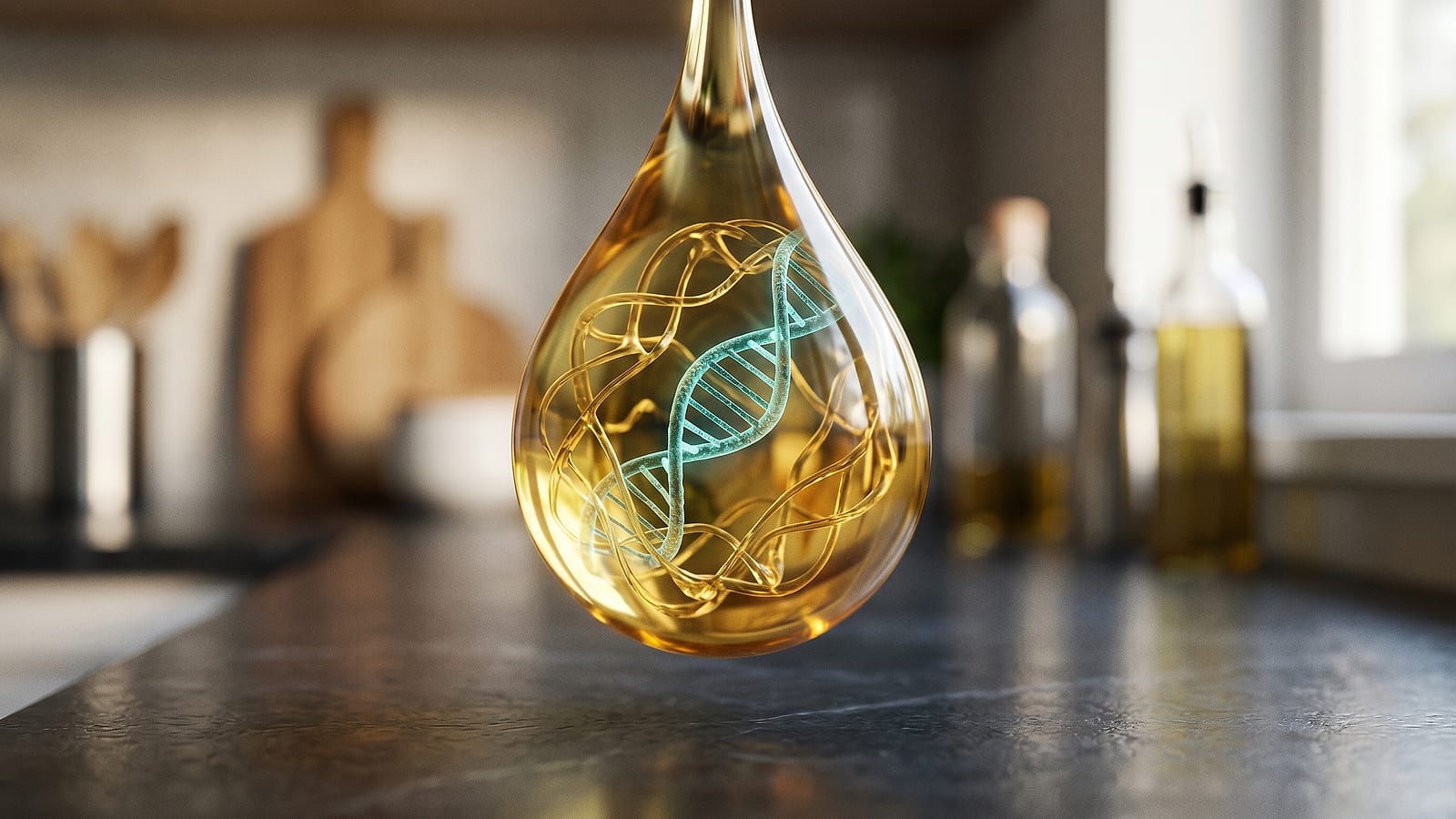
But why does the ratio matter so much? Why not just take a balanced EPA/DHA supplement? The answer is in how these two fats reach the brain. DHA is heavily concentrated in the brain’s structural membranes, but it is recycled very slowly. EPA, on the other hand, is quickly used up by the brain to make specialized pro-resolving mediators (SPMs) — the molecular clean-up crew that actively calms brain inflammation. If your supplement is loaded with DHA, it competes with EPA for transport across the blood-brain barrier (the protective filter between your bloodstream and your brain). High DHA levels can actually block EPA from getting where it needs to go.
To get the mood benefits, you need a heavily skewed ratio — specifically, at least 2:1 or 3:1 EPA to DHA. One review of heart health trials and lab studies found that omega-3 fat byproducts, such as oxylipins (signaling molecules made from fats), have complex effects on the heart and blood flow — including calming inflammation and changing how the body handles fats — though results across trials were mixed, and brain protection was not addressed. [PMID: 33061864] If your supplement has DHA equal to or higher than EPA, you are essentially locked out of the therapeutic window. Your brain simply cannot import enough EPA to calm the underlying inflammation.
The Complete Protocol
Start with the food source
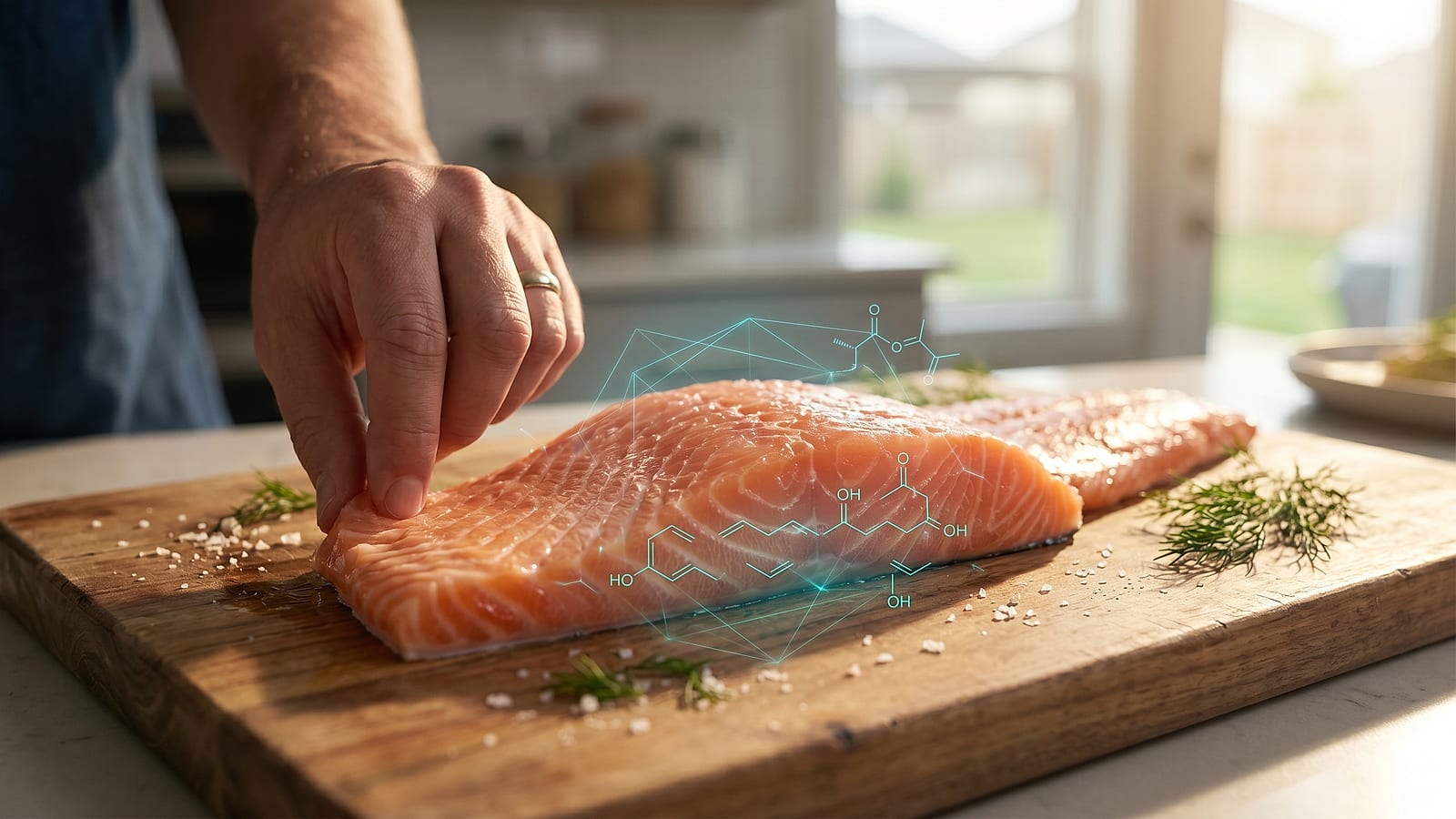
- What to eat: Wild-caught sockeye salmon or Atlantic mackerel. These small, cold-water fish have the lowest heavy metal levels and the highest natural EPA content.
- Exact dose: 150 grams (about 5.3 ounces) of cooked fish.
- Preparation: Bake or gently poach at temperatures below 350°F (175°C). This protects the delicate omega-3 fats from breaking down. Do not fry.
- Timing: Eat this meal at dinner, three times per week, for at least 4 weeks.
Move to the concentrated natural form
- What to use: Virgin, unrefined wild cod liver oil in liquid form, not capsules.
- Exact dose: 5 milliliters (1 teaspoon) daily. This provides roughly 500 mg of EPA and 350 mg of DHA in a form the body absorbs well.
- Timing: Take this within 30 minutes of waking up, on an empty stomach, alongside a small glass of warm lemon water. The lemon water helps trigger bile production, which improves absorption.
Optional: the supplement form
- Formulation: Look for a molecularly distilled ethyl ester or re-esterified triglyceride (rTG) fish oil concentrate. These are purified, concentrated forms of fish oil.
- Exact specifications: Look for at least 60% EPA concentration. The label must show at least 1,000 mg of EPA and no more than 300 mg of DHA per serving — a clear 3:1 ratio or higher.
- Dose and timing: Take 2 capsules daily, totaling 1,200 mg of pure EPA. Take them with your largest fat-containing meal — for example, one that includes avocado, eggs, or olive oil. Dietary fat helps activate the digestive enzymes that break down the oil.
- Duration: Follow this protocol for 3 weeks, then check in on your daily mood and focus levels.
When NOT to do this
Avoid high-dose EPA supplementation (above 1,000 mg daily) if you take prescription blood thinners such as Warfarin, Clopidogrel, or daily high-dose aspirin. Omega-3s naturally reduce the blood’s clotting ability, which can raise bleeding risk. Also stop use 14 days before any planned surgery or dental procedure. While omega-3s generally support heart and blood flow health, one analysis of 15 randomized trials (the strongest kind of study) found that omega-3 fatty acids may raise the risk of stroke specifically in patients who have already had a heart attack. Use with caution in that group. [PMID: 36103100]
Pro tip: Keep your liquid cod liver oil in the freezer. High-quality oils will not freeze solid. The cold temperature completely hides any fishy flavor while also preventing the oil from going rancid.
Frequently Asked Questions
Can I take this high-EPA protocol alongside my daily morning coffee?
Yes, but do not take your fish oil capsule with boiling hot coffee. Extreme heat can break down the softgel capsule and may damage the delicate omega-3 fats inside. Drink your coffee first, then take the supplement with a fat-containing breakfast.
What if I accidentally miss a day of the protocol — do I need to restart the 3 weeks?
No. Omega-3 fats build up gradually in the outer membranes of your red blood cells and brain cells over several weeks. Simply resume your regular dose the next day. Do not double the dose to make up for the missed day.
How does this 3:1 EPA-to-DHA protocol compare to taking a standard krill oil supplement?
Krill oil contains astaxanthin (a natural antioxidant) and phospholipids (fats the body absorbs easily), but the actual amount of EPA per capsule is very low — often under 150 mg. You would need to swallow 8 to 10 krill oil capsules daily to match the 1,200 mg EPA target in this protocol.
Is the supplement form absolutely necessary if I already eat wild salmon three times a week?
For general health, wild salmon is enough. However, if you are actively trying to address a mood slump or significant brain fog, the concentrated supplement may be necessary. It delivers a high, targeted dose of EPA — enough to cross the blood-brain barrier — without the competing fats found in whole fish.
Verified Sources
- Nourishing the Brain or the Mood? Dietary Omega-3s for Psychological, but Not Cognitive Health. — Nutrients, 2025 (PMID 41515168)
- Disentangling the Molecular Mechanisms of the Antidepressant Activity of Omega-3 Polyunsaturated Fatty Acid: A Comprehensive Review of the Literature. — International journal of molecular sciences, 2021 (PMID 33922396)
- Efficacy and Safety of Omega-3 Fatty Acids in the Prevention of Cardiovascular Disease: A Systematic Review and Meta-analysis. — Cardiovascular drugs and therapy, 2024 (PMID 36103100)
- Omega-3 Supplementation and the Neural Correlates of Negative Affect and Impulsivity: A Double-Blind, Randomized, Placebo-Controlled Trial in Midlife Adults. — Psychosomatic medicine, 2017 (PMID 28121722)
- Mechanistic insights into cardiovascular protection for omega-3 fatty acids and their bioactive lipid metabolites. — European heart journal supplements : journal of the European Society of Cardiology, 2020 (PMID 33061864)
Bloated, tired, foggy, or fighting cravings?
Get The Gut Reset free — a science-backed guide to go from “off” to clear, light and energized. Drop your email and we’ll send it straight to your inbox.
No spam. Unsubscribe anytime. Educational content, not medical advice.