They’re calling it ‘nature’s Ozempic’ — here’s what berberine really does for your blood sugar
You’ve probably seen it all over your feed: a yellow plant compound being sold as “nature’s Ozempic.” The hype is loud, the claims are huge, and your scroll is full of before-and-afters. So let’s do something different and just be honest — because berberine is genuinely interesting, and you deserve to know what it really does before you spend a cent.
If you’re watching your blood sugar, fighting belly weight that won’t move, or were told your numbers are “creeping up,” this is for you. By the end you’ll know exactly what the science supports, how to take it, and the catch nobody mentions.
What berberine actually does
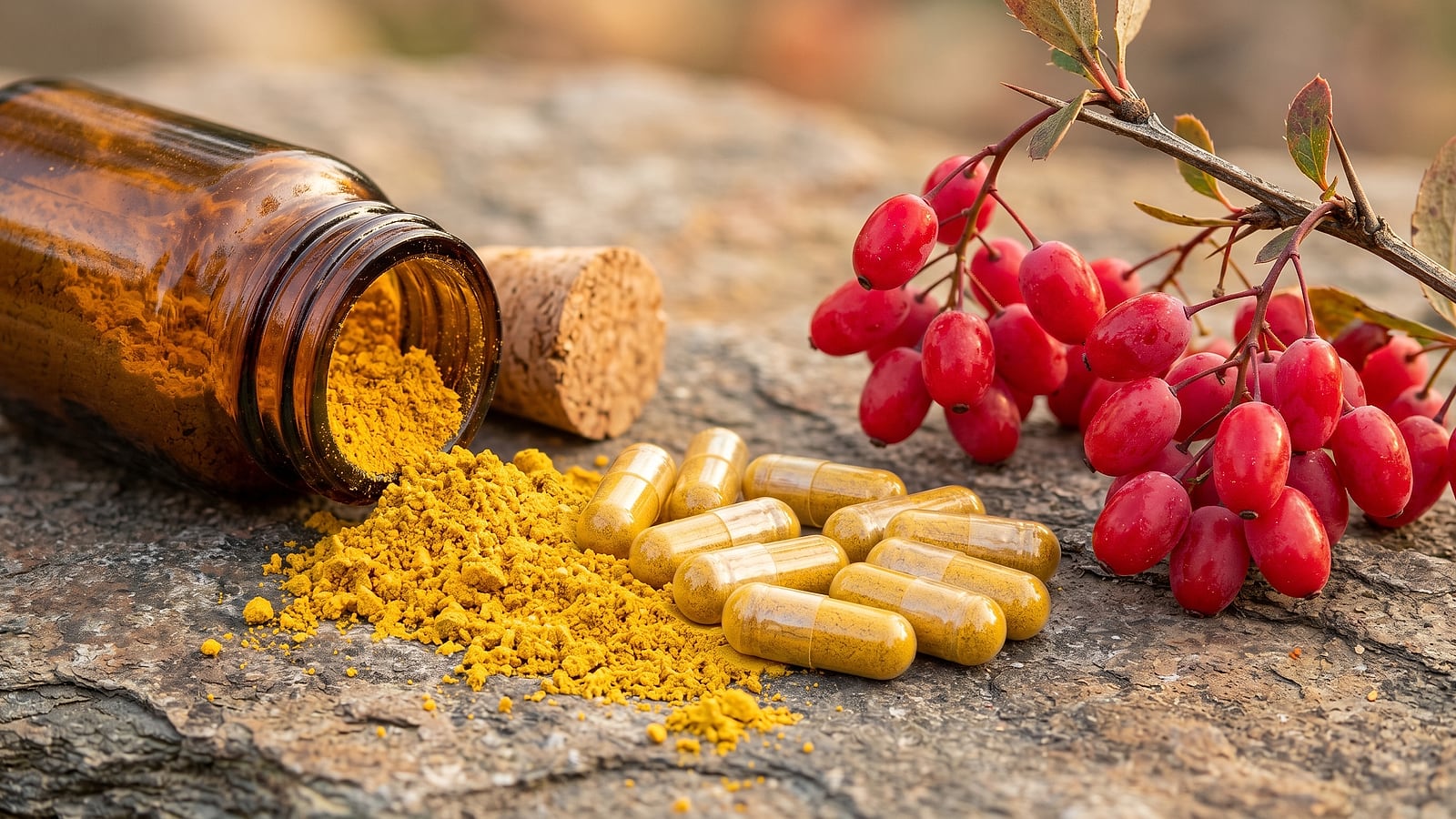
Berberine is a compound found in plants like barberry and goldenseal, used for centuries in traditional medicine. And unlike most “miracle” supplements, it has real human trials behind it. A meta-analysis of multiple studies found berberine meaningfully lowers blood sugar in people with type 2 diabetes — and also improves cholesterol and blood pressure [PMID: 25498346]. An earlier trial found its effect on blood sugar was comparable to a common first-line diabetes drug in some measures [PMID: 18442638].
How? It switches on an enzyme inside your cells called AMPK — sometimes nicknamed your “metabolic master switch” — which helps your cells pull sugar out of the blood and use it for energy. It also works on the root problem behind creeping blood sugar and stubborn weight: insulin resistance [PMID: 37298967].
The honest catch — read this before you buy
Now the part the ads skip. First: berberine is NOT Ozempic. They work in completely different ways, and berberine is gentler and less powerful — calling it “nature’s Ozempic” oversells it. Second: it’s poorly absorbed, so the form and dose matter. Third — and most important — it can interact with medications, especially if you already take something for blood sugar, because together they can push your sugar too low. This is not a casual supplement.
How to use it, step by step
- The dose the studies used: about 500 mg, two to three times a day, with meals [PMID: 18442638].
- Why with meals: taking it just before or with food is when it works on the post-meal sugar spike — and it’s easier on your stomach.
- Give it weeks: berberine works gradually, not overnight. The trials ran for several weeks to months.
- Pair it, don’t replace: it works best alongside fewer refined carbs, more fiber and a daily walk — not instead of them.
How to know it’s working
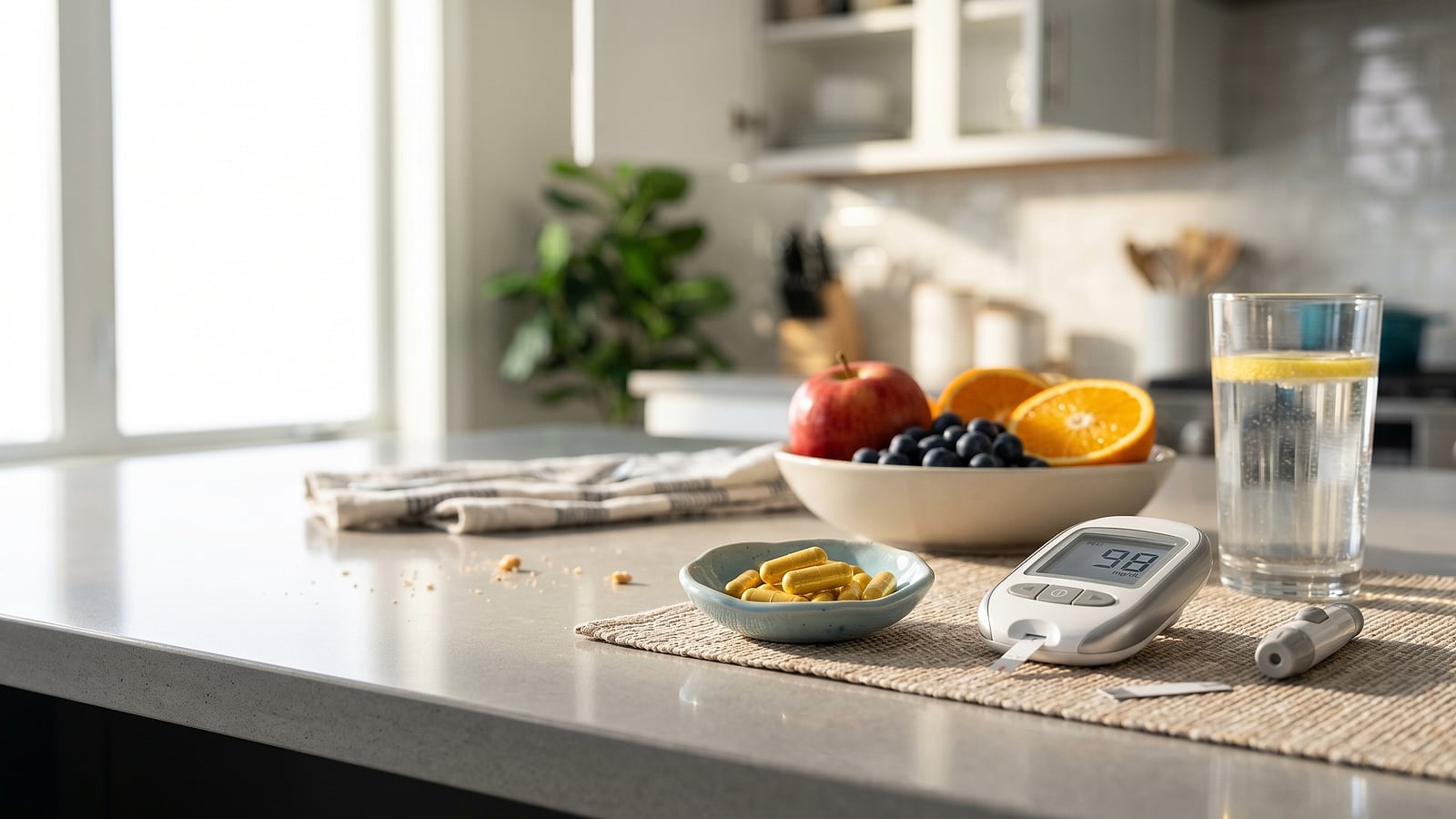
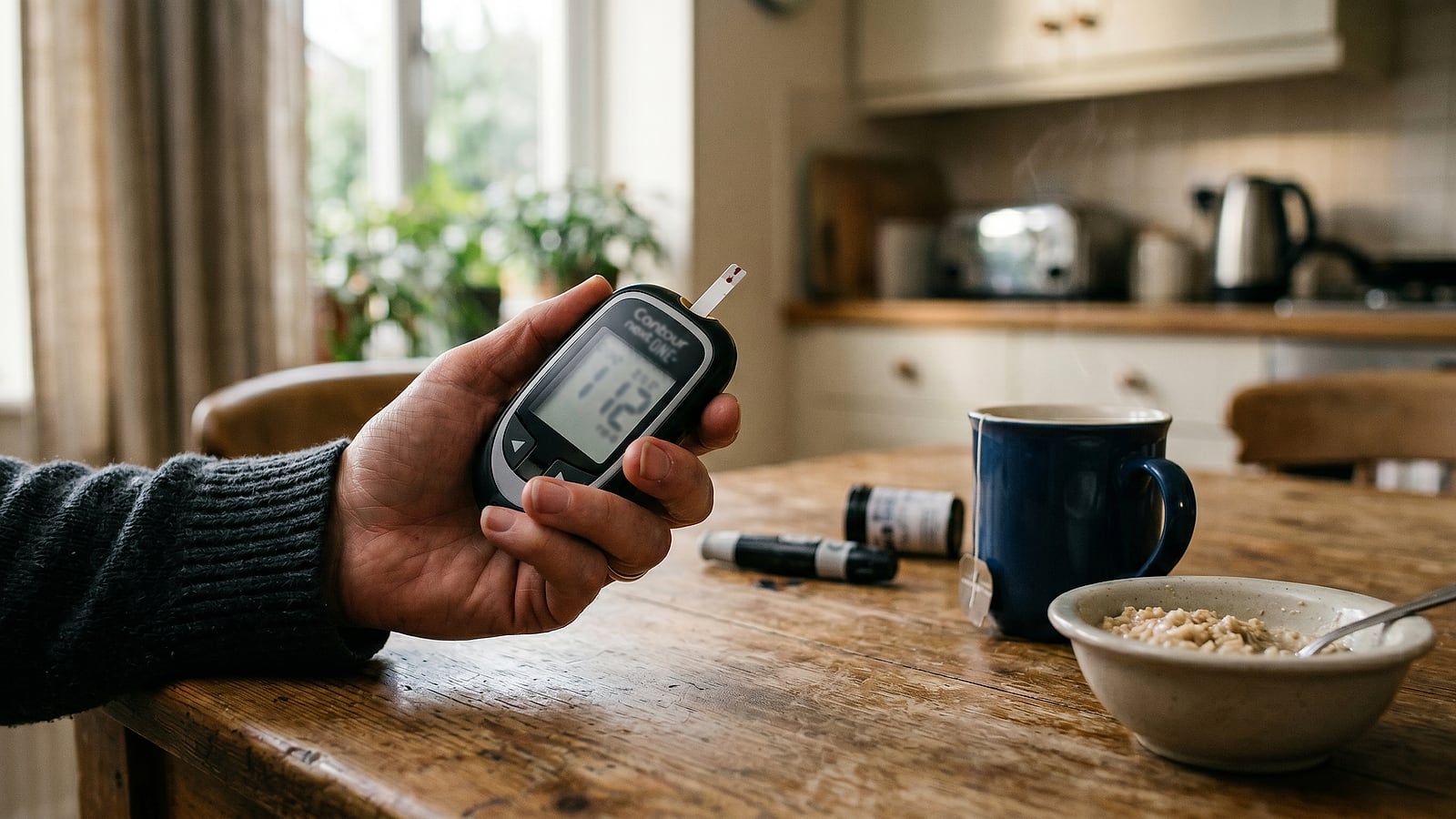
If you use a glucose meter, the clearest sign is steadier numbers after meals and a lower fasting reading over a few weeks. Without a meter, many people notice fewer energy crashes and fewer cravings — the everyday face of steadier blood sugar.
What if it’s not for you
Talk to your doctor first if you take any blood-sugar medication, are pregnant or breastfeeding, or take other prescriptions — berberine interacts with several. The most common side effect is digestive upset, which usually eases if you start low and take it with food. And if your numbers are genuinely high, berberine is a support, not a substitute for medical care.
Where this could leave you
Realistically: not a miracle, but a real, evidence-backed tool. Used correctly, alongside the basics, berberine can help nudge your blood sugar, cravings and energy in the right direction — the quiet, steady win the hype never actually promises honestly.
Frequently Asked Questions
Is berberine really like Ozempic?
No. They work through entirely different mechanisms, and berberine is far gentler and less powerful. It has real benefits for blood sugar [PMID: 25498346], but the “nature’s Ozempic” label oversells it.
How much berberine should I take?
The trials used about 500 mg, two to three times a day with meals [PMID: 18442638]. Start at the lower end to check tolerance, and never combine it with blood-sugar medication without your doctor.
How long until it works?
It works gradually over weeks, not days. Give it a few weeks and track your numbers or your energy and cravings to see the change.
Verified Sources
- Meta-analysis of the effect and safety of berberine in the treatment of type 2 diabetes mellitus, hyperlipemia and hypertension. — Journal of Ethnopharmacology, 2015 (PMID 25498346)
- Efficacy of berberine in patients with type 2 diabetes mellitus. — Metabolism, 2008 (PMID 18442638)
- A Descriptive Review of the Action Mechanisms of Berberine, Quercetin and Silymarin on Insulin Resistance/Hyperinsulinemia and Cardiovascular Prevention. — Molecules, 2023 (PMID 37298967)
Crashing every afternoon? Tired but wired?
Get The 3 PM Crash Killer free — a science-backed guide to steady, all-day energy without more caffeine. Drop your email and we’ll send it straight to your inbox.
No spam. Unsubscribe anytime. Educational content, not medical advice.
professional before changing your diet, supplements, or treatment. These statements have not been
evaluated by the Food and Drug Administration and are not intended to diagnose, treat, cure, or prevent any disease.