Your grandmother’s spice cabinet was a pharmacy — and 2025 lab work finally proved what she never got to explain
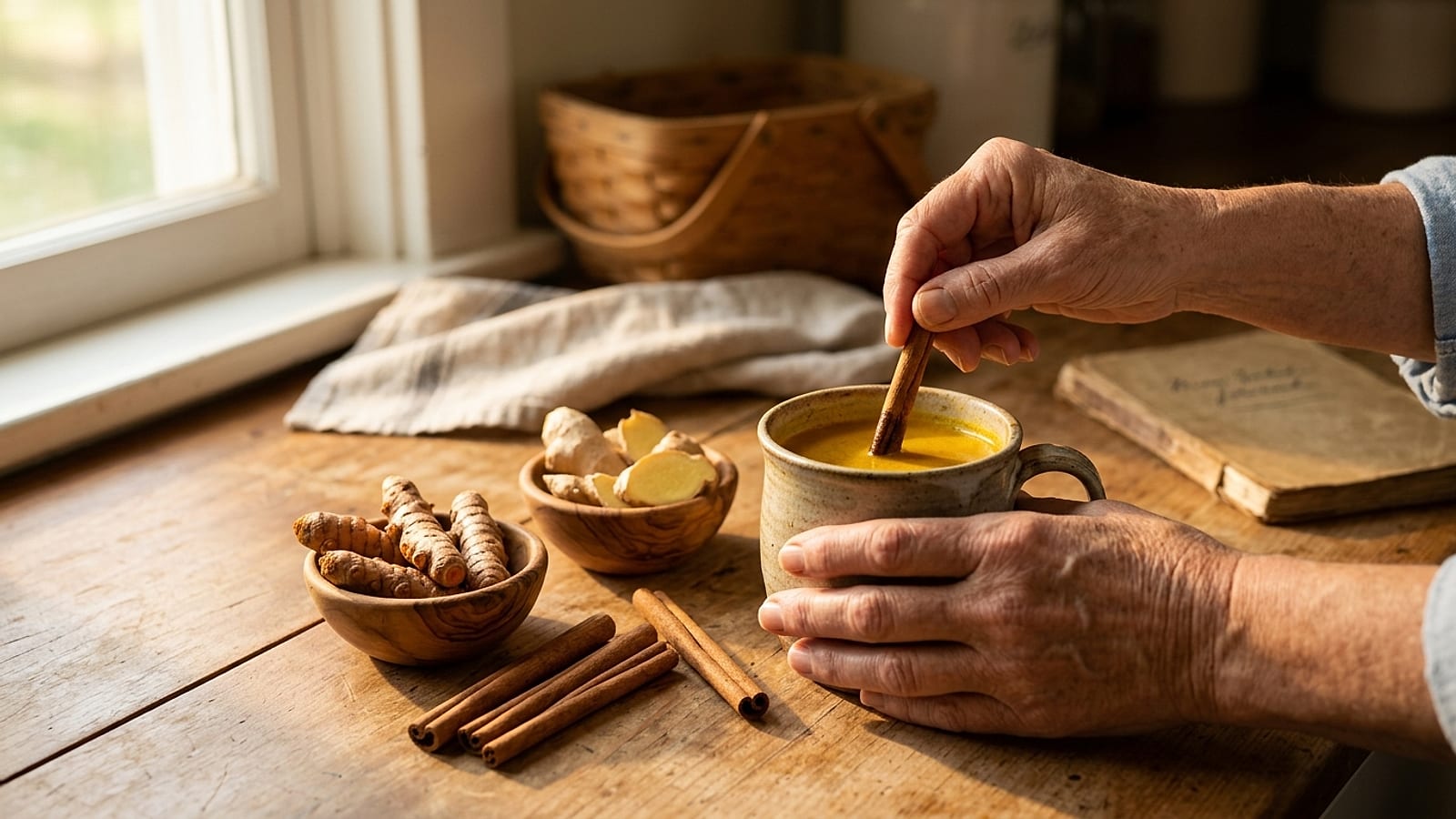
Many of us carry a sensory memory of a grandmother’s kitchen: the sharp, earthy aroma of grated ginger, the golden stain of turmeric on a wooden spoon, or the sweet warmth of cinnamon steeping on the stove. These kitchen staples were treated as a household pharmacy, dispensed with an intuitive confidence that bypassed formal medical training. For decades, modern clinical settings dismissed these kitchen rituals as mere placebo or comforting folklore, lacking the rigorous mechanistic validation required by western standards.
That narrative changed when molecular research decoded how these exact spices interface with human biochemistry. By the end of this article, you will understand how these three kitchen staples modulate metabolic and inflammatory pathways, and you will learn a precise, clinically backed 12-week protocol to safely integrate their therapeutic compounds into your daily routine.
Why This Matters Today
Today, metabolic dysfunction is a silent epidemic. Prolonged low-grade inflammation is no longer viewed as a localized symptom, but as the underlying driver of metabolic syndrome, a cluster of conditions that currently affects more than 25% of the global adult population [36555184]. As our modern diets and sedentary habits continually trigger our immune systems, the body remains in a chronic state of alarm, disrupting insulin sensitivity and lipid regulation. While pharmaceutical interventions remain necessary for advanced disease states, there is a growing, urgent demand for accessible, daily lifestyle interventions that can support these pathways before irreversible damage occurs. Clinical trials are now demonstrating that culinary spices, when administered in therapeutic, standardized doses, can significantly modulate blood glucose and lipid profiles in individuals struggling with metabolic imbalances [38892617]. By examining these traditional remedies through the lens of modern molecular biology, we can reclaim our grandmothers’ wisdom not as superstition, but as highly targeted biochemistry. Let us explore the precise cellular mechanisms that make these ancient spices so effective.

The Science Behind It
At the molecular level, the primary driver of chronic metabolic dysfunction is the activation of pro-inflammatory transcription factors, most notably Nuclear Factor-kappa B (NF-κB). When NF-κB is chronically activated, it triggers a cascade of inflammatory cytokines that interfere with insulin signaling in adipose and muscle tissues, contributing to weight gain and metabolic syndrome [20420526]. Curcumin, the primary active polyphenol in turmeric, directly interrupts this cascade. It blocks the phosphorylation of key signaling proteins, thereby preventing NF-κB from entering the cell nucleus and halting the transcription of inflammatory genes. This mechanism is associated with helping reduce the low-grade cellular inflammation that drives metabolic syndrome.
Simultaneously, ginger (Zingiber officinale) acts as a multi-target modulator of both inflammatory and metabolic pathways. The active compounds in ginger, specifically gingerols and shogaols, interact directly with peroxisome proliferator-activated receptors (PPARs), which regulate lipid metabolism and glucose homeostasis [36555184]. By activating PPAR-gamma, ginger may help support insulin sensitivity in a manner structurally similar to certain class-specific metabolic medications. Furthermore, ginger inhibits the cyclooxygenase (COX) enzymes, reducing the synthesis of pro-inflammatory prostaglandins that otherwise damage vascular linings.
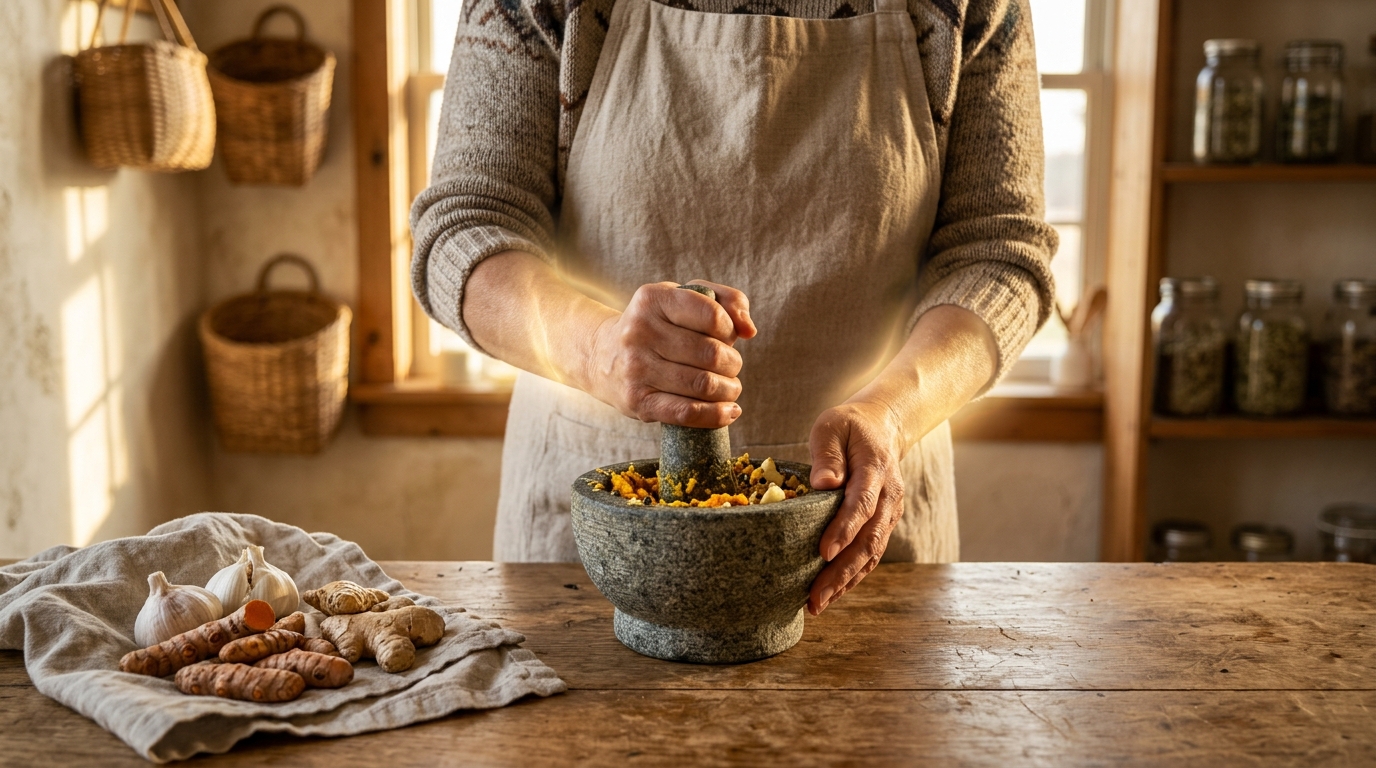
Cinnamon completes this metabolic triad by targeting the physical transport of glucose into cells. Cinnamon contains water-soluble polyphenol polymers that mimic insulin, auto-phosphorylating the insulin receptor and activating glucose transporter 4 (GLUT4) translocation in skeletal muscle. At the same time, cinnamon essential oils have been shown to modulate cellular stress by enhancing heat shock protein 70 (HSP70) expression and boosting crucial endogenous antioxidants like catalase and glutathione peroxidase [39346697]. This multi-pronged defense may help protect delicate pancreatic beta cells from oxidative stress, supporting sustained insulin production and better glycemic control over time.
The Complete Protocol
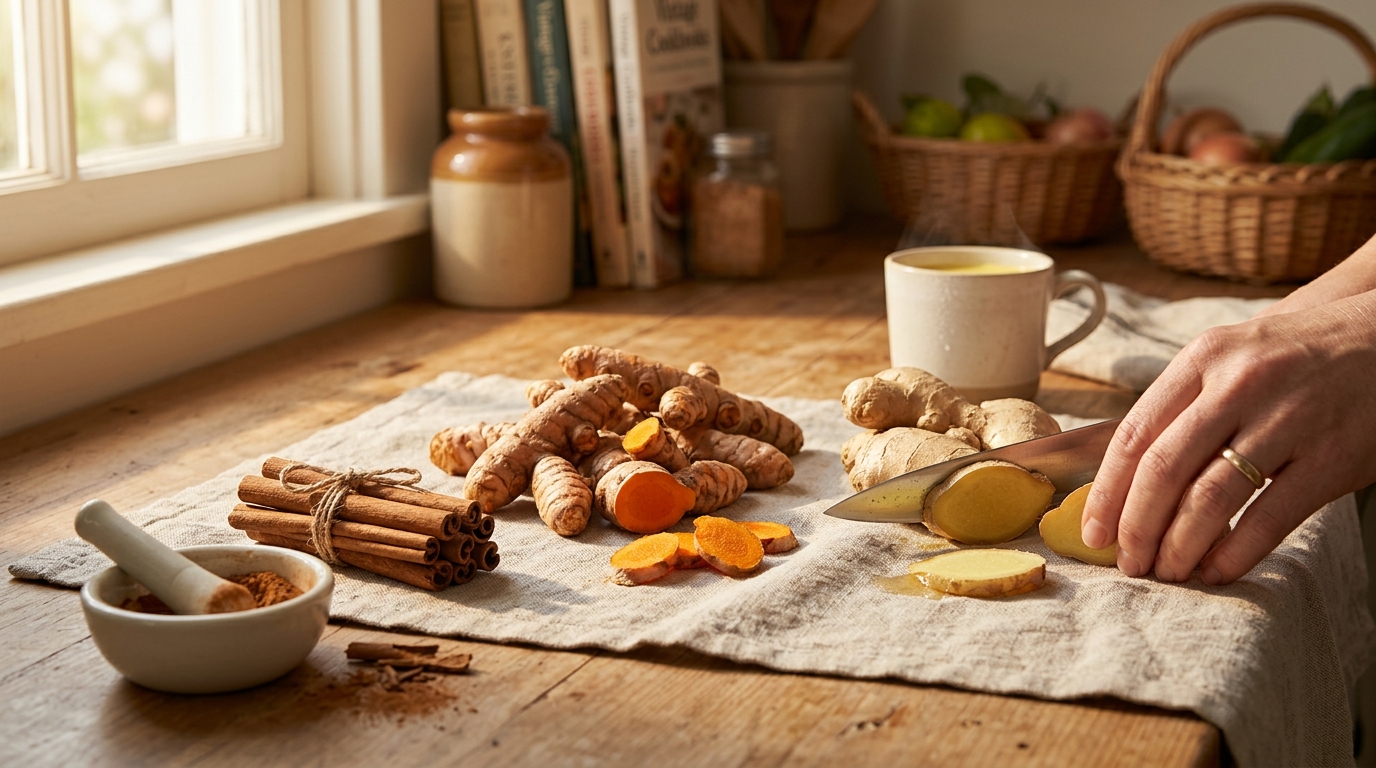
Start with the food source
- Fresh Ginger Infusion: Grate exactly 5 grams (approximately 1 teaspoon) of fresh, organic ginger root and steep it in 8 ounces of boiling water for 10 minutes. Drink this warm infusion within 30 minutes of waking on an empty stomach to stimulate digestive enzymes and improve insulin sensitivity.
- Ceylon Cinnamon: Stir exactly 2 grams (approximately 1/2 teaspoon) of authentic Ceylon cinnamon powder into your morning meal, such as oatmeal or plain yogurt, daily for 12 weeks. Ceylon is preferred over Cassia to avoid high levels of coumarin.
Move to the concentrated natural form
- Standardized Ginger Extract: Consume 500 milligrams of standardized ginger extract (minimum 5% gingerols) twice daily, taken with lunch and dinner.
- Turmeric Paste: Combine 1,000 milligrams of organic turmeric powder with 1 tablespoon of extra virgin olive oil or coconut oil.
Curcumin is highly lipophilic (fat-soluble) and has low bioavailability on its own. Always consume turmeric with a source of healthy dietary fat and a pinch of black pepper, which contains piperine, to increase absorption by up to 2,000%.
Optional: the supplement form
- Standardized Curcumin: Take 500 milligrams of turmeric extract standardized to 95% curcuminoids twice daily with fat-containing meals.
- Water-Soluble Cinnamon Extract: Take 500 milligrams of a water-soluble cinnamon extract standardized to 8% flavonoids once daily before your largest, most carbohydrate-heavy meal. Maintain this regimen consistently for 12 weeks [38892617].
When NOT to do this
Do not use therapeutic doses of ginger or turmeric if you are taking prescription blood thinners (like warfarin) or have an upcoming surgery within 14 days, as both spices possess mild antiplatelet properties. Avoid high-dose cinnamon if you have severe hepatic impairment, and consult your physician if you are pregnant or taking insulin, as these spices can synergistically lower blood glucose and require medication adjustments.
Frequently Asked Questions
Can I combine this protocol with apple cider vinegar?
Yes, you can combine this protocol with apple cider vinegar (ACV). Taking 1 tablespoon of ACV diluted in water before your largest meal works synergistically with cinnamon to slow gastric emptying and improve postprandial insulin sensitivity. However, if you have a sensitive stomach, introduce them separately to monitor for mild acid reflux.
What should I do if I miss a day of the protocol?
If you miss a day, simply resume the protocol the following day at your next scheduled dose. Do not double the dose of supplements or spices to make up for the missed day, as excessive amounts of ginger can cause mild heartburn, and excessive cinnamon can irritate the gastric lining.
How does this spice protocol compare to taking Metformin?
While prescription medications like Metformin are highly potent and targeted single-agent drugs for diabetes, this spice protocol works via multi-pathway modulation. Evidence suggests it may support insulin sensitivity and reduce systemic inflammation through multiple compounds [36555184]. It should be viewed as a preventative lifestyle practice, not a direct pharmaceutical replacement.
Why does the timeline span 12 weeks if I feel better in 5 days?
Initial cellular changes and digestive improvements happen rapidly, but structural metabolic shifts take time. Clinical trials demonstrating significant improvements in fasting blood glucose and lipid profiles require 12 weeks of consistent daily intake to allow red blood cells to cycle and systemic inflammatory markers to stabilize [38892617].
Is the supplement form necessary if I cook with these spices daily?
Cooking with these spices daily provides excellent long-term health benefits, but culinary amounts rarely reach the highly concentrated therapeutic doses (like 95% standardized curcuminoids) used in clinical trials to reverse metabolic syndrome markers [20420526]. Supplements ensure consistent, measured, bioavailable doses for active intervention.
Verified Sources
- Effects of turmeric, ginger, cinnamon, and garlic essential oils on HSP70, NFκB, oxidative DNA damage, inflammatory cytokines, and oxidative markers in broiler chickens. — Translational animal science, 2024 (PMID 39346697)
- Zingiber officinale Rosc. in the Treatment of Metabolic Syndrome Disorders-A Review of In Vivo Studies. — International journal of molecular sciences, 2022 (PMID 36555184)
- The Effect of Therapeutic Doses of Culinary Spices in Metabolic Syndrome: A Randomized Controlled Trial. — Nutrients, 2024 (PMID 38892617)
- Targeting inflammation-induced obesity and metabolic diseases by curcumin and other nutraceuticals. — Annual review of nutrition, 2010 (PMID 20420526)
Bloated, tired, foggy, or fighting cravings?
Get The Gut Reset free — a science-backed guide to go from “off” to clear, light and energized. Drop your email and we’ll send it straight to your inbox.
No spam. Unsubscribe anytime. Educational content, not medical advice.