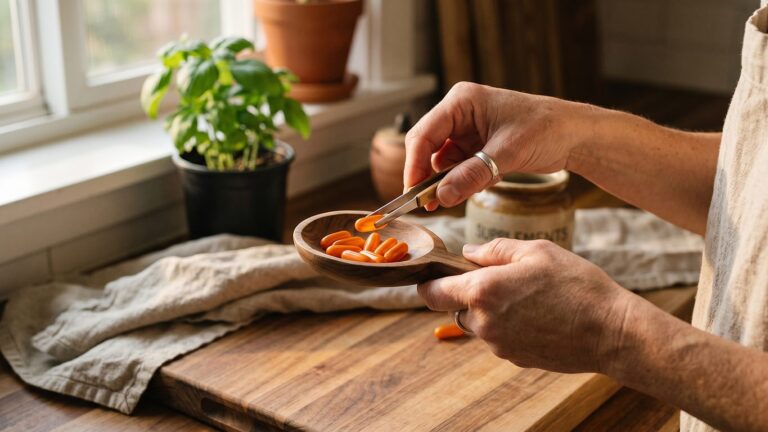

What almost nobody knows about spermidine is how this daily compound forces aging immune cells to start acting young again.
Think your immune decline is an inevitable part of getting older? It’s not. Spermidine is a natural compound found in many foods. Research suggests it may help aging immune cells work more like younger ones — without expensive therapies.
Many people assume zinc and vitamin C are the best tools for a strong immune system. But research on how cells clean themselves points in a different direction. By the end of this article, you will know a 4-week spermidine food-and-supplement plan. It may help your oldest, most sluggish white blood cells clear out their own internal waste — supporting your defenses from the inside out.
Why This Matters Today
Your immune system doesn’t just get tired as you age — it gets cluttered. After about age 40, key immune cells called T-cells and macrophages lose their ability to clean themselves efficiently. They become senescent (worn-out and stuck), lingering like broken machinery that constantly leaks inflammatory signals into your blood.
People who get hit hardest by seasonal illness often have high levels of this kind of chronic, low-grade inflammation. Most people try to fix this with synthetic immune boosters or trendy herbal syrups. But the real answer may lie in our body’s own chemistry.
Studies that followed large groups of people over many years show that keeping natural polyamine levels high is linked to meaningful health benefits. Polyamines are a family of small molecules your body both makes and gets from food. In one large study that tracked thousands of people over several years, researchers found that deaths from all causes dropped by more than fifty percent when comparing people with the highest dietary spermidine intake to those with the lowest [PMID: 29955838]. Specifically, deaths per 1,000 person-years fell from 40.5 down to 15.1. That is not a small statistical blip. It is a striking survival difference. If we can keep our cells clean, we may help keep our immune defenses responsive. Let’s look at the cell-level process that makes this possible.
The Science Behind It
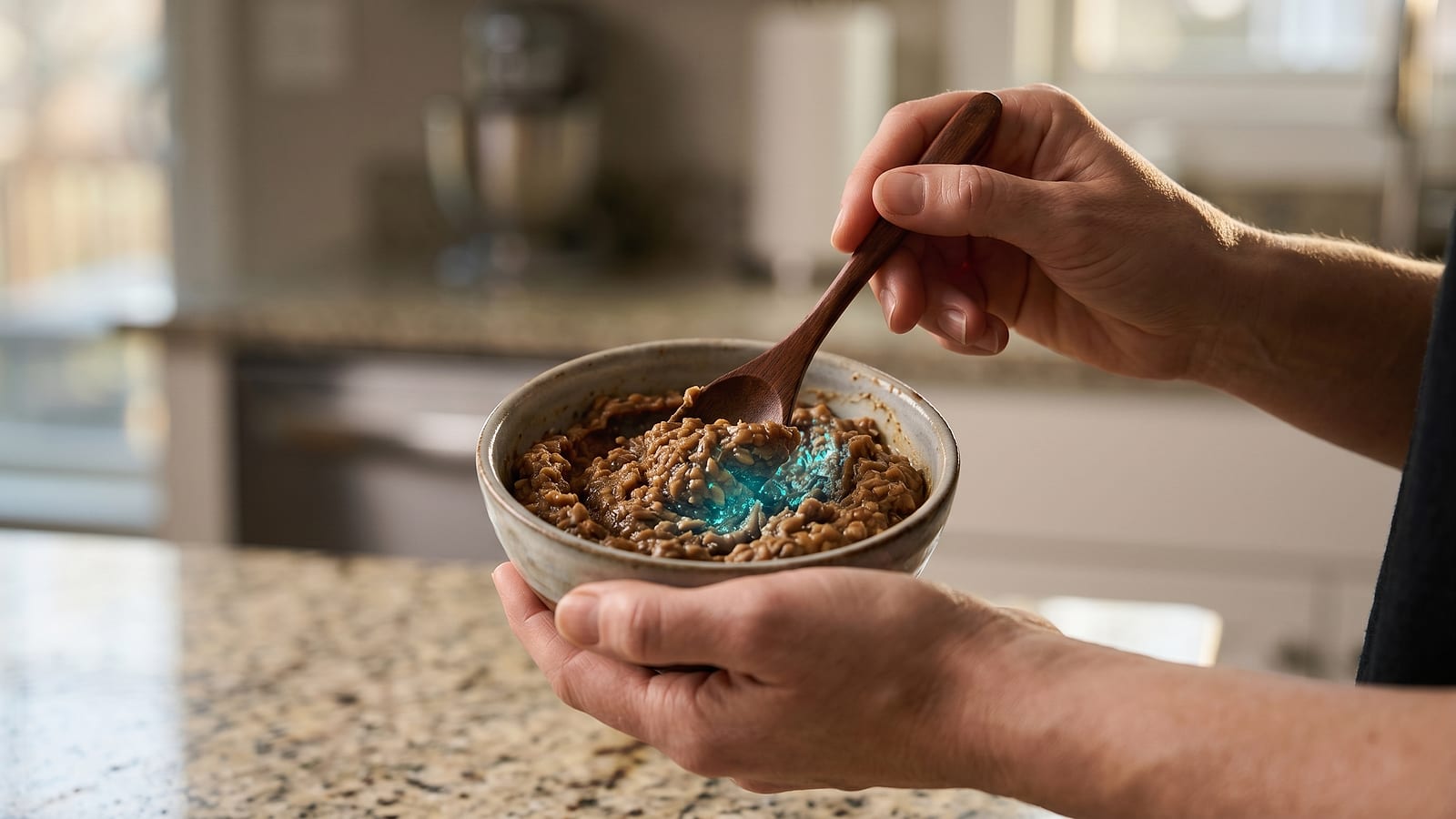
To understand how spermidine works, we need to look at how cells clean themselves. Every day, your immune cells build up broken proteins and worn-out mitochondria (the tiny power generators inside cells). Think of it like a busy restaurant kitchen where the staff never takes out the garbage. Eventually, the kitchen shuts down.
Lab and animal studies reviewed in one narrative review suggest that spermidine may promote autophagy (the cell’s self-cleaning process) as its main pathway. The review also points to other possible mechanisms, including calming inflammation and improving how cells handle fats. The authors note these mechanisms are not yet fully understood. [PMID: 24481223] Evidence suggests spermidine may help worn-out immune cells break down and recycle their own internal waste. This is linked to better energy use inside the cell and may help those cells respond to germs more effectively.
But the effects may go beyond just clearing trash. Spermidine may also change how immune cells respond to stress. One 2025 study using animals and lab models — with supporting data from human observations — suggests a possible mechanism: spermidine may reduce harmful newborn inflammation by promoting a specific type of immune-calming cell through a molecular pathway called eIF5A hypusination. This has not yet been confirmed in human clinical trials. [PMID: 40166929] In plain terms, spermidine doesn’t just blindly ramp up your immune system — which could trigger autoimmune flares. Instead, it may actively balance and calm states of excess inflammation. It may help tell the body when to fight and when to stand down.
For years, scientists viewed polyamines as simple growth factors. We now know that spermidine is a highly specialized molecule. It may play an important role in how white blood cells organize their defenses [PMID: 37723019]. Without enough of it, the immune system goes through a slow, steady decline known as immunosenescence (age-related weakening of immune function), leaving us more vulnerable to illness.
What is even more interesting is how this cellular cleanup may affect other systems. Clearing up immune cells may reduce the overall inflammatory burden on the brain and blood vessels. One 12-month randomized controlled trial (the SmartAge trial — the strongest kind of study) found that spermidine supplementation did not significantly improve memory performance or biological markers compared to a placebo in older adults with subjective cognitive decline. In the study, it did not work better than a placebo on the main memory measures. Exploratory analyses suggested possible effects on verbal memory and inflammation, but these results need to be confirmed in future studies. [PMID: 35616942]
The Complete Protocol
Start with the food source
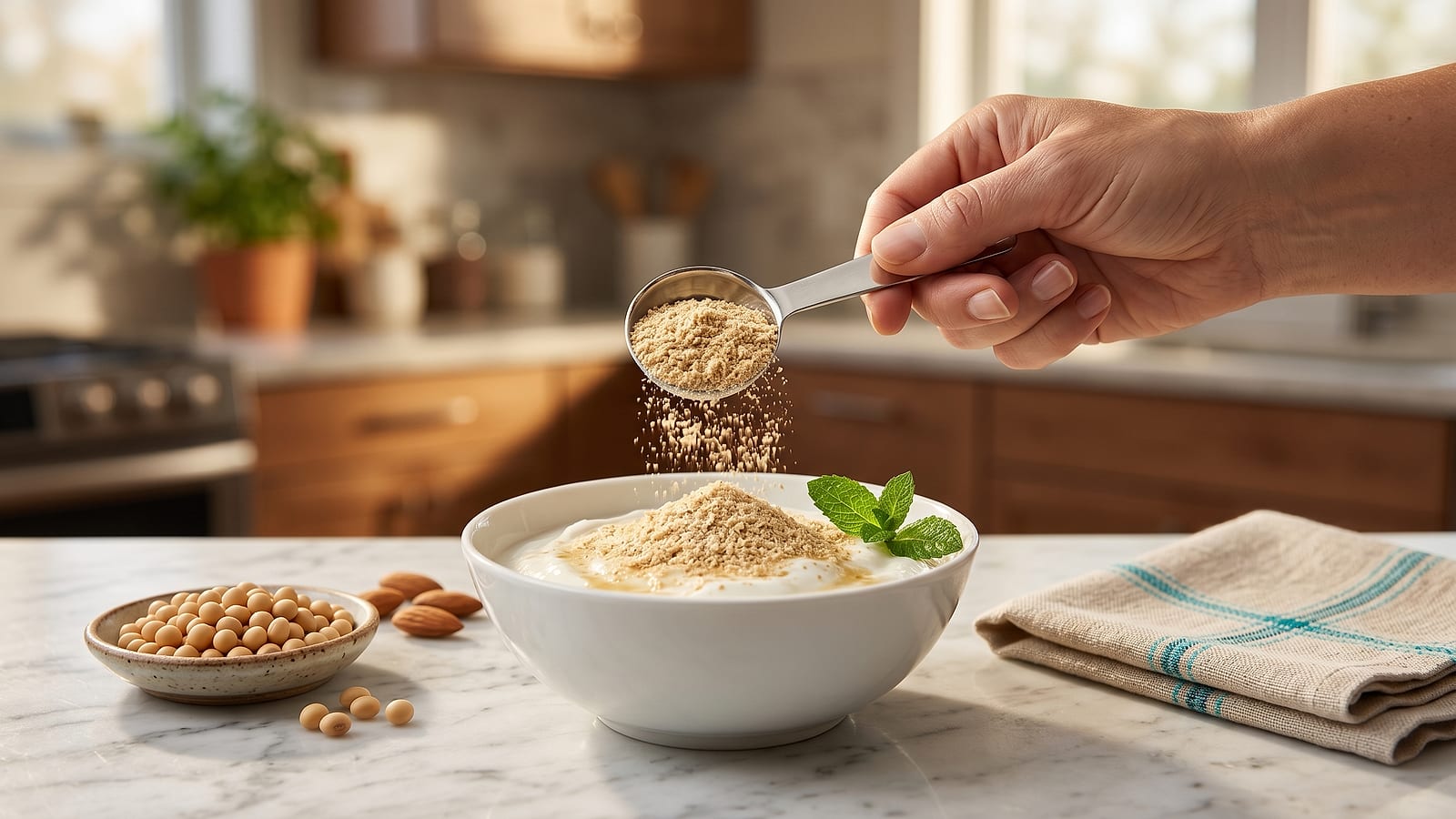
Build your foundation by eating spermidine-rich whole foods. The single richest dietary source is raw wheat germ. Eat exactly 30 grams daily (about two tablespoons) of raw, unheated wheat germ. Do not cook or bake it — high heat breaks down the delicate polyamines.
Instead, stir it into cold yogurt or sprinkle it over a raw salad. Eat it within 30 minutes of waking, on an empty stomach, to help your intestines absorb it well. If you are sensitive to wheat, use 100 grams of aged cheddar cheese or 150 grams of cooked green peas instead.
Move to the concentrated natural form
Once your body tolerates the food sources, add a concentrated natural extract. You can use a standardized fermented wheat germ extract or concentrated Chlorella powder. Aim for 800 milligrams of high-density Chlorella pyrenoidosa daily — a type of green algae naturally rich in active polyamines.
Mix the powder into 6 ounces of room-temperature water. Take it at 12:00 PM, midway between breakfast and lunch, to keep steady levels in your blood during your active hours.
Optional: the supplement form
If you choose to take a supplement, look for synthetic or concentrated wheat germ extract capsules. Make sure the label states a minimum of 1% standardized spermidine content per capsule. The target dose is 2 milligrams of pure spermidine per day.
Take the capsule with a meal that contains healthy fats — such as half an avocado or a teaspoon of extra virgin olive oil. Fat may help your body absorb and transport the compound more effectively.
When NOT to do this
Do not start this protocol if you have diagnosed celiac disease or a severe wheat allergy, since most natural sources are wheat-derived. Also, because polyamines are involved in cell growth, anyone with an active cancer diagnosis or currently undergoing chemotherapy must avoid spermidine supplementation unless their oncologist specifically approves it.
Pro Tip: Keep a daily journal to track your morning mental clarity and energy levels. The earliest changes people notice are often mental, not physical.
Follow this protocol for 4 weeks, then reassess.
Frequently Asked Questions
Can I combine this protocol with intermittent fasting?
Yes, and it may be worth trying. Intermittent fasting already triggers autophagy (the cell’s self-cleaning process). Taking your spermidine dose at the end of your fast may create a combined effect, potentially speeding up the removal of worn-out immune cells more than fasting alone.
What if I miss a day of the protocol — do I need to restart?
No, do not restart. The body’s polyamine stores deplete slowly over several days. If you miss a day, simply pick up at your next scheduled dose. There is no need to double up, since your intestines can only absorb a limited amount at one time.
How does this compare to taking high-dose Vitamin C for immunity?
Vitamin C is an antioxidant. It neutralizes harmful molecules called free radicals outside the cell. It does not address the internal, structural breakdown happening inside your cells. Spermidine may support the cell’s internal cleanup machinery through autophagy, making it a potentially more thorough approach to slowing immune aging over the long term.
Is the supplement form necessary if I eat wheat germ daily?
No, it is not. If you consistently eat 30 grams of high-quality raw wheat germ every day, you are already reaching the target intake level. Supplements are simply a convenient, gluten-free option for people who travel often or cannot tolerate wheat.
Verified Sources
- Spermidine – an old molecule with a new age-defying immune function. — Trends in cell biology, 2024 (PMID 37723019)
- Molecular basis of the 'anti-aging' effect of spermidine and other natural polyamines – a mini-review. — Gerontology, 2014 (PMID 24481223)
- Effects of Spermidine Supplementation on Cognition and Biomarkers in Older Adults With Subjective Cognitive Decline: A Randomized Clinical Trial. — JAMA network open, 2022 (PMID 35616942)
- Higher spermidine intake is linked to lower mortality: a prospective population-based study. — The American journal of clinical nutrition, 2018 (PMID 29955838)
- Spermidine restricts neonatal inflammation via metabolic shaping of polymorphonuclear myeloid-derived suppressor cells. — The Journal of clinical investigation, 2025 (PMID 40166929)
Bloated, tired, foggy, or fighting cravings?
Get The Gut Reset free — a science-backed guide to go from “off” to clear, light and energized. Drop your email and we’ll send it straight to your inbox.
No spam. Unsubscribe anytime. Educational content, not medical advice.