
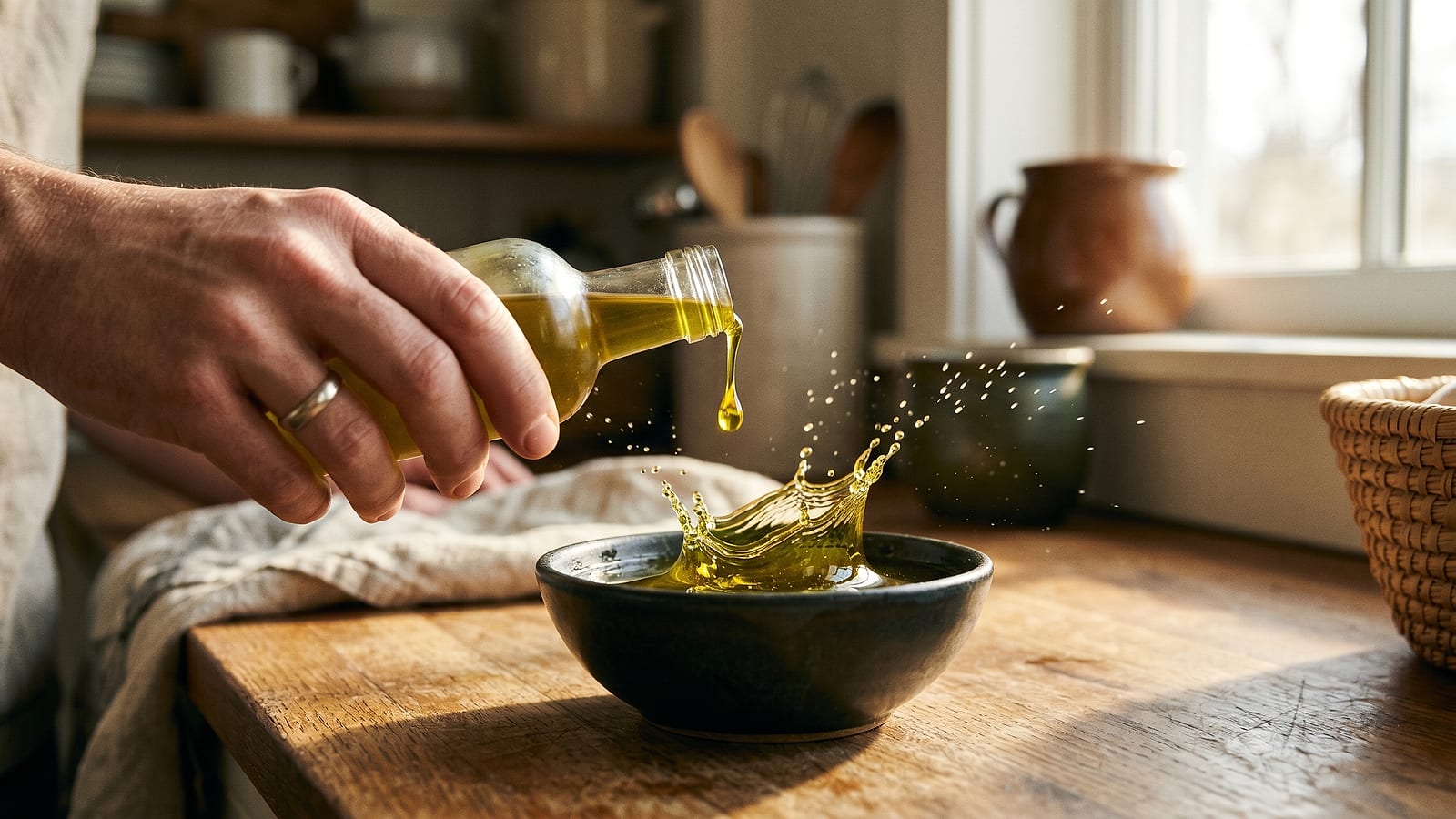
The peppery kick in real olive oil is a natural anti-inflammatory your great-grandparents drank by the spoonful — and science just caught up
If you grew up in a traditional Mediterranean or Latin home, you probably remember a grandparent keeping a dark glass bottle of olive oil near the stove. They didn’t just cook with it. They used it as a medicine, giving you a spoonful when you felt run down or sore. That sharp, peppery sting in the back of your throat was always the sign of the good stuff.
It turns out those old home remedies weren’t just folklore. By the end of this guide, you’ll know what causes that throat burn and why it matters. You’ll also learn how to use olive oil as part of a daily routine to support your heart and blood flow.
Why This Matters Today
Many foods labeled “heart-healthy” have had their natural protective compounds removed during processing. Modern research tells a different story about real olive oil. A review that combined results from many studies found that high-polyphenol olive oil significantly improved several heart-health markers — including harmful LDL cholesterol (a type of fat in the blood that can clog arteries) and HDL cholesterol (the protective kind) — compared to low-polyphenol oils [PMID: 29708409].
A separate randomized, controlled cross-over trial (one of the strongest kinds of studies, where participants try both options in a set order) in healthy adults found that drinking high-polyphenol extra virgin olive oil daily was linked to lower levels of oxidized LDL (damaged cholesterol that harms arteries) and higher total antioxidant capacity within three weeks [PMID: 34716791]. Traditional use of high-polyphenol oils lines up with this growing body of research.
This isn’t just about avoiding bad fats. It’s about actively putting protective plant compounds into your bloodstream.

The Science Behind It
When you swallow a high-quality extra virgin olive oil, that scratchy feeling in the back of your throat comes from a molecule called oleocanthal. This natural compound has been studied for its ability to calm inflammation (reduce the body’s overactive inflammatory response). Traditional cultures have long favored oils that produce this throat sensation.
Oleocanthal is thought to block enzymes called COX enzymes — the same pathway targeted by ibuprofen. However, whether this effect is significant at the amounts people normally eat is still being studied. By potentially slowing these enzymes, high-polyphenol olive oil may help reduce inflammatory signals that can damage the inner lining of your blood vessels.
To understand the heart benefit, we need to look at the endothelium (the thin layer of cells lining your blood vessels). When this lining is damaged, plaque can build up and arteries can stiffen. A randomized, controlled cross-over trial found that high-polyphenol extra virgin olive oil was linked to a meaningful drop in systolic blood pressure (the top number in a blood pressure reading) of about 2.5–2.7 mmHg in healthy adults. However, the same study found no significant difference between high- and low-polyphenol oils for arterial stiffness (how rigid the artery walls are) [PMID: 32751219]. Research also suggests that olive oil polyphenols may support nitric oxide pathways, which help blood vessels relax and widen — though exactly how this works in humans needs more study.
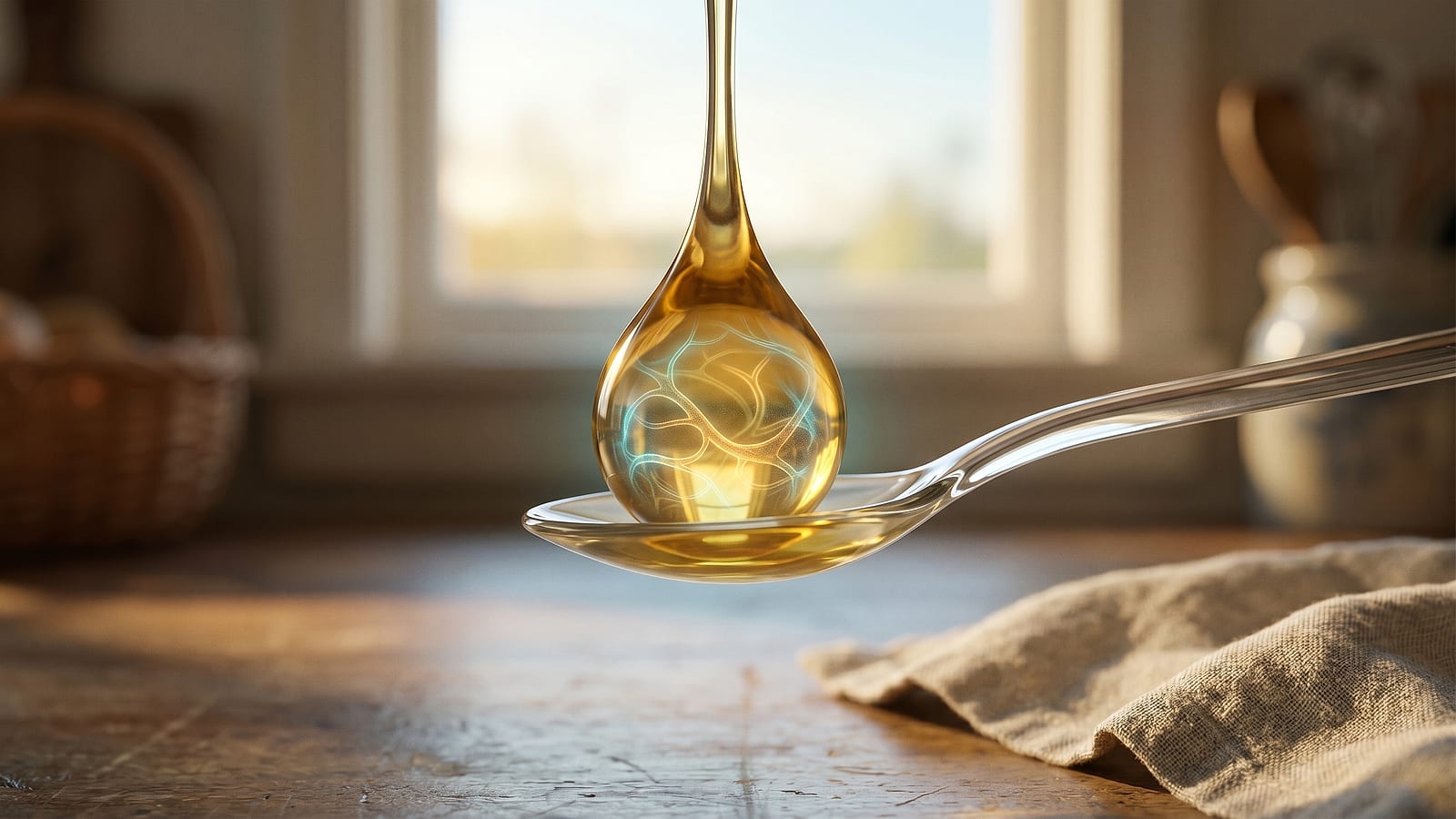
After you swallow olive oil, your gut and liver break down its polyphenols (protective plant compounds) into smaller molecules that travel through your body. A research review found that these compounds — both the original molecules and their breakdown products — can reach levels in body tissues linked to antioxidant effects, reduced inflammation, and better cell protection against damage [PMID: 30469520]. This matters because oxidized LDL (damaged cholesterol) plays a key role in starting the buildup of plaque inside arteries.
The benefits also extend beyond healthy people. A follow-up analysis of a randomized controlled trial found that extra virgin olive oil was linked to significant improvements in how well blood vessels function and in blood pressure readings in patients with hyperlipidemia (high levels of fat in the blood) [PMID: 41373940]. The oil provides healthy monounsaturated fats for energy, while its polyphenols are linked to protective effects on the vascular system (the network of blood vessels).
The Complete Protocol
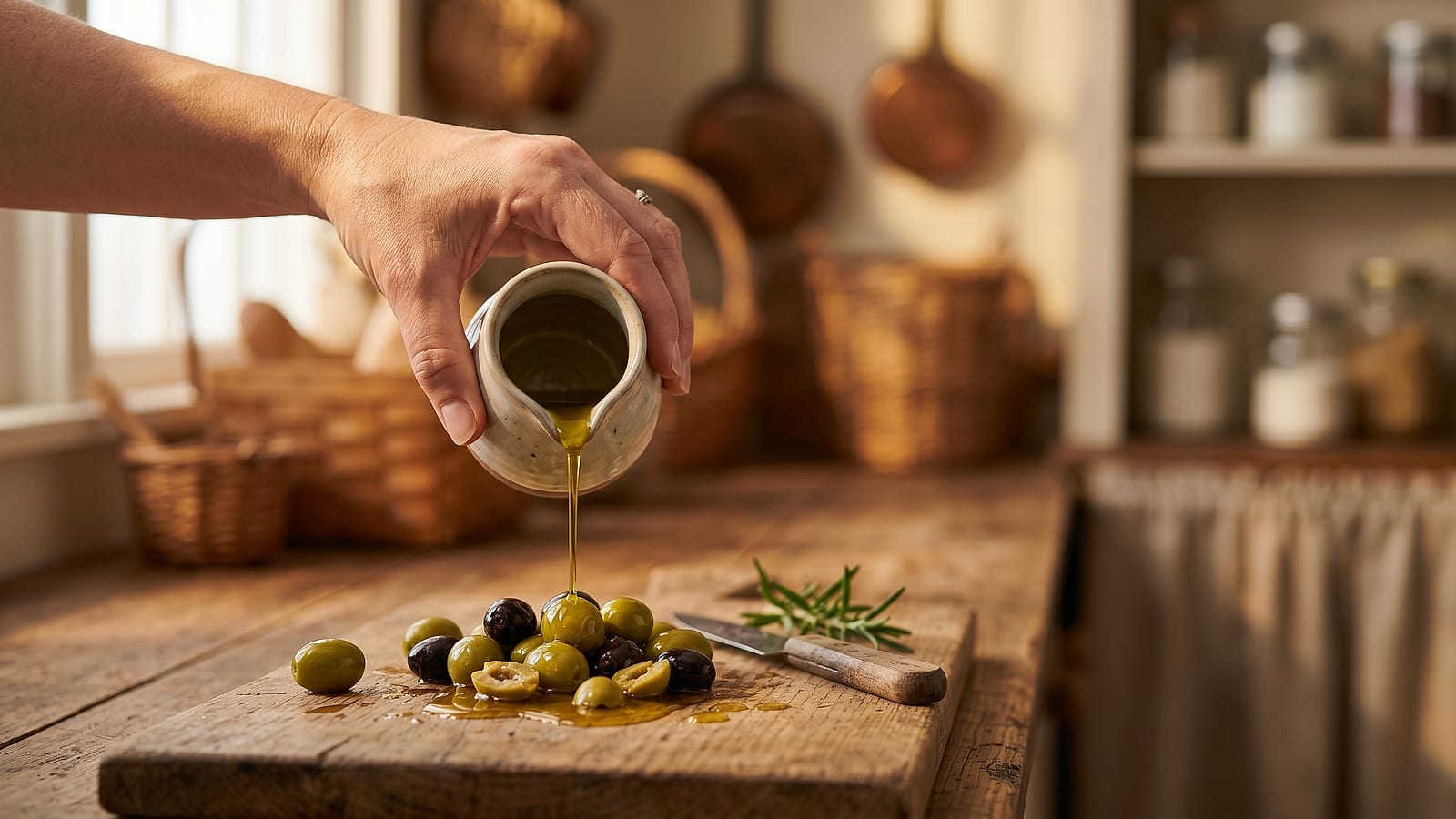
Start with the food source
- Raw Extra Virgin Olive Oil: Consider adding high-polyphenol extra virgin olive oil to your daily diet. Clinical trials have commonly used 30–60 mL per day (about 2–4 tablespoons) [PMID: 32751219] [PMID: 34716791].
- Timing: Use it as part of your regular meals. The available research does not point to a best time of day or a need to take it on an empty stomach.
- How to choose: Look for oils with a recent harvest date, packaged in dark glass to block light. A noticeable throat sting is a common sign of higher polyphenol content.
Move to the concentrated natural form
- High-Phenolic Olive Extract: Concentrated olive leaf extracts are available as a supplemental source of olive polyphenols, including oleuropein (a key protective compound found in olive leaves).
- Dose: Follow the manufacturer’s guidance for standardized extracts. The available research does not establish a specific dose for liquid olive leaf extract.
- Use: Taking supplements with a meal is a general practice that can help with tolerability.
Optional: the supplement form
- Standardized Olive Leaf Capsules: Capsule forms of olive leaf extract work well for people who prefer not to consume large amounts of liquid oil or extract.
- What to look for: Choose products standardized to a defined oleuropein content. Talk to your doctor or a registered dietitian about the right dose for your situation.
- Timing: Taking fat-soluble supplements with a fat-containing meal is a common general recommendation to support absorption.
When NOT to do this
Do not use high-dose olive polyphenol supplements if you are scheduled for surgery, or if you take prescription blood thinners such as Warfarin or blood pressure medications, without first talking to your doctor. Olive oil has been linked to blood pressure reduction in clinical trials [PMID: 32751219]. Combining it with medications that have similar effects may need medical supervision.
- Contraindications: People with active gallstones should talk to their doctor before consuming large amounts of oil. Dietary fats cause the gallbladder to contract, which may trigger discomfort.
Store your olive oil in a cool, dark pantry. Light and heat can break down polyphenols over time, reducing the quality of the oil.
Frequently Asked Questions
Can I cook with my high-polyphenol olive oil, or does heat destroy the beneficial compounds?
You can use it for light cooking, but high heat may break down the polyphenol content. To help preserve the beneficial compounds, consider keeping your high-phenolic oil raw and drizzling it over food after cooking is done.
If I miss my daily dose, should I take a double dose the next day?
No, do not double the dose. If you miss a day, simply go back to your normal amount the next day. Doubling up will not provide extra protection and might cause minor digestive upset from the sudden volume of raw fat.
How can I test if my store-bought olive oil actually contains therapeutic levels of oleocanthal?
The simplest informal test is the “cough test.” Take a tablespoon of raw oil and swallow it. A high-polyphenol oil may cause a sharp, peppery sensation at the back of your throat. If it goes down smoothly with no throat irritation at all, the polyphenol content may be low. For more certainty, look for oils that provide third-party polyphenol testing data on their label or website.
Is it safe to combine the raw olive oil with a concentrated olive leaf extract?
The two products contain different main polyphenols. The raw oil is rich in oleocanthal and oleacein, while olive leaf extract is concentrated in oleuropein, which has been linked to antioxidant and inflammation-calming properties in research reviews [PMID: 30469520]. That said, talk to your doctor before combining supplements, especially if you take any medications.
Why might heart and blood flow benefits take longer to appear than early changes in how I feel?
Structural improvements in heart and blood vessel health may require steady, long-term exposure to polyphenols. Clinical trials measuring blood pressure and antioxidant markers have typically run for three to four weeks or longer before detecting measurable changes [PMID: 32751219] [PMID: 34716791].
Verified Sources
- The Effect of High Polyphenol Extra Virgin Olive Oil on Blood Pressure and Arterial Stiffness in Healthy Australian Adults: A Randomized, Controlled, Cross-Over Study. — Nutrients, 2020 (PMID 32751219)
- Biological Relevance of Extra Virgin Olive Oil Polyphenols Metabolites. — Antioxidants (Basel, Switzerland), 2018 (PMID 30469520)
- Extra virgin olive oil high in polyphenols improves antioxidant status in adults: a double-blind, randomized, controlled, cross-over study (OLIVAUS). — European journal of nutrition, 2022 (PMID 34716791)
- The effect of high-polyphenol extra virgin olive oil on cardiovascular risk factors: A systematic review and meta-analysis. — Critical reviews in food science and nutrition, 2019 (PMID 29708409)
- Extra Virgin Olive Oil (EVOO) Improves Vascular Endothelial Function and Hemodynamic Parameters in Patients with Hyperlipidemia: A Post Hoc Analysis of a Randomized Controlled Trial. — Nutrients, 2025 (PMID 41373940)
Bloated, tired, foggy, or fighting cravings?
Get The Gut Reset free — a science-backed guide to go from “off” to clear, light and energized. Drop your email and we’ll send it straight to your inbox.
No spam. Unsubscribe anytime. Educational content, not medical advice.