If you catch every cold that goes around, the humble garlic clove deserves a serious look
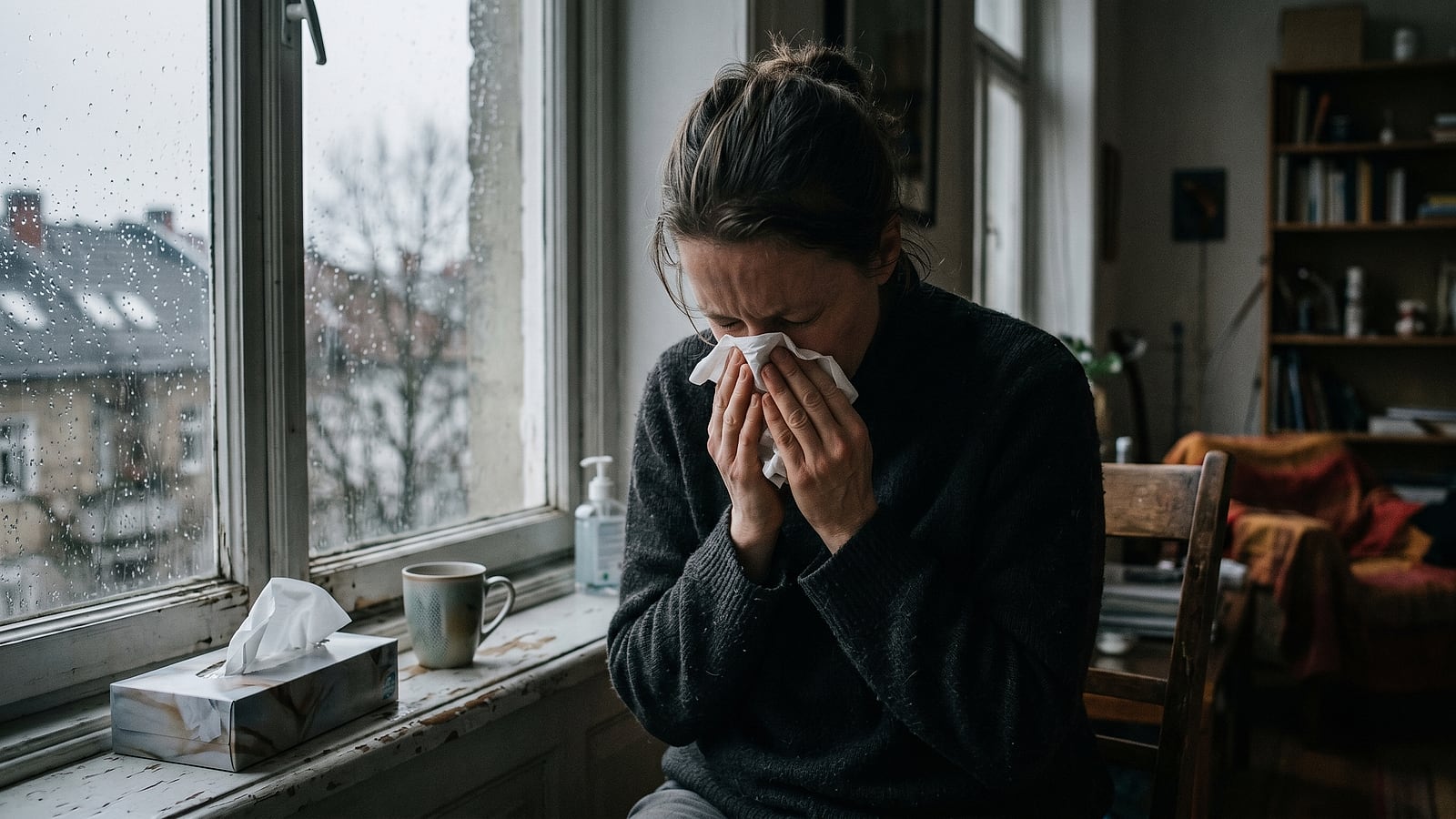
You know who you are. You’re the one who catches whatever’s going around — the office cold, the kids’ sniffles, the bug from one cramped flight — while the person next to you sails through untouched. It’s exhausting and a little demoralizing, and “wash your hands” only gets you so far. So here’s an old remedy worth a fresh, honest look, one your great-grandparents leaned on for exactly this reason: garlic.
Garlic has been used as a medicine for thousands of years, across nearly every culture, prized for fighting off illness. That kind of staying power usually means there’s something to it. But “ancient and beloved” isn’t the same as “proven,” so let’s do this properly: what the science actually shows, where the evidence is genuinely thin, how to use garlic so it works, and the honest bottom line for someone who’s sick of being sick.
What the science actually shows
Let’s start with the most relevant question: can garlic help you catch fewer colds? In the single best controlled trial on this, people who took a daily garlic supplement through the winter caught significantly fewer colds than those taking a placebo — and when they did get sick, they tended to recover faster [PMID: 11697022]. That’s a genuinely encouraging result for anyone who feels like a cold magnet.
Now the honest part, because you deserve it. When the rigorous reviewers at Cochrane gathered all the quality trials on garlic for the common cold, they found there simply wasn’t much: essentially that one good trial, and a clear call for more research before anyone can make strong claims [PMID: 25386977]. So the honest status is “promising but under-studied” — one solid trial pointing the right way, not a mountain of proof. That’s very different from snake oil, and very different from a sure thing.
Why garlic might genuinely help
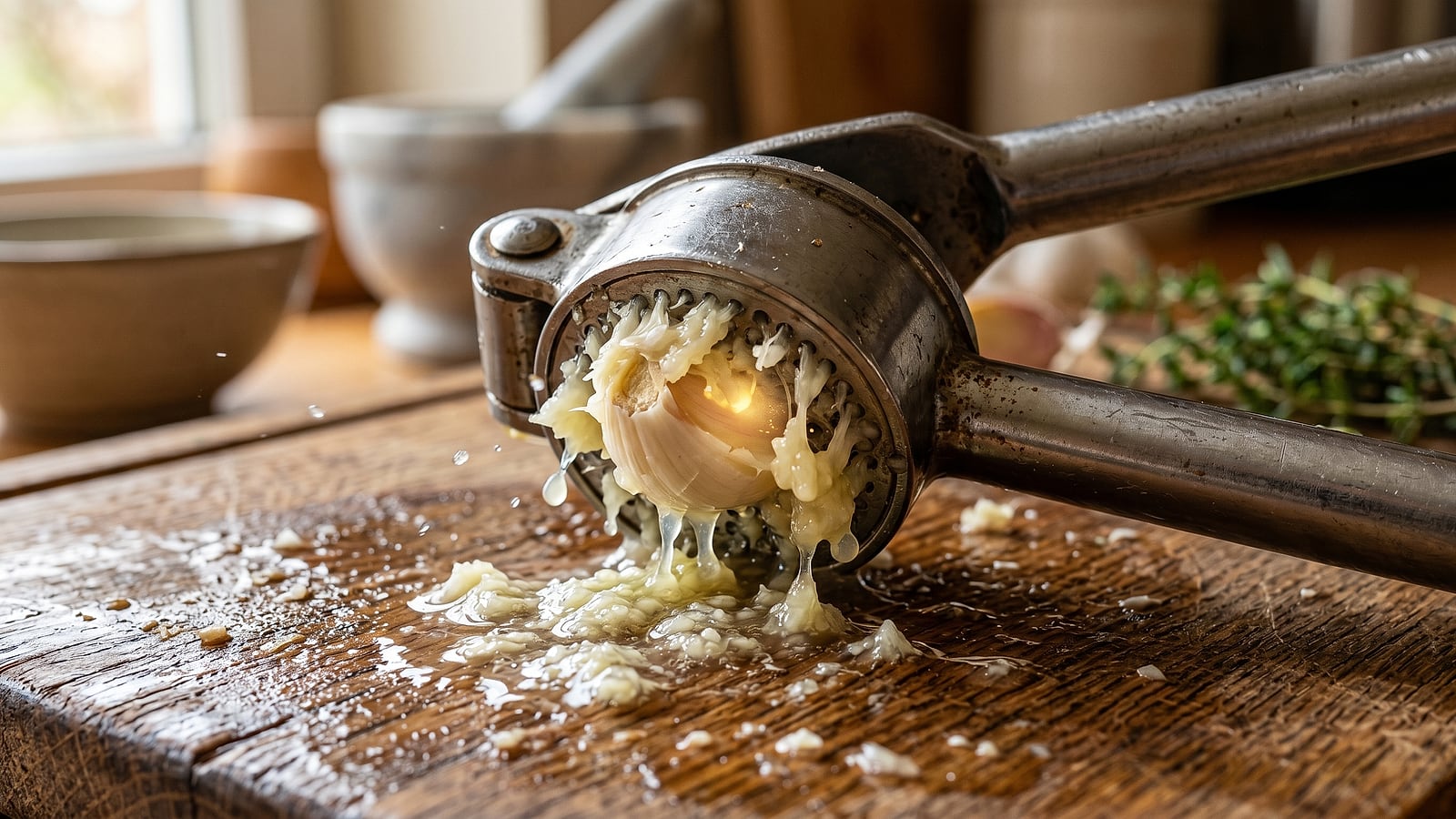
The biology gives the folklore real credibility. When you crush or chop a raw garlic clove, it produces allicin — a sulfur compound with well-documented antimicrobial and immune-supporting activity, the source of garlic’s pungent smell and much of its medicinal reputation [PMID: 35174827]. Garlic’s compounds appear to support the immune cells that hunt down invaders, which is a plausible mechanism for why a daily clove might help your body fend off the bugs it meets. The catch is that allicin is fragile — and that’s exactly why how you use garlic decides whether you get any of it.
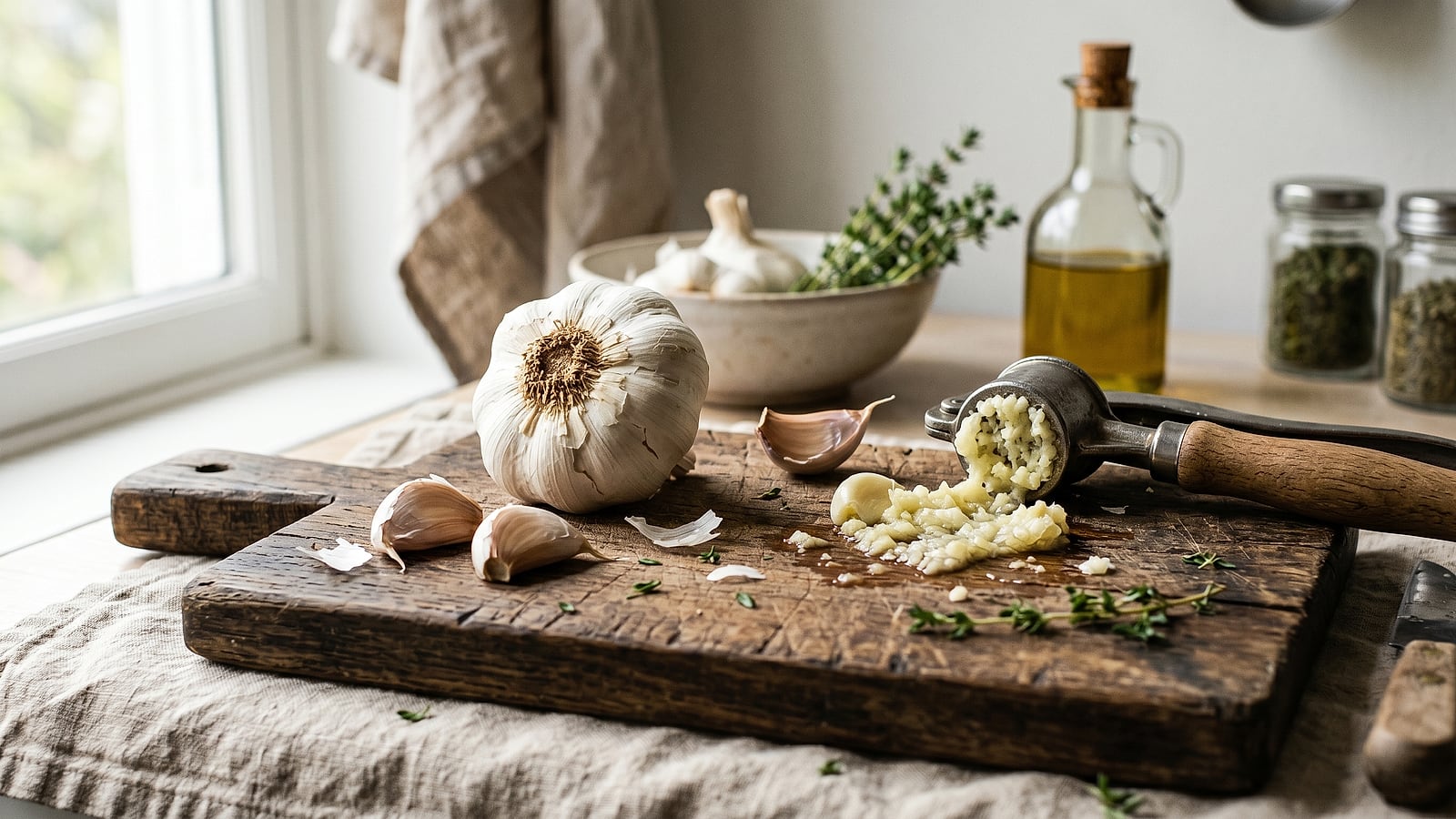
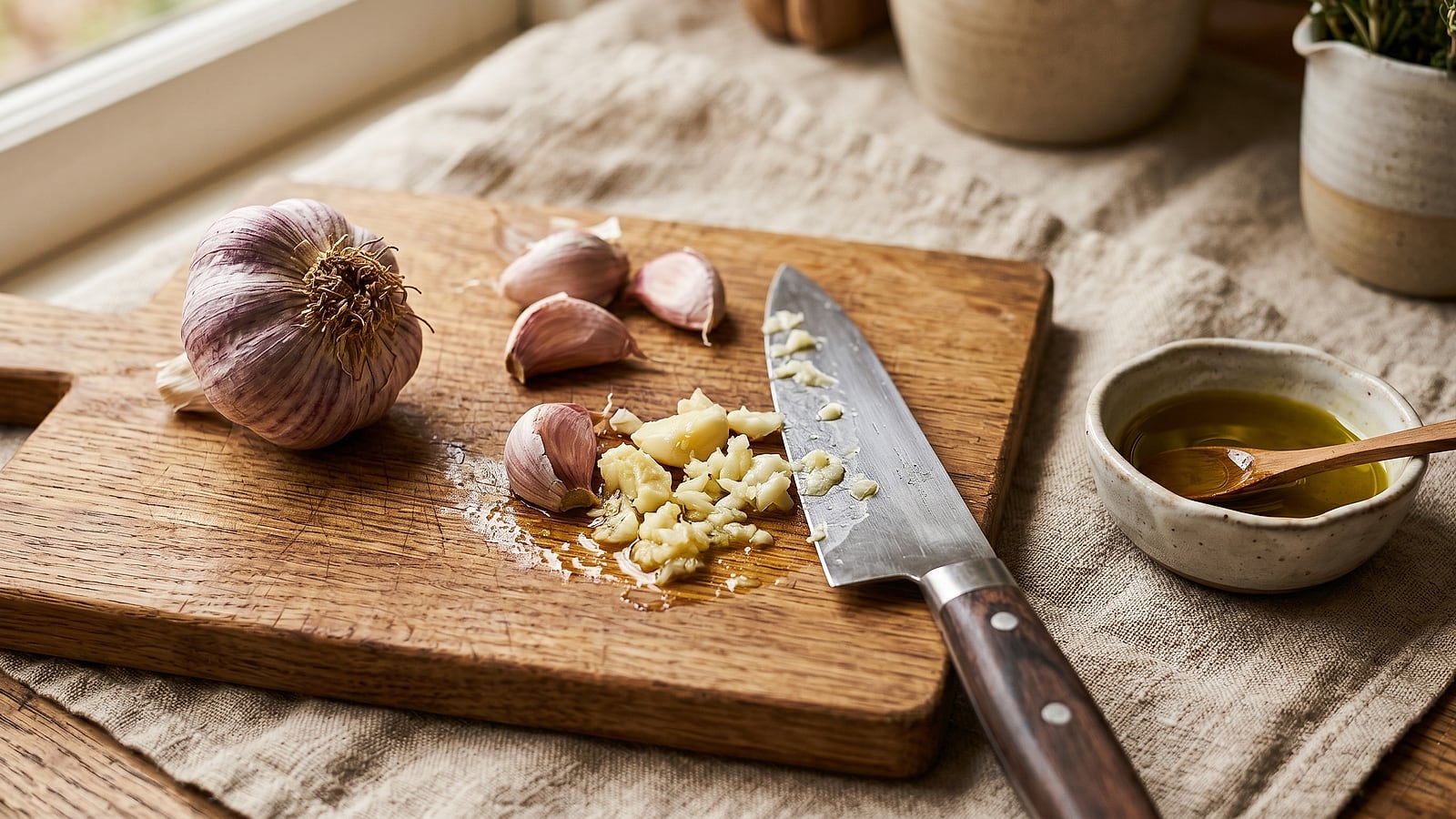
The allicin rule: allicin only forms when raw garlic is crushed or chopped — and then you must let it sit for about 10 minutes before cooking. Throw garlic straight into a hot pan and the heat destroys the enzyme before allicin can form. That 10-minute wait is the single biggest difference between garlic that’s just flavor and garlic that’s medicine.
How to actually get the benefit
- Crush or chop, then WAIT 10 minutes. This lets the allicin develop before any heat. It’s the most important step, and the one almost everyone skips.
- Raw is most potent. A crushed raw clove stirred into dressing, hummus, guacamole or mashed into warm (not scalding) food keeps the most allicin. If you cook it, add it near the very end.
- Aim for about one to two cloves a day through cold season if you tolerate it.
- Tame the burn: mince it finely and mix into food, or pair with fat (olive oil, avocado). A crushed clove in honey is a classic at-the-first-sniffle remedy.
- Supplements are an option, but quality varies wildly; look for “aged garlic extract” or products standardized for allicin potential if you can’t stomach the real thing.
How to know it’s working
This one you measure across a season, not a day. The realistic win for a “cold magnet” is catching fewer colds than usual over the winter, and bouncing back faster when one does slip through — exactly what the trial measured. Think of it as gentle, daily insurance rather than an instant fix. If you sail through a winter that would normally have flattened you two or three times, that’s your answer.
The honest cautions
Garlic is food, so it’s very safe for most people, but a few real cautions. It can cause heartburn, gas, and (let’s be honest) memorable breath. More importantly, raw garlic in larger amounts has a mild blood-thinning effect, so talk to your doctor first if you take blood-thinning medication or have surgery coming up. The same applies if you take certain HIV medications, which garlic can interfere with. And of course, garlic is a helper for staying well — not a treatment for an illness that needs medical care.
Where this leaves you
Realistically: not a guaranteed shield, but a cheap, food-based, time-honored habit with one solid trial and sound biology behind it — and almost no downside beyond your breath. Picture next winter as the person who used to catch everything: a crushed clove resting on the cutting board for its 10 minutes, stirred raw into your food each day, and a season where, for once, the bug going around the office passes you by. For something already in your kitchen, that’s a bet well worth making.
Frequently Asked Questions
Does garlic actually prevent colds?
The best single trial found that a daily garlic supplement led to significantly fewer colds and faster recovery versus placebo [PMID: 11697022]. But a Cochrane review noted the overall evidence is limited — essentially that one good trial — so it’s promising rather than proven [PMID: 25386977].
What’s the right way to eat garlic for immunity?
Crush or chop a raw clove and let it sit about 10 minutes before eating or cooking — that’s when allicin, the active compound, forms. Raw or added at the very end of cooking preserves the most benefit. Aim for one to two cloves a day in cold season.
Why does the 10-minute wait matter?
Allicin only develops after raw garlic is crushed, and heat destroys the enzyme that makes it. Letting crushed garlic rest 10 minutes lets the allicin form first, so it survives light cooking — the difference between garlic as flavor and garlic as medicine.
Is garlic safe to take daily?
For most people, yes — it’s food. But it can cause heartburn, gas and strong breath, and raw garlic mildly thins the blood, so talk to your doctor first if you take blood thinners, have surgery coming up, or take certain HIV medications.
Verified Sources
- Preventing the common cold with a garlic supplement: a double-blind, placebo-controlled survey. — Advances in Therapy, 2001 (PMID 11697022)
- Garlic for the common cold. — Cochrane Database of Systematic Reviews, 2014 (PMID 25386977)
- Biological properties and therapeutic applications of garlic and its components. — Food & Function, 2022 (PMID 35174827)
Still bloated, tired and fighting cravings? It’s probably not your willpower — it’s your gut.
Get The Gut Reset free: the simple, science-backed steps to feel lighter, clearer and more energized — starting in days, not months. Enter your email and we’ll send it right now.
No spam. Unsubscribe anytime. Educational content, not medical advice.
professional before changing your diet, supplements, or treatment. These statements have not been
evaluated by the Food and Drug Administration and are not intended to diagnose, treat, cure, or prevent any disease.