When you feel flat but not ‘depressed’: the spice that keeps beating placebo for low mood — used honestly
It is not that you are falling apart. It is that the color has drained out of things. You get through the day, but the spark is gone — food is just fuel, good news barely lands, and “I’m fine” is a reflex, not the truth. You are not clinically depressed, exactly. You are flat. And you are tired of pushing through it alone.
This is the story of an unlikely helper for that exact in-between place: saffron. Not a drug, not a quick fix — a spice with a surprising amount of real research behind it. By the end you will know whether it is worth trying, how to do it honestly, how to tell if it is helping, and the line where saffron stops and you need real support instead.

Why a spice ended up in mood research
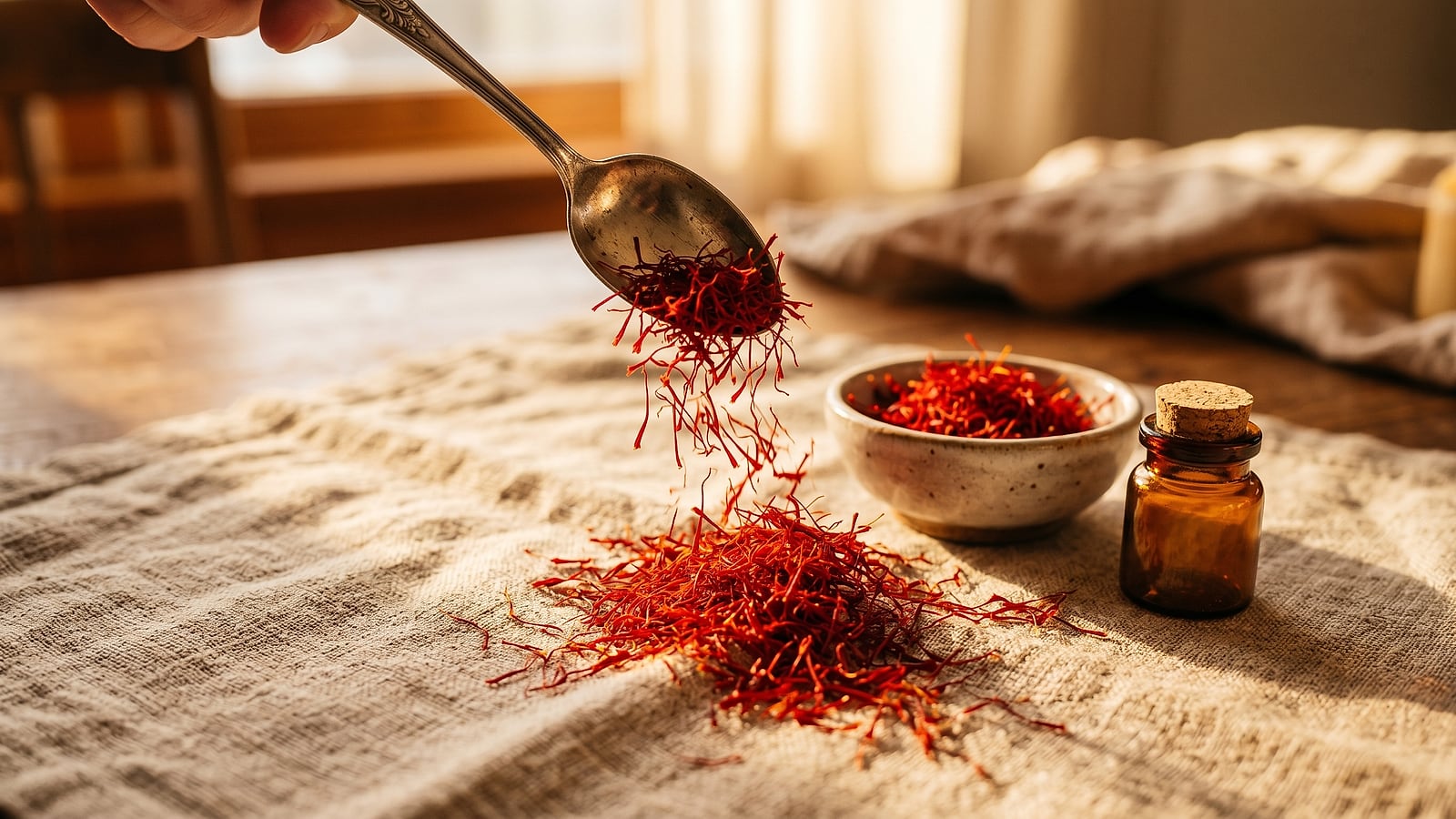
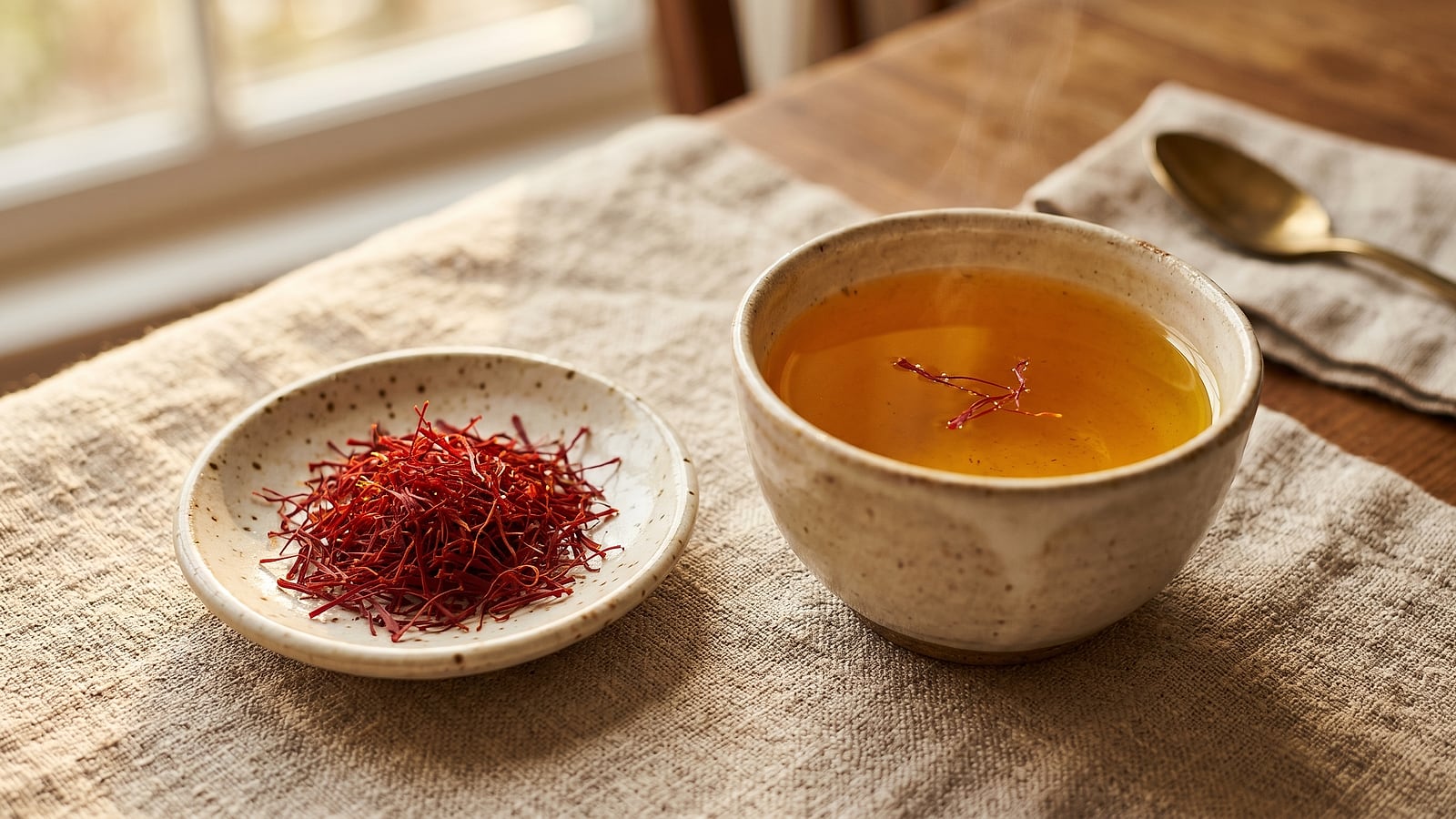
Saffron is the most expensive spice on earth — roughly 150 hand-picked flowers for a single gram. For centuries it colored royal dishes and folk remedies. Then researchers, noticing its traditional use for melancholy, started running real trials. What they found is why we are talking about it.
A 2019 review of 23 studies found saffron had a large benefit for both depression and anxiety compared with placebo [PMID: 31135916]. A 2020 meta-analysis of 21 trials agreed: it significantly lowered depression and anxiety scores, and even improved sleep [PMID: 31987241]. Most striking — in head-to-head trials for mild-to-moderate depression, saffron worked about as well as standard antidepressants [PMID: 25384672]. For a kitchen spice, that is remarkable.
The honest catch — read this before you hope too hard
A trustworthy guide has to slow down here. The same research has real soft spots. The 2019 review found signs of publication bias, meaning some negative studies may be missing — which can make any remedy look stronger than it is [PMID: 31135916]. The 2020 analysis found saffron helped on patient questionnaires but not on every clinician-rated scale [PMID: 31987241]. And many trials come from one region, with saffron quality that varies a lot [PMID: 41462633]. So: genuinely promising for that flat, mild-to-moderate place — not a cure, and not for severe depression.
How it likely works
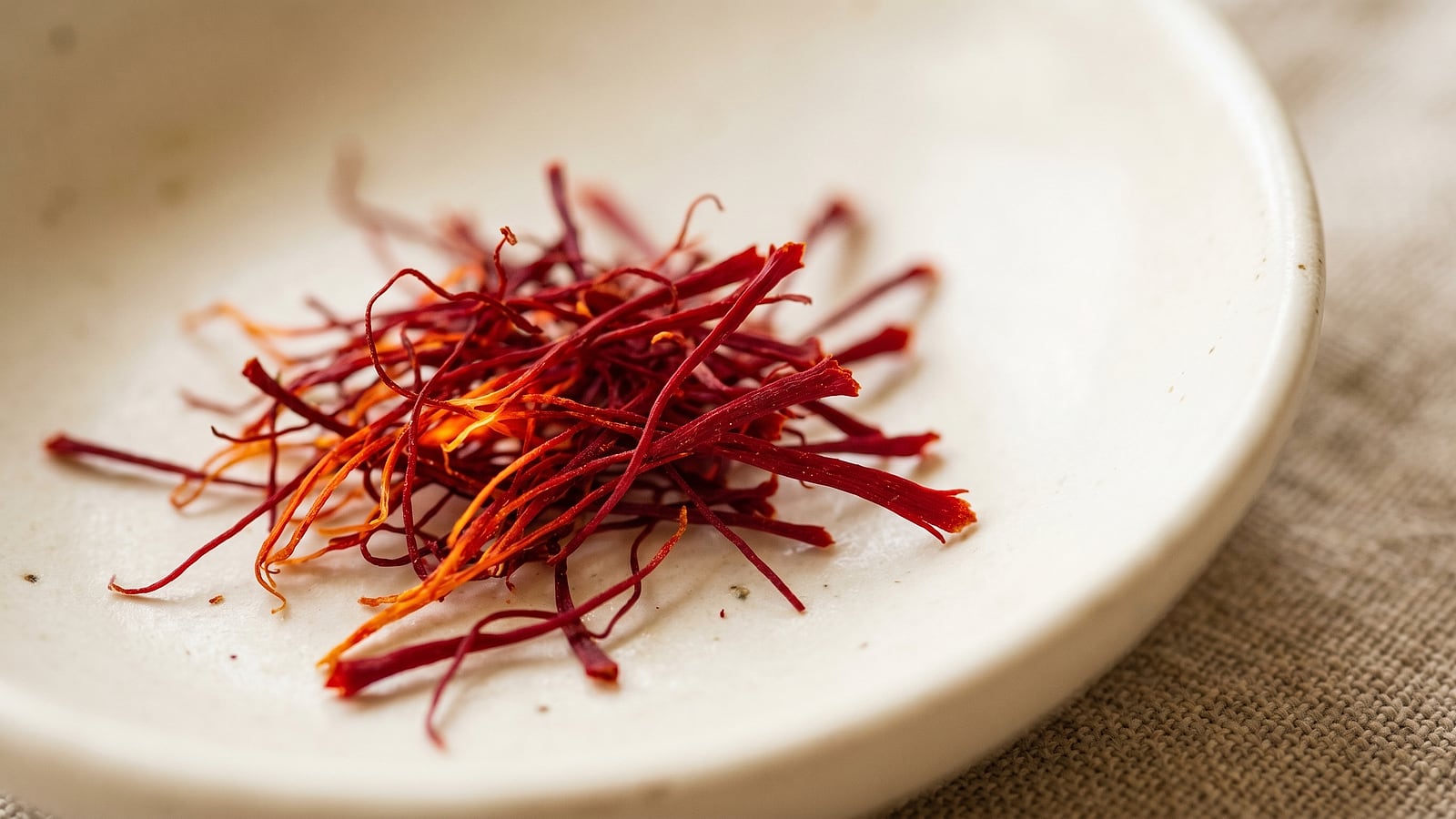
Saffron’s color and scent come from compounds called crocin and safranal. In studies they appear to act on serotonin — the same messenger many antidepressants target — and to calm inflammation [PMID: 25384672][PMID: 41462633]. It is not magic. It is a plant with mild, drug-like activity on the systems that shape mood.
Your honest plan to try it
If you want to give it a fair shot, here is how the studies did it.
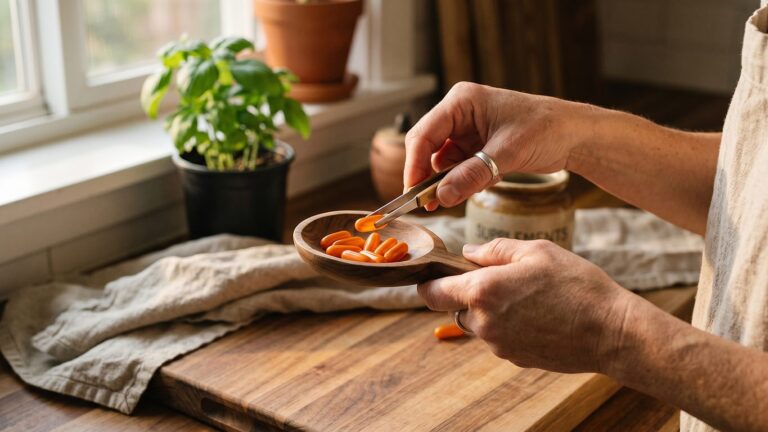
- Dose: about 30 mg a day of a standardized extract, often split into two [PMID: 25384672].
- Quality first: real saffron is costly, so fakes and dilutions are everywhere. Buy a standardized extract from a brand that tests it — a cheap powder may be doing nothing.
- Give it weeks: the mood trials ran 6 to 8 weeks. This is not a same-day lift.
How to know if it is helping
Pick two anchors and check them weekly: your morning dread (does getting started feel a notch lighter?) and whether small good things land again (a song, a laugh, a meal you actually taste). Jot a 1-to-10 mood number each evening. After 6 weeks, look back. A real lift shows up as a gentle, steady rise — not a sudden high.
When saffron is NOT the answer
This matters more than any dose. If you feel hopeless, can’t function, or have any thought of not being here — that is not a “try a spice” moment. That needs a doctor or a crisis line, today. Saffron is for the flat, mild end of the spectrum. And talk to a doctor first if you take an antidepressant (combining serotonin-active things needs supervision), are pregnant, or have bipolar disorder.
Where this could leave you in two months
Honestly? Not fireworks. In the trials, people with mild-to-moderate low mood improved meaningfully over 6 to 8 weeks, sometimes as much as with standard medication [PMID: 25384672][PMID: 31135916]. In real life that tends to feel like the grey lifting a shade: a little more patience, a little more interest, food with flavor again. For a spice, with honest expectations and a quality product, that is a gentle, real step back toward yourself.
Frequently Asked Questions
Does saffron really work as well as antidepressants?
In head-to-head trials for mild-to-moderate depression, it performed comparably [PMID: 25384672]. But those trials were small and the wider evidence has publication-bias concerns [PMID: 31135916]. It is a reasonable option for mild cases — not severe ones, and not a replacement for prescribed treatment without your doctor.
How much, and for how long?
About 30 mg a day of a standardized extract, over 6 to 8 weeks [PMID: 25384672]. Use a tested product, since fakes are common, and give it weeks rather than days.
Can I take it with my antidepressant?
Only with your doctor’s guidance. Saffron acts on serotonin, and combining serotonin-active treatments needs medical supervision [PMID: 25384672].
Verified Sources
- Effect of saffron supplementation on symptoms of depression and anxiety: a systematic review and meta-analysis. — Nutrition reviews, 2019 (PMID 31135916)
- The effects of saffron (Crocus sativus L.) on mental health parameters and C-reactive protein: A meta-analysis of randomized clinical trials. — Complementary therapies in medicine, 2020 (PMID 31987241)
- Saffron (Crocus sativus) for depression: a systematic review of clinical studies and examination of underlying antidepressant mechanisms of action. — Human psychopharmacology, 2014 (PMID 25384672)
- Phytochemistry, Biological Activities, Molecular Mechanisms, and Toxicity of Saffron (Crocus sativus L.): A Comprehensive Overview. — Antioxidants, 2025 (PMID 41462633)
Crashing every afternoon? Tired but wired?
Get The 3 PM Crash Killer free — a science-backed guide to steady, all-day energy without more caffeine. Drop your email and we’ll send it straight to your inbox.
No spam. Unsubscribe anytime. Educational content, not medical advice.
professional before changing your diet, supplements, or treatment. These statements have not been
evaluated by the Food and Drug Administration and are not intended to diagnose, treat, cure, or prevent any disease.