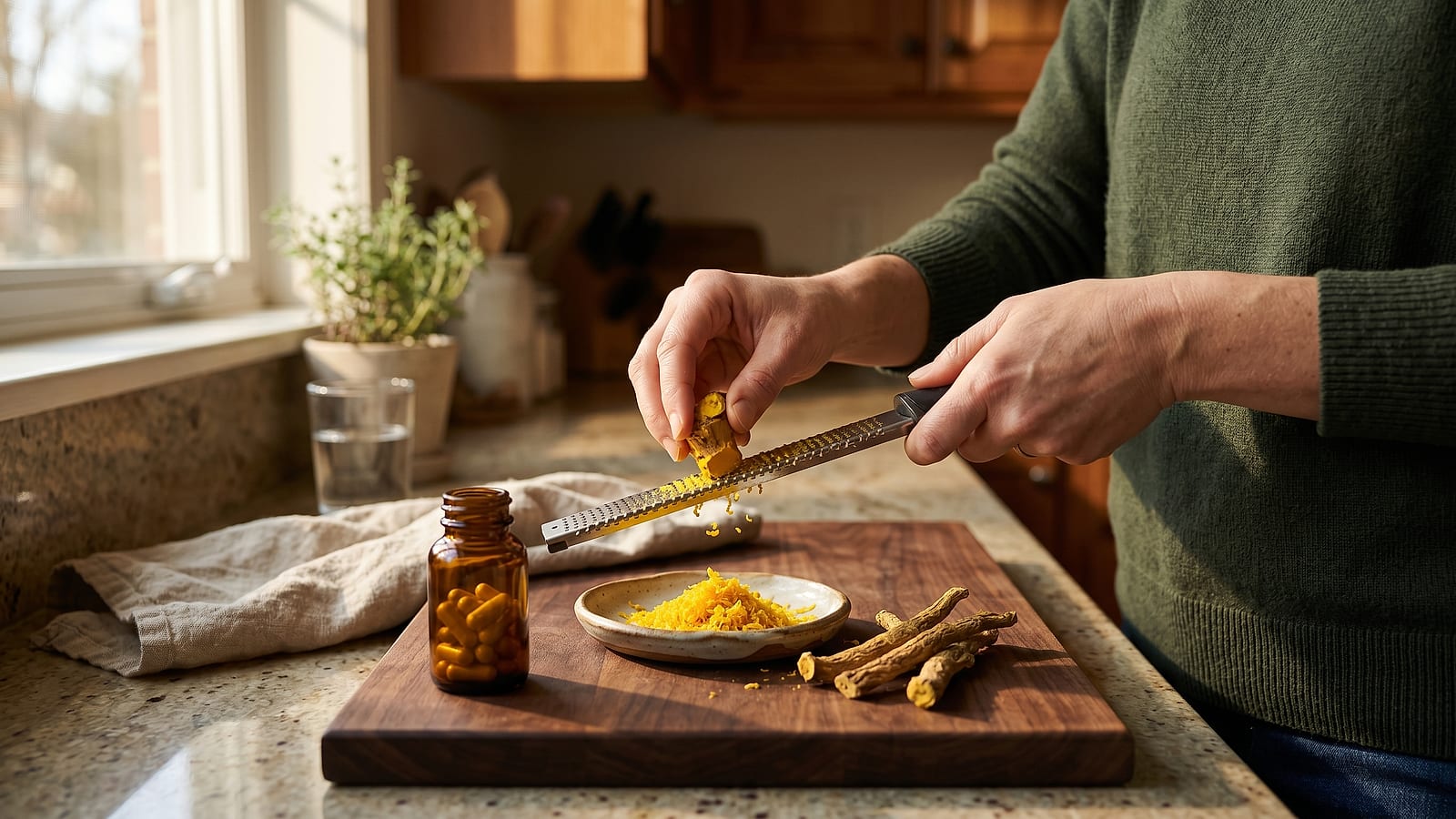
A plant compound rivals a top diabetes drug in head-to-head trials — but there’s no patent, so you were never told
If you have ever stood at a pharmacy counter, staring at a ridiculous copay for a blood-sugar prescription, prepare to feel angry. A quiet battle has raged between multi-billion-dollar metabolic drugs and a bitter, yellow botanical compound found in common shrubs. In head-to-head clinical trials, this natural compound matched a blockbuster diabetes drug for blood-sugar control, yet your doctor has likely never mentioned it.
By the end of this article, you will understand the biological mechanisms associated with this molecule, how it may influence key metabolic pathways, and general guidance on how it has been used in clinical research.
Why This Matters Today
Berberine is a naturally occurring alkaloid that cannot be patented, which limits commercial incentives to fund large-scale marketing campaigns. Yet the peer-reviewed evidence on its metabolic effects is substantial.
A randomized controlled trial found that, in newly diagnosed type 2 diabetics, a standard dose of berberine regulated glucose and lipid metabolism with a hypoglycemic effect similar to that of metformin [PMID: 18442638]. A meta-analysis of randomized controlled trials found that berberine combined with lifestyle changes was associated with lower fasting blood glucose and HbA1c compared with lifestyle changes alone [PMID: 25498346]. These are clinically significant findings that have prompted ongoing research interest.

The Science Behind It
To understand why this compound is of interest, researchers have focused on a cellular enzyme called AMPK. AMPK functions as an energy sensor in cells; when cellular energy is low, AMPK activation signals cells to take up glucose from the bloodstream and use it for fuel. A review notes that berberine is associated with activation of this enzyme, and that this mechanism may partly explain its effects on insulin resistance and glucose metabolism [PMID: 37298967]. Most people with sluggish metabolisms may have chronically underactive AMPK, which can contribute to elevated blood glucose and excess insulin secretion.
This enzyme activation is thought to trigger downstream metabolic effects. A clinical study of eighty patients with metabolic syndrome found that berberine significantly improved insulin resistance while simultaneously improving lipid metabolism and reducing systemic inflammation compared with a control group receiving standard therapy alone [PMID: 30936971]. This dual action on both glucose and lipid parameters is a notable feature of the compound’s profile in the research literature.
The downstream physical effects of berberine supplementation have been measured in multiple trials. A systematic review and meta-analysis of randomized controlled trials found that berberine supplementation was associated with a significant reduction in body weight, body mass index, waist circumference, and C-reactive protein—an inflammatory marker—compared with control groups [PMID: 32690176]. The same meta-analysis found that berberine did not significantly affect liver enzymes, suggesting a reasonable safety profile for those parameters in the populations studied.
A descriptive review notes that berberine’s actions include modulating insulin resistance at the cellular level, inhibiting pro-inflammatory cytokines, and influencing intestinal microbiota, which together may contribute to cardiovascular and metabolic protection [PMID: 37298967]. The authors note that the body of preclinical and clinical data suggests meaningful therapeutic potential for preventing cardiovascular issues and managing hyperinsulinemia, while acknowledging that further large-scale trials are warranted.
General Dosing Context From the Research
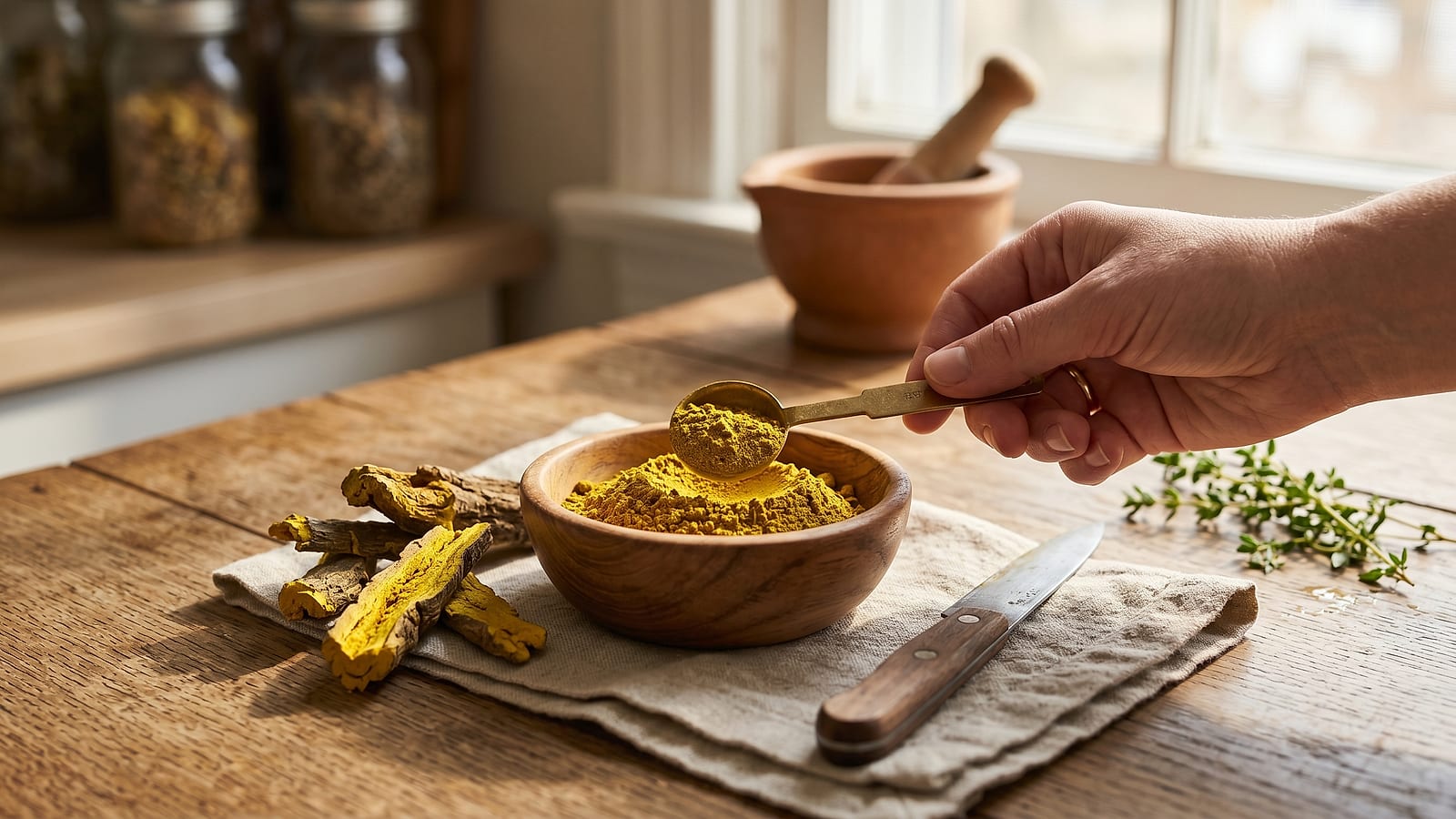
Doses used in clinical trials
The clinical trials reviewed in the published literature have most commonly used berberine HCl in capsule or tablet form. A randomized controlled trial found that 500 mg taken three times daily (1500 mg total per day) with meals over three months was associated with significant improvements in fasting blood glucose, postprandial blood glucose, HbA1c, and triglycerides [PMID: 18442638]. Dividing the daily dose across meals, rather than taking it all at once, is consistent with the dosing schedules used in these trials and may help reduce gastrointestinal side effects, which were noted in some participants.
Duration used in clinical trials
Most trials reviewed in the meta-analyses ran for approximately 8 to 12 weeks [PMID: 25498346, PMID: 32690176]. Whether cycling on and off berberine is necessary has not been definitively established in the published literature; this is a practical consideration best discussed with a healthcare provider.
Food sources versus supplements
The clinical trials on berberine have used standardized supplement forms rather than whole food sources such as barberries. Whole barberries contain berberine alongside other compounds and variable amounts of sugars, making it difficult to achieve the doses studied in clinical research through food alone. No published source in the provided evidence base quantifies the precise berberine content of barberries or validates a specific gram amount of fruit as therapeutically equivalent to supplement doses.
When NOT to use berberine
Do not use this compound if you are pregnant or breastfeeding. Berberine may inhibit certain liver enzymes involved in drug metabolism, which can affect blood levels of some medications. If you already take glucose-lowering medications such as metformin, combining them may increase the risk of hypoglycemia. Always consult a qualified healthcare provider before starting berberine, particularly if you take any prescription medications.
Never combine berberine with pharmaceutical glucose-lowering drugs without direct medical supervision. The compound’s effects on blood glucose can interact with medication, potentially driving blood sugars lower than intended.
If you monitor your blood glucose, keeping a log of your fasting readings while using berberine may help you and your healthcare provider assess your response over time.
Frequently Asked Questions
Can I combine this with apple cider vinegar (ACV) before meals?
Yes, but monitor your stomach. Both apple cider vinegar and berberine may support insulin sensitivity. However, combining them can cause mild gastric irritation or acid reflux if taken together on an empty stomach. If you do both, consider spacing them around your meal rather than taking both at the same time on an empty stomach.
What if I miss a pre-meal dose — should I take it after eating or double up?
Never double up. If you forget to take your dose before a meal, you can take it during the meal or shortly after. If you miss that window entirely, simply skip the dose and resume your regular schedule with your next main meal. Consult your healthcare provider about the best timing approach for your situation.
How does this compare to standard cinnamon supplements?
Berberine and cinnamon have been studied for metabolic support, but the clinical evidence base for berberine in glucose and lipid management is more extensive. A review notes that berberine is associated with activation of the AMPK pathway and modulation of insulin resistance at the cellular level [PMID: 37298967]. Direct head-to-head comparisons with cinnamon supplements are limited in the published literature.
Why does the timeline mention 12 weeks if my blood sugar improves in the first month?
Metabolic improvements may appear relatively quickly, but longer supplementation periods have been used in clinical trials. The 12-week duration reflects the trial lengths commonly used in the research [PMID: 18442638, PMID: 25498346]. Always consult your healthcare provider about the appropriate duration for your individual circumstances.
Is the supplement form necessary if I eat dried barberries every day?
The clinical trials on berberine have used standardized supplement forms rather than whole fruit. Whole barberries contain berberine alongside other compounds and variable amounts of sugars, making it difficult to achieve the doses studied in clinical research through food alone. A healthcare provider can advise on the most appropriate form for your needs.
Verified Sources
- The effect of berberine supplementation on obesity parameters, inflammation and liver function enzymes: A systematic review and meta-analysis of randomized controlled trials. — Clinical nutrition ESPEN, 2020 (PMID 32690176)
- Effects of berberine on glucose-lipid metabolism, inflammatory factors and insulin resistance in patients with metabolic syndrome. — Experimental and therapeutic medicine, 2019 (PMID 30936971)
- Meta-analysis of the effect and safety of berberine in the treatment of type 2 diabetes mellitus, hyperlipemia and hypertension. — Journal of ethnopharmacology, 2015 (PMID 25498346)
- Efficacy of berberine in patients with type 2 diabetes mellitus. — Metabolism: clinical and experimental, 2008 (PMID 18442638)
- A Descriptive Review of the Action Mechanisms of Berberine, Quercetin and Silymarin on Insulin Resistance/Hyperinsulinemia and Cardiovascular Prevention. — Molecules (Basel, Switzerland), 2023 (PMID 37298967)
Bloated, tired, foggy, or fighting cravings?
Get The Gut Reset free — a science-backed guide to go from “off” to clear, light and energized. Drop your email and we’ll send it straight to your inbox.
No spam. Unsubscribe anytime. Educational content, not medical advice.