Elderberry exploded into a $100-million cold remedy — here’s the honest truth about what it does
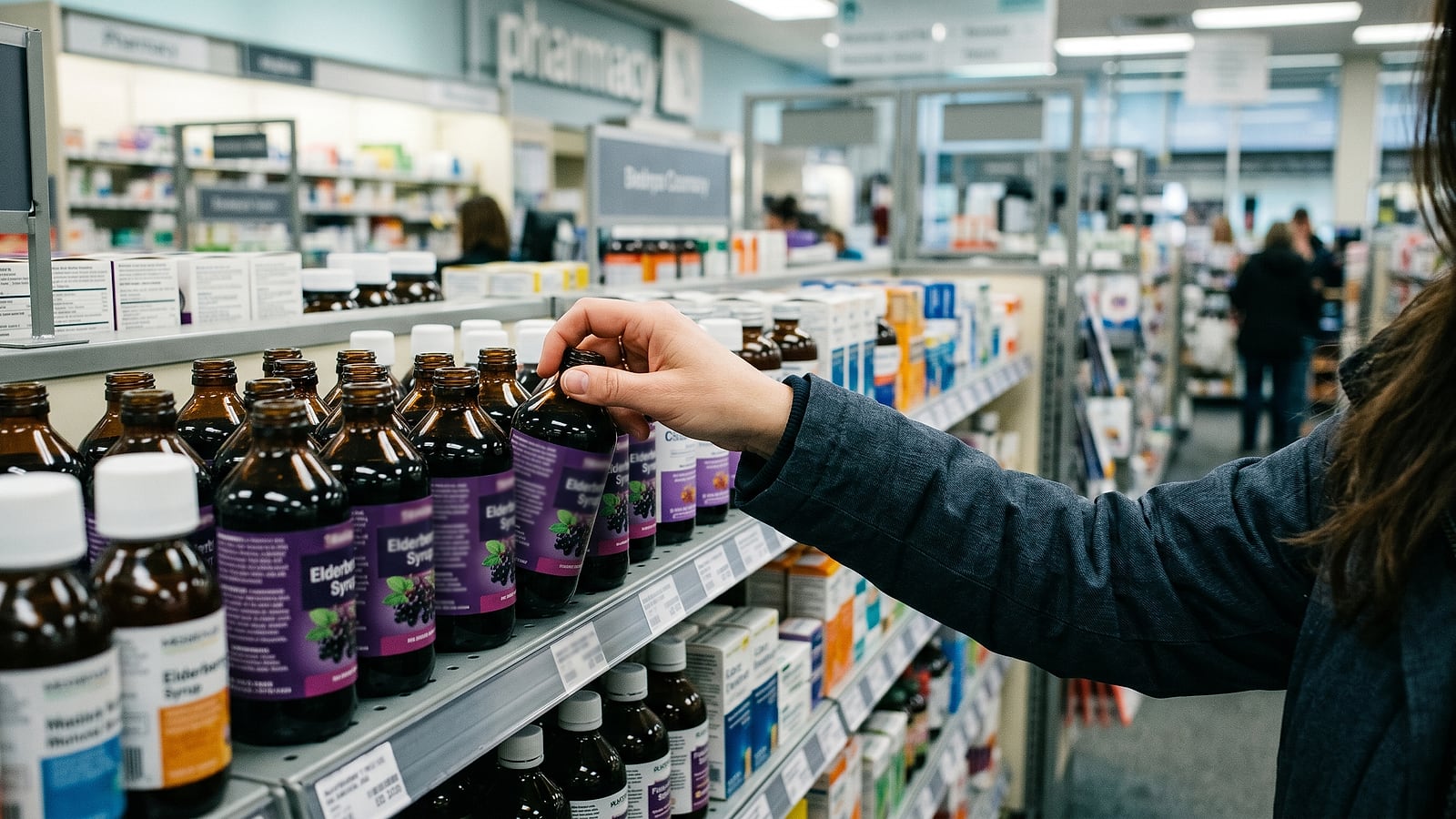
Walk into any pharmacy at the first sniffle of winter and you’ll see them: the dark purple syrups, gummies and lozenges promising to knock out your cold or flu. Elderberry has become a blockbuster — US sales more than doubled in a single bad flu season, topping $100 million. The marketing is everywhere, the influencers swear by it, and the bottles aren’t cheap. So the only question that matters is the one nobody selling it wants to answer plainly: does it actually work?
The honest answer is genuinely interesting — and more nuanced than either the hype or the haters admit. Elderberry isn’t snake oil, but it isn’t the flu-crusher the labels imply either. Let’s separate what the science supports from what’s just clever packaging, so you know exactly when this dark berry is worth your money and when it isn’t.
What elderberry genuinely seems to do
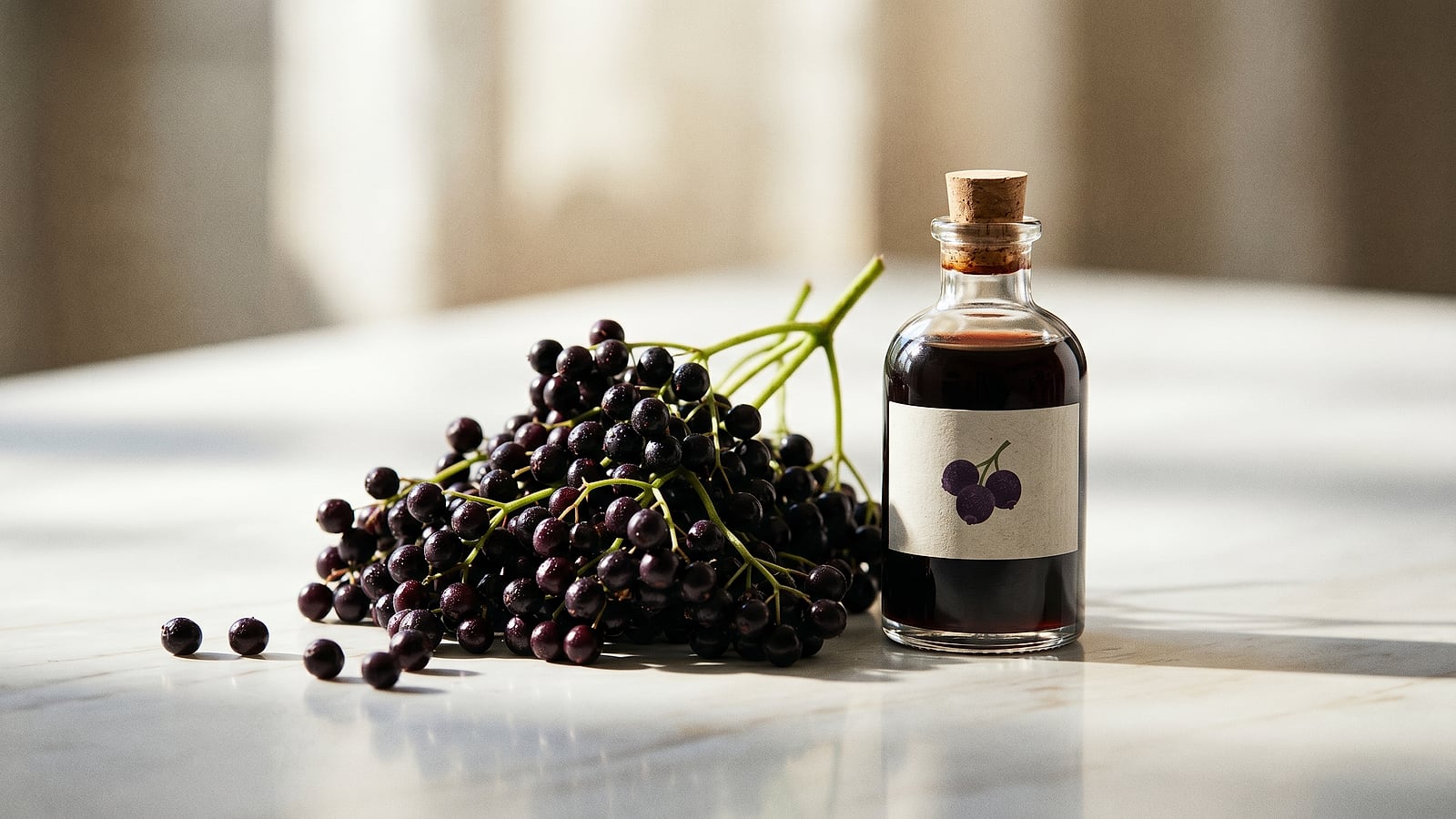
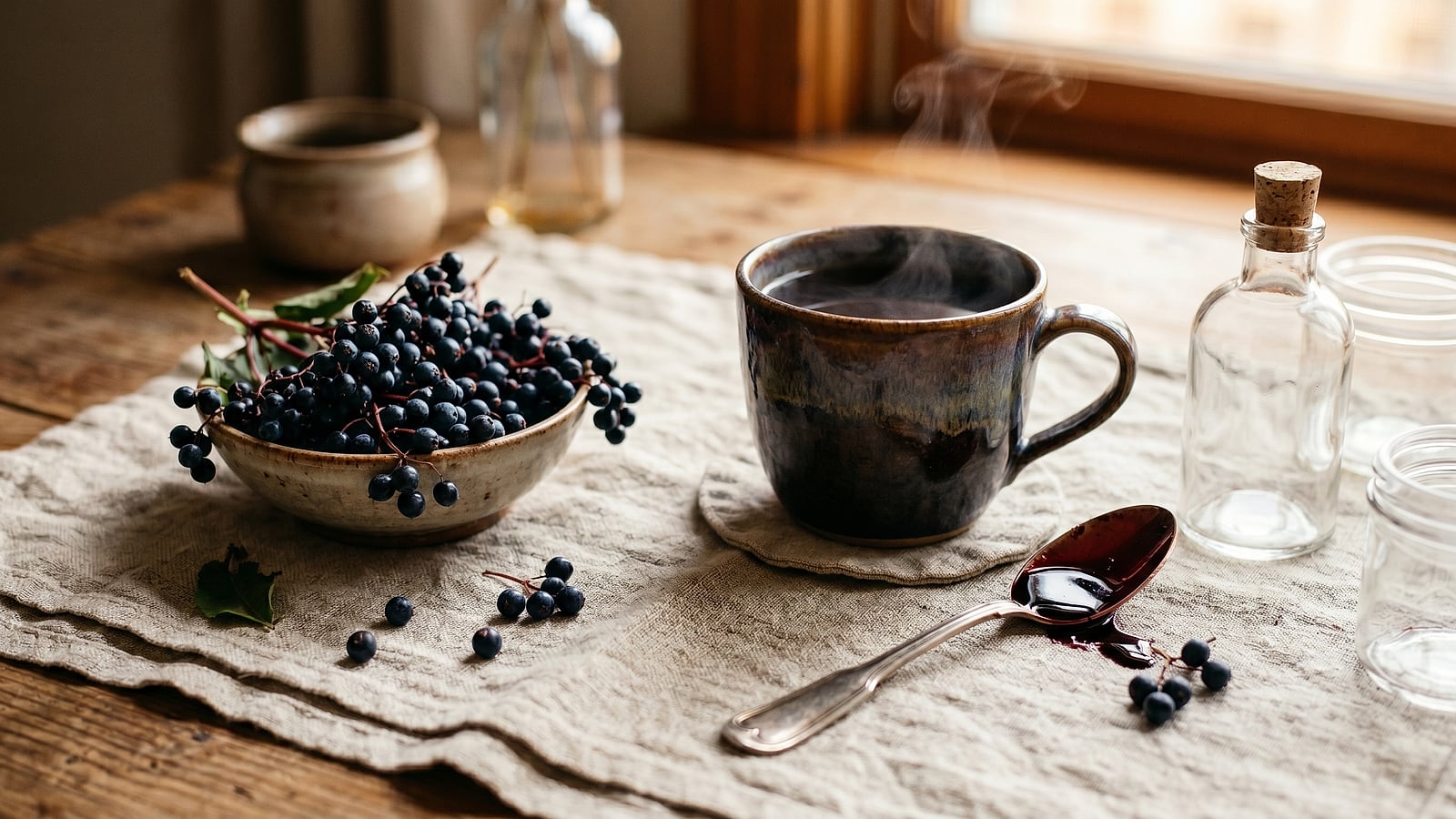
Elderberry (Sambucus nigra) is packed with anthocyanins — the same deep-purple antioxidant compounds that make blueberries and blackberries so prized — along with other bioactive plant compounds with antiviral and immune-supporting activity in the lab [PMID: 35348337]. That’s a real biological starting point, not fairy dust.
And the human evidence has a genuinely encouraging side. When researchers pooled together randomized trials of elderberry for upper-respiratory symptoms, the meta-analysis concluded that elderberry supplementation substantially reduced those symptoms — the congestion, the misery, the general “I feel awful” of a cold [PMID: 30670267]. For the common cold specifically, that’s a real, measured signal, and it’s why elderberry earned its reputation in the first place.
The honest catch the labels won’t show you
Here’s where you deserve the full story. When a rigorous, well-designed trial put elderberry to the test against actual influenza — real flu patients, randomized, double-blind, placebo-controlled — it found no benefit. Elderberry did not shorten the duration or ease the severity of the flu compared with placebo [PMID: 32929634]. That directly contradicts the earlier, smaller studies the marketing leans on.
So what’s the truth? The evidence is mixed, and that’s the honest headline. Elderberry shows a real signal for easing general cold / upper-respiratory symptoms — but the claim that it’s a proven flu treatment does not hold up to the best trial. It’s a promising helper for the common cold, not the influenza cure the $100-million machine implies. Both halves of that sentence are true at once.
So is it worth your money?
Here’s a fair, no-hype way to decide. Elderberry is reasonable to try as a supportive remedy for a regular cold — alongside the things that matter most (rest, fluids, sleep). The downside is mostly your wallet, and for some people it genuinely takes the edge off the symptoms. What it is not is a substitute for a flu shot, for antiviral medication when your doctor prescribes it, or for medical care if you’re truly sick. Treat it as a possible comfort measure for the sniffles — not as armor against the flu.
How to use it sensibly
- Start at the first sign. Like most cold remedies, elderberry is studied taken early, at the first scratchy throat or sniffle — not on day five when you’re already flattened.
- Use a real, standardized product. Syrups and lozenges with a meaningful, stated amount of elderberry extract are what the studies used — not a gummy with a token sprinkle buried among sugar.
- Mind the sugar. Many elderberry syrups and gummies are loaded with added sugar, which is counterproductive when your immune system is working. Read the label.
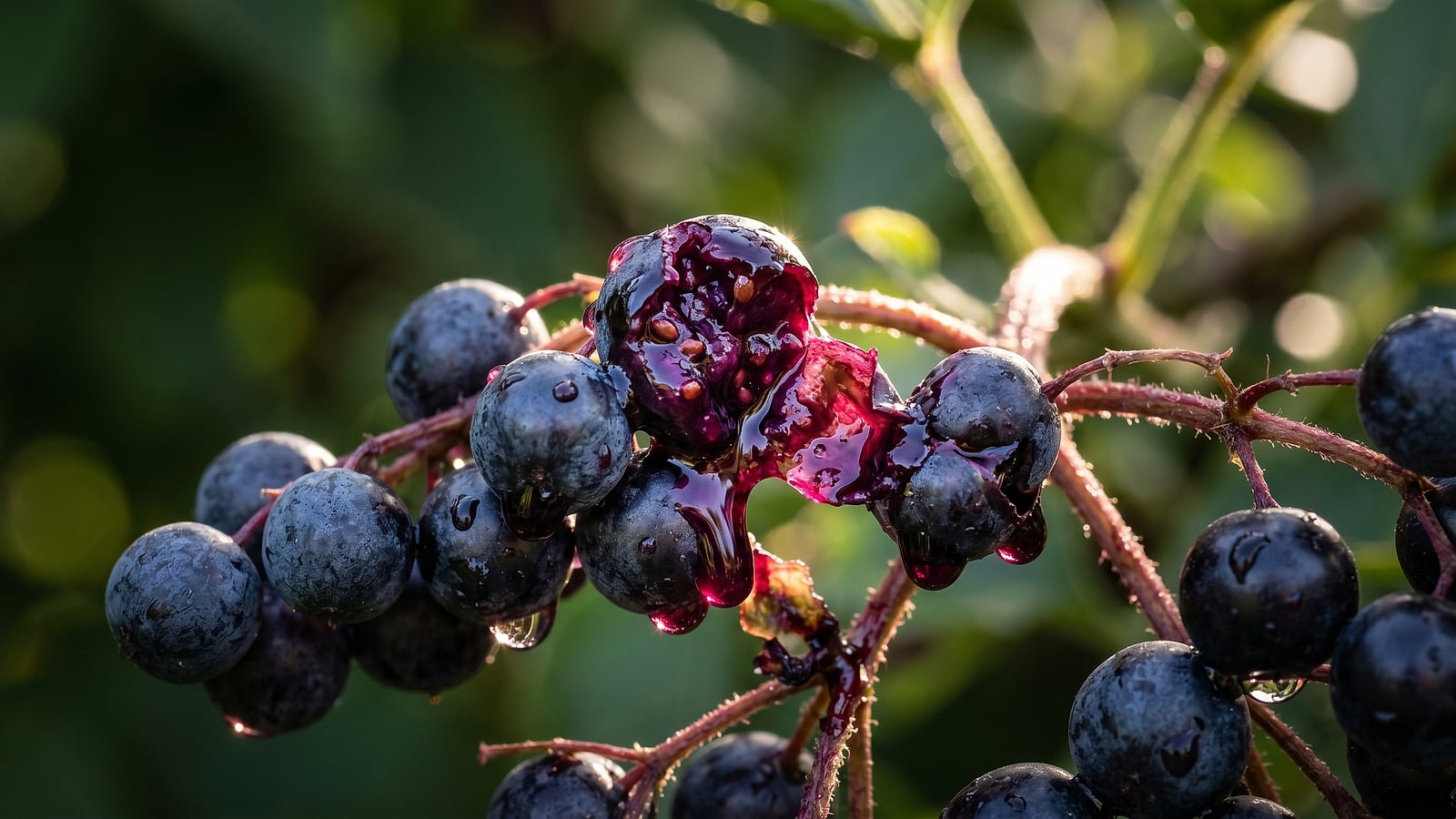
- Never eat it raw. This is important: raw elderberries, leaves, bark and unripe fruit are toxic and cause nausea and vomiting. Only ever use properly prepared, commercial elderberry products — never forage and eat them raw.
How to know if it’s helping you
Be your own honest judge. If you take a quality elderberry product early in a cold and your symptoms feel milder or shorter than your usual colds, it may be doing something for you — keep it as a comfort tool. If you notice nothing across a couple of colds, don’t keep buying it out of faith; the evidence says it helps some people with cold symptoms, not everyone, and not the flu. There’s no shame in concluding it’s not your remedy.
The honest cautions
Talk to your doctor first if you’re pregnant or breastfeeding, if you have an autoimmune condition (elderberry stimulates immune activity, which may not be appropriate for everyone), or if you take immune-suppressing medication. And the firmest rule: if you have a high fever, trouble breathing, chest pain, or symptoms that are severe or worsening — especially with flu — that is a reason to see a doctor, not to reach for a berry syrup.
Where this leaves you
Realistically: elderberry is a legitimate, antioxidant-rich plant that genuinely seems to ease common-cold symptoms for many people — and is wildly oversold as a flu cure it hasn’t earned in the best trials. Picture the next cold: a quality elderberry syrup at the first sniffle as a comfort measure, sure — but your real defenses are still rest, fluids, sleep, and a doctor when it’s the flu or worse. Buy it for what it does. Ignore the $100-million promise it doesn’t.
Frequently Asked Questions
Does elderberry actually work for colds and flu?
It’s mixed. A meta-analysis found elderberry substantially reduced upper-respiratory (cold) symptoms [PMID: 30670267], but a rigorous trial found no benefit against actual influenza [PMID: 32929634]. So: a promising helper for common-cold symptoms, not a proven flu treatment.
When should I take elderberry?
At the very first sign of a cold, using a real standardized syrup or lozenge (not a sugary gummy with a token amount). Pair it with rest and fluids — those do the heavy lifting.
Is elderberry safe?
Prepared commercial products are generally safe for most people, but never eat raw elderberries, leaves or bark — they’re toxic. Talk to your doctor first if you’re pregnant, breastfeeding, have an autoimmune condition, or take immune-suppressing medication.
Can elderberry replace a flu shot?
No. The best trial found no benefit against influenza, and elderberry is not a substitute for vaccination, antiviral medication, or medical care. Treat it as a comfort measure for cold symptoms only.
Verified Sources
- Black elderberry (Sambucus nigra) supplementation effectively treats upper respiratory symptoms: A meta-analysis of randomized, controlled clinical trials. — Complementary Therapies in Medicine, 2019 (PMID 30670267)
- Elderberry Extract Outpatient Influenza Treatment for Emergency Room Patients Ages 5 and Above: a Randomized, Double-Blind, Placebo-Controlled Trial. — Journal of General Internal Medicine, 2020 (PMID 32929634)
- Elderberry (Sambucus nigra L.): Bioactive Compounds, Health Functions, and Applications. — Journal of Agricultural and Food Chemistry, 2022 (PMID 35348337)
Still bloated, tired and fighting cravings? It’s probably not your willpower — it’s your gut.
Get The Gut Reset free: the simple, science-backed steps to feel lighter, clearer and more energized — starting in days, not months. Enter your email and we’ll send it right now.
No spam. Unsubscribe anytime. Educational content, not medical advice.
professional before changing your diet, supplements, or treatment. These statements have not been
evaluated by the Food and Drug Administration and are not intended to diagnose, treat, cure, or prevent any disease.