Almost nobody knows creatine isn’t just for muscle — new trials show it sharpens a sleep-deprived brain in a single dose
You probably associate creatine with heavy dumbbells, sweaty locker rooms, and twenty-something gym bros trying to build massive biceps. That narrow view is completely outdated.
Recent clinical research reveals that this humble amino-acid derivative supports the central nervous system as an emergency power reserve. In fact, if you are running on four hours of sleep, a single target dose of creatine may help restore executive function and processing speed. By the end of this guide, you will know the exact single-dose rescue protocol to revive a foggy, exhausted brain without touching another cup of coffee.
Why This Matters Today
We are living through an undeclared sleep epidemic. Over 30% of adults regularly sleep less than seven hours a night, leading to a cognitive tax we pay every single morning in the form of brain fog, forgotten keys, and sluggish decision-making. Caffeine is the standard band-aid, but it merely masks fatigue by blocking adenosine receptors. It does not actually replenish the cellular energy your neurons depleted during that late-night work session.
This is where creatine monohydrate steps in. It is not just about physical performance anymore. One narrative review (PMID 11356982) reported that oral creatine supplementation is associated with elevated cerebral stores of creatine and phosphocreatine. [PMID: 11356982] For aging brains, this is a massive deal. After age forty, our natural cellular energy production begins to slow, making us highly vulnerable to sleep-deprivation slumps. Instead of relying on a third afternoon espresso that will only ruin tonight’s rest, we need a way to directly reload the brain’s cellular battery. Let us look at the molecular machinery that makes this happen.

The Science Behind It
Your brain is an energy hog. While it accounts for only 2% of your body weight, it devours a staggering 20% of your daily calorie intake. To think, focus, and remember, your neurons rely on a continuous supply of adenosine triphosphate, or ATP. When you are awake and working, neurons burn through ATP, stripping away a phosphate group to turn it into ADP, an empty energy molecule. To keep thinking clearly, your brain must rebuild ADP back into ATP instantly.
Under normal conditions, your mitochondria handle this recycling process just fine. But when you are sleep-deprived, this delicate recycling system lags. Your brain’s local ATP levels drop, leading directly to that familiar, heavy mental fatigue that hits around 2:00 PM.
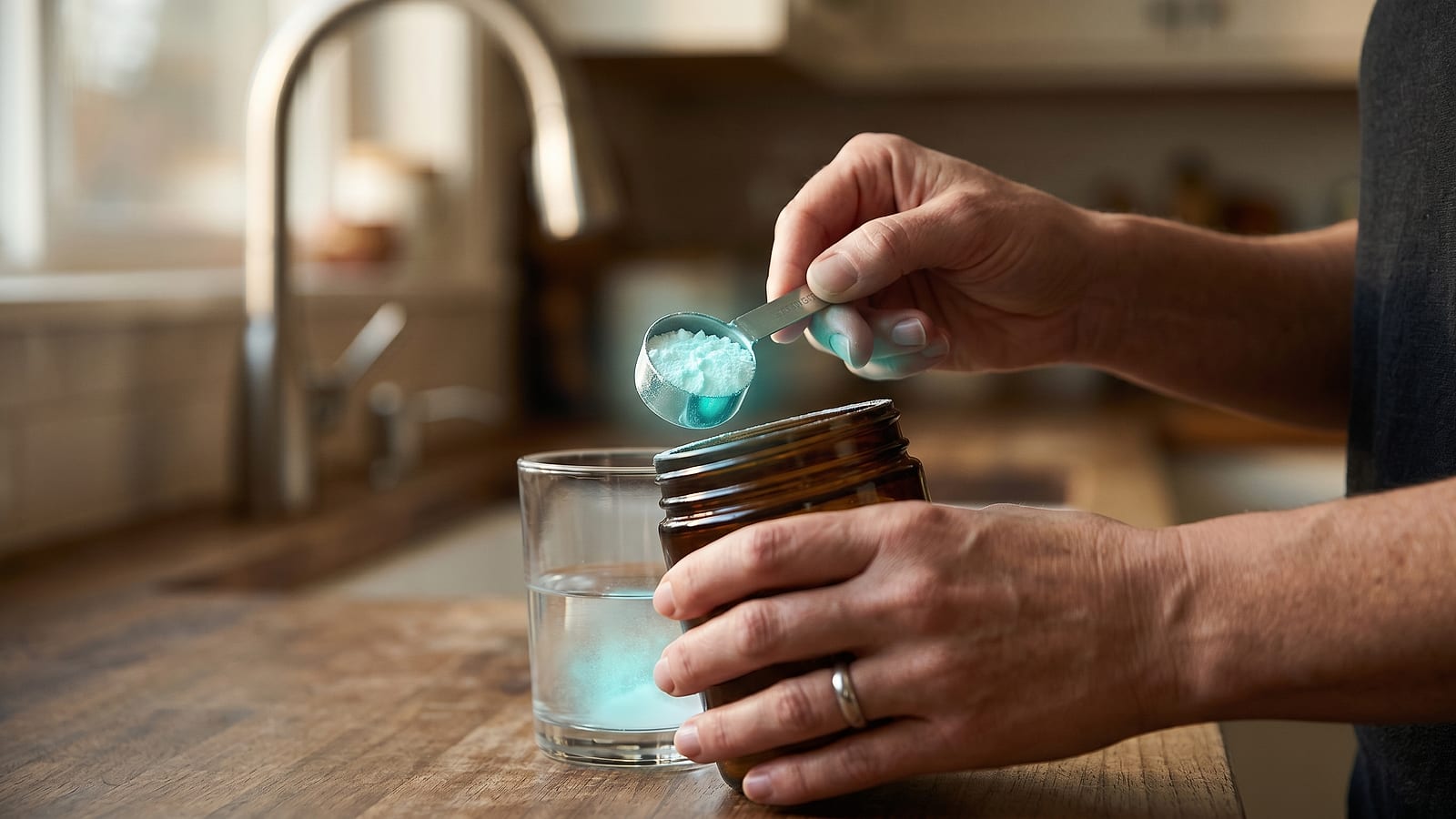
This is where creatine acts as an elite biological backup system. Once inside the skull, creatine binds with phosphate to form phosphocreatine. When your neurons are gasping for energy during sleep deprivation, this compound steps up, donating its phosphate group directly to ADP to regenerate ATP in microseconds. A 2024 clinical trial found that a single high-dose administration of creatine (0.35 g/kg) partially reversed fatigue-related cognitive deterioration and metabolic alterations during acute sleep deprivation, with associated changes in cerebral high-energy phosphate markers including PCr/Pi and ATP [PMID: 38418482].
The benefits extend beyond acute, sleepless emergencies. In a landmark double-blind, placebo-controlled crossover study, researchers gave healthy adults creatine monohydrate daily. A double-blind, placebo-controlled crossover trial (n=45 young adult vegetarians) found that creatine supplementation (5 g/day for six weeks) produced significant improvements in working memory (backward digit span) and intelligence test scores (Raven’s Advanced Progressive Matrices) compared to placebo. [PMID: 14561278] It is not a stimulant. It is raw, biochemical fuel that bypasses the jittery nervous system pathways entirely.
The Complete Protocol
Start with the food source
To get creatine from your diet, look to wild-caught herring and grass-fed beef. Consuming 250 grams of herring or 300 grams of beef provides roughly 1.5 to 2 grams of natural creatine. For optimal absorption, lightly sear your meat rather than overcooking it, as intense heat degrades the creatine molecule. Eat this meal early in the day, preferably alongside a small portion of easily digestible carbohydrates to trigger an insulin spike, which helps shuttle the creatine into your tissues.
Move to the concentrated natural form
While food is a great foundation, you cannot eat two pounds of beef a day to rescue a sleep-deprived brain. For therapeutic cognitive effects, you need pure, micronized creatine monohydrate powder. Look for a product that is 100% pure with no added sweeteners, colors, or chemical fillers.
Optional: the supplement form
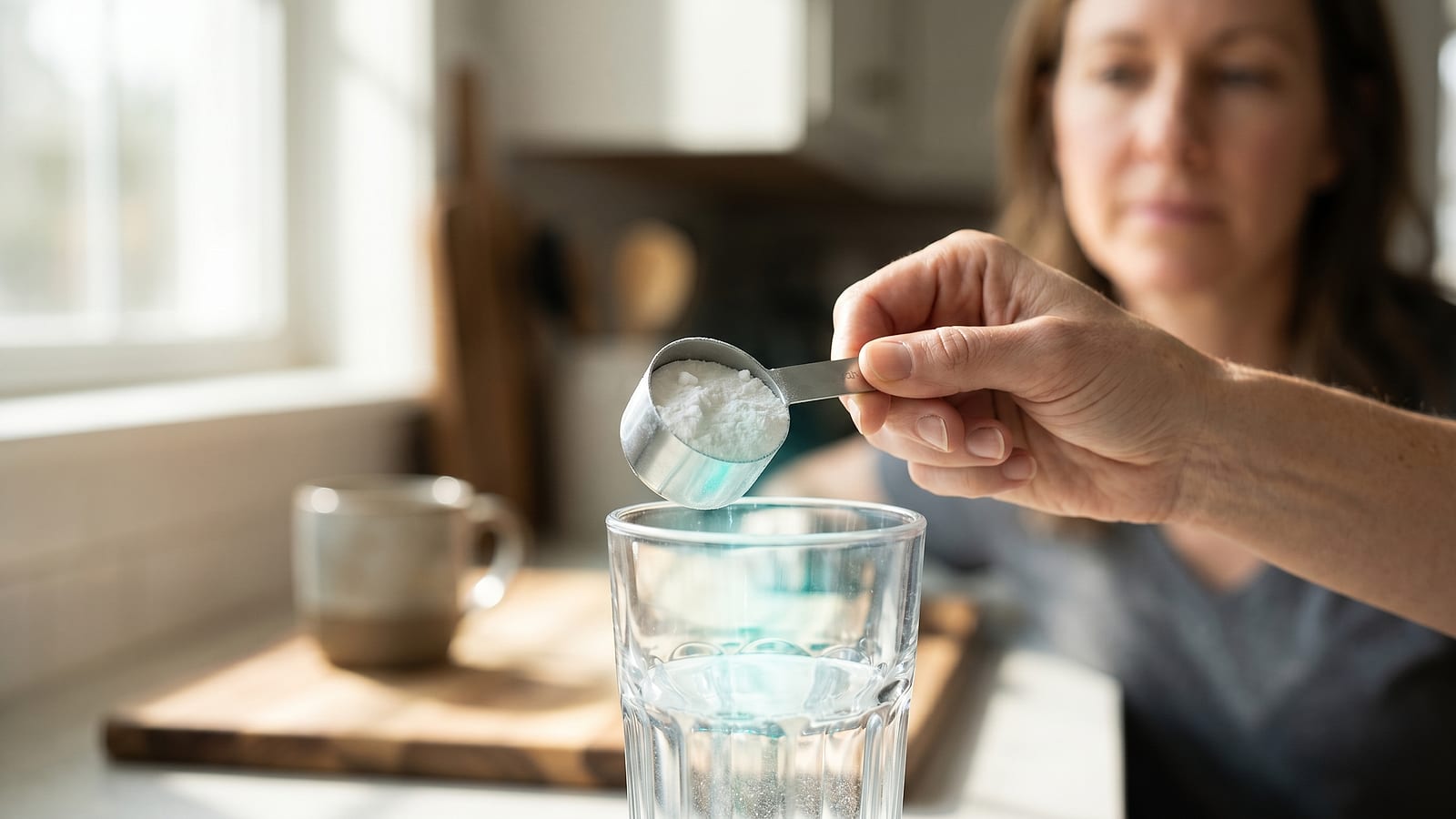
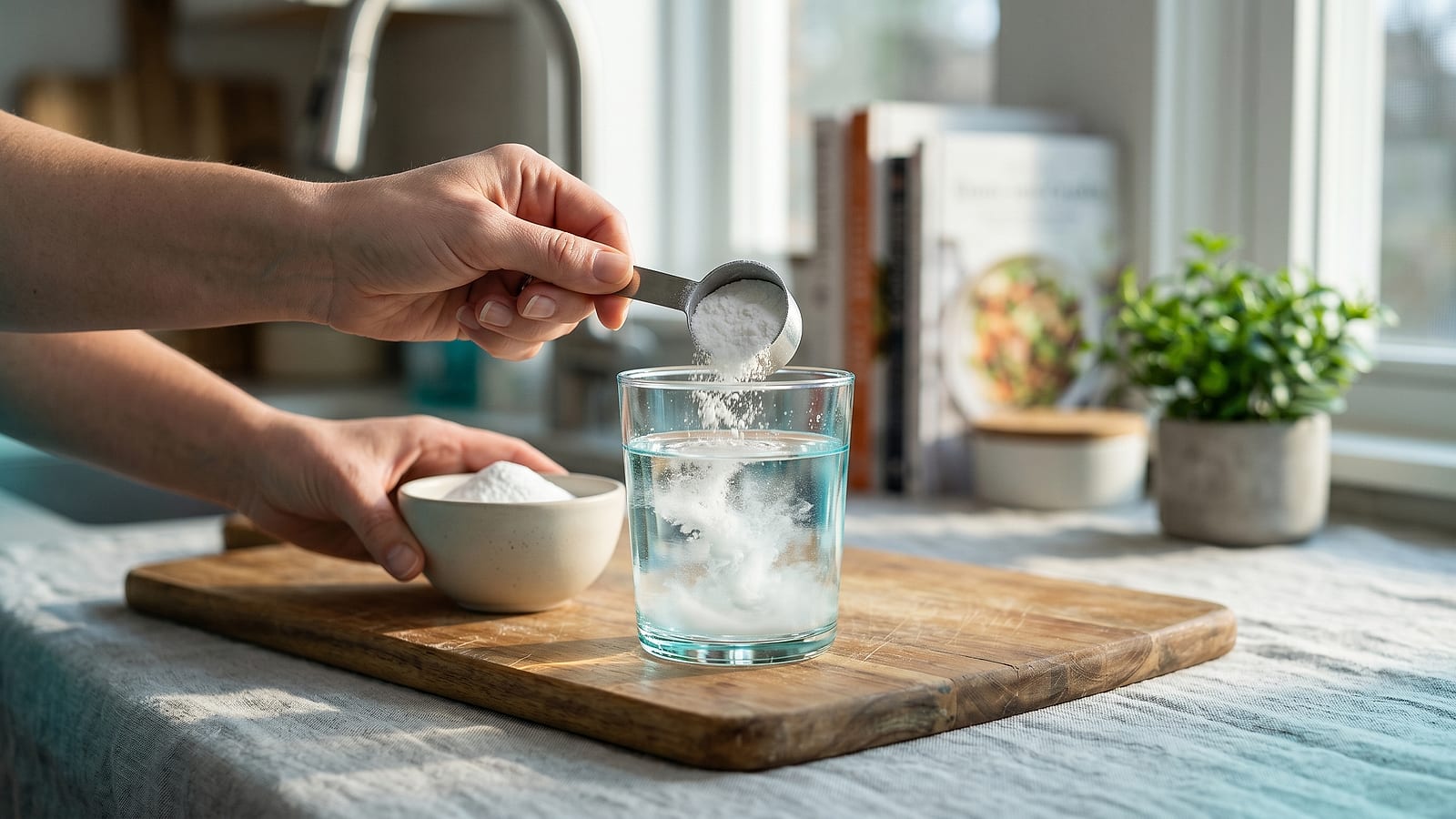
For the acute cognitive rescue protocol, dissolve 5 grams of micronized creatine monohydrate in 12 ounces of lukewarm water. Drink this within 30 minutes of waking on an empty stomach. If you are doing a standard daily maintenance protocol to support long-term brain health and offset age-related decline, take 3 to 5 grams daily at the exact same time every morning for 4 weeks, then reassess.
When NOT to do this
Do not use this protocol if you have diagnosed stage 3 or higher chronic kidney disease. A 2025 systematic review and meta-analysis found that creatine supplementation is associated with a small but statistically significant increase in serum creatinine levels (MD: 0.07 µmol/L), with no significant change in GFR, suggesting kidney function is preserved; however, the rise in serum creatinine was not consistently transient across all follow-up durations, and the study did not assess whether elevated creatinine levels interfere with clinical blood test interpretation. [PMID: 41199218] Always pause supplementation 7 days before any blood work to ensure accurate kidney function readings.
Pro tip: Mix your creatine with warm water instead of cold; it dissolves completely, preventing the gritty residue that causes mild stomach cramping in sensitive individuals.
Frequently Asked Questions
Can I combine this with my morning coffee?
Yes, you can. While some old athletic studies suggested caffeine might slightly limit muscle uptake of creatine, recent research shows no negative impact on cognitive benefits. In fact, combining creatine with your morning cup can provide a synergistic effect—caffeine sharpens immediate alertness while creatine restores cellular energy reserves. Just make sure to drink extra water, as both can be mildly dehydrating.
What if I miss day 3 of the protocol—do I need to restart?
No, do not restart. Creatine works by gradually building up in your tissues over time. If you miss a day, simply resume your normal 5-gram dose the following morning. Do not double the dose to compensate, as excess creatine will simply be excreted in your urine and may cause mild digestive discomfort.
How does this compare to mainstream nootropics like L-theanine?
Most popular nootropics act as modulators of neurotransmitters like dopamine or GABA, altering your mood or focus temporarily. Creatine is entirely different. It acts as direct cellular fuel, restoring actual energy levels (ATP) in the brain. Think of L-theanine as adjusting the dials on your car’s dashboard, while creatine is physically refilling the gas tank.
Why does the timeline say week 2 if the acute sleep study worked in a single dose?
One trial found that a high single oral dose of creatine monohydrate (0.35 g/kg) during approximately 21 hours of sleep deprivation induced changes in brain energy metabolites (PCr/Pi, ATP, pH) and partially improved cognitive performance and processing speed, suggesting it may partially reverse metabolic and cognitive deterioration caused by sleep deprivation. [PMID: 38418482] However, to see permanent improvements in everyday memory, processing speed, and age-related cognitive decline, you need consistent daily dosing for at least 2 weeks to saturate your brain’s baseline creatine stores [PMID: 11356982].
Is the supplement form necessary if I eat grass-fed beef daily?
Yes, realistically it is. To achieve the brain-saturating levels used in clinical trials, you would need to consume about one kilogram of raw beef daily. This is not only impractical but also incredibly hard on your digestive system. Supplementing with pure monohydrate is a cleaner, safer, and far more efficient way to achieve cognitive results without the excess caloric load.
Verified Sources
- Single dose creatine improves cognitive performance and induces changes in cerebral high energy phosphates during sleep deprivation. — Scientific reports, 2024 (PMID 38418482)
- The Paradoxical Effect of Creatine Monohydrate on Muscle Damage Markers: A Systematic Review and Meta-Analysis. — Sports medicine (Auckland, N.Z.), 2022 (PMID 35218552)
- Oral creatine monohydrate supplementation improves brain performance: a double-blind, placebo-controlled, cross-over trial. — Proceedings. Biological sciences, 2003 (PMID 14561278)
- Clinical pharmacology of the dietary supplement creatine monohydrate. — Pharmacological reviews, 2001 (PMID 11356982)
- Effect of creatine supplementation on kidney function: a systematic review and meta-analysis. — BMC nephrology, 2025 (PMID 41199218)
Bloated, tired, foggy, or fighting cravings?
Get The Gut Reset free — a science-backed guide to go from “off” to clear, light and energized. Drop your email and we’ll send it straight to your inbox.
No spam. Unsubscribe anytime. Educational content, not medical advice.